


Accutree LLC
Tree RemovalTree TrimmingTree Removal - For Business+3 more
Serving Valmeyer, IL and surrounding areas
Approved
In business since 2009
Credit card accepted
"Their service could not be better"
111 neighbors recently requested a quote
 4.5
 169
*The Angi rating for Tree Service companies in Valmeyer, IL is a rating based on verified reviews from our community of homeowners who have used these pros to meet their Tree Service needs.
*The HomeAdvisor rating for Tree Service companies in Valmeyer, IL is a rating based on verified reviews from our community of homeowners who have used these pros to meet their Tree Service needs.
Last update on March 20, 2026
Serving Valmeyer, IL and surrounding areas
Approved
In business since 2009
Credit card accepted
"Their service could not be better"
Serving Valmeyer, IL and surrounding areas
Approved
Looking for tree service work small jobs for start look to expand quickly \n
Serving Valmeyer, IL and surrounding areas
Approved
Free estimates
We specialize in professional landscaping and concrete services designed to enhance the beauty, function, and value of your property. From custom landscape design and installation to patios, walkways, driveways, and other concrete work, we take pride in delivering durable, high-quality results.
Serving Valmeyer, IL and surrounding areas
Approved
Will get the job done as safely and efficiently as possible.
Serving Valmeyer, IL and surrounding areas
Approved
Free estimates
Emergency services offered
Warranties offered
Hi, we are a small family business we do landscape and lawn care located in ballwin , Missouri. We will be happy to help you with your landscape project And take care of your lawn .
Serving Valmeyer, IL and surrounding areas
Approved
Hello, my name isn’t a Mike. I have been in the trade on and off since I was 17 doing various projects expanding from general lawn service, hardscape ( decorative block and walls), handyman services and other general handyman jobs. I have serviced the St. Louis and Jefferson county surrounding areas. I take pride in what I do with major attention to detail. I would love to take care of any project that you would need.
Serving Valmeyer, IL and surrounding areas
Approved
Free estimates
Small jobs welcome
Offers commercial services
After 30 years together, my wife and I bought our pickup and I am now looking to supplement my income by putting my pickup truck to work for me. Whether moving appliances or delivering purchases, I've got the tool for the job.
Serving Valmeyer, IL and surrounding areas
Approved
Free estimates
Emergency services offered
Warranties offered
Small local family own business, gutter repair and full replacement, roof repair and full replacement, Siding repair and full replacement 636 208 6462
Serving Valmeyer, IL and surrounding areas
Approved
Hello here@On Tyme Junk Removal we’re here to serve all your needs to having a clutter and Junk free environment.No job too big or small give On Tyme Junk Removal a call..,
Serving Valmeyer, IL and surrounding areas
Approved
The Community Builder LLC. We appreciate the opportunity to provide effective and precise services. This company keeps the cost down with quality work. We love to build with the sense of community!!!!
From average costs to expert advice, get all the answers you need to get your job done.
The most significant factor in tree removal costs is the amount of debris. Read on to learn more about the average tree debris removal costs in St. Louis, MO.

Discover what average tree removal costs in St Louis, MO based on different factors to know how much it will cost to take care of a dead or troublesome tree on your property.

Discover average tree trimming costs in St. Louis, MO, key price factors, and tips to save. Get expert insights to plan your tree care budget with confidence.

Don’t get ripped off when hiring a professional tree service to remove trees. Make sure you watch for these scams that occur much too often.
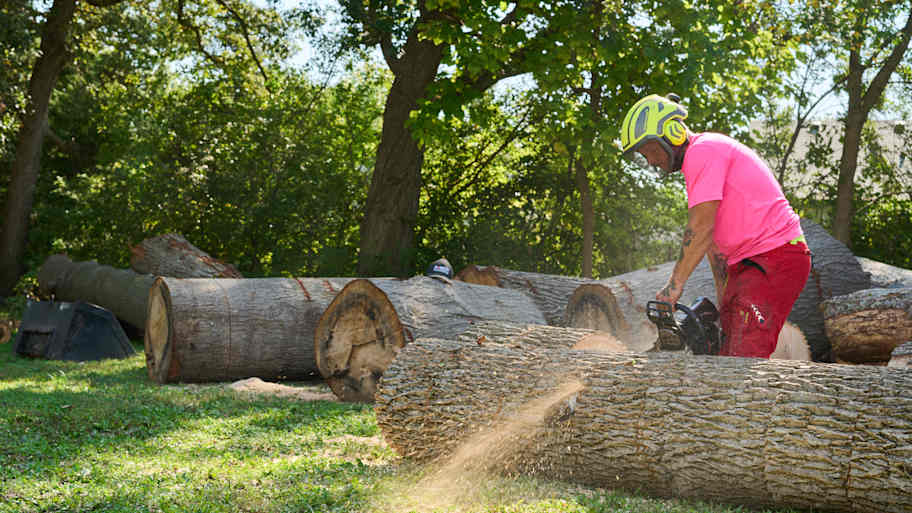
Follow these tips to learn how to find a good tree removal service. Doing a little research can help you save time and money when you need to say goodbye to your trees.
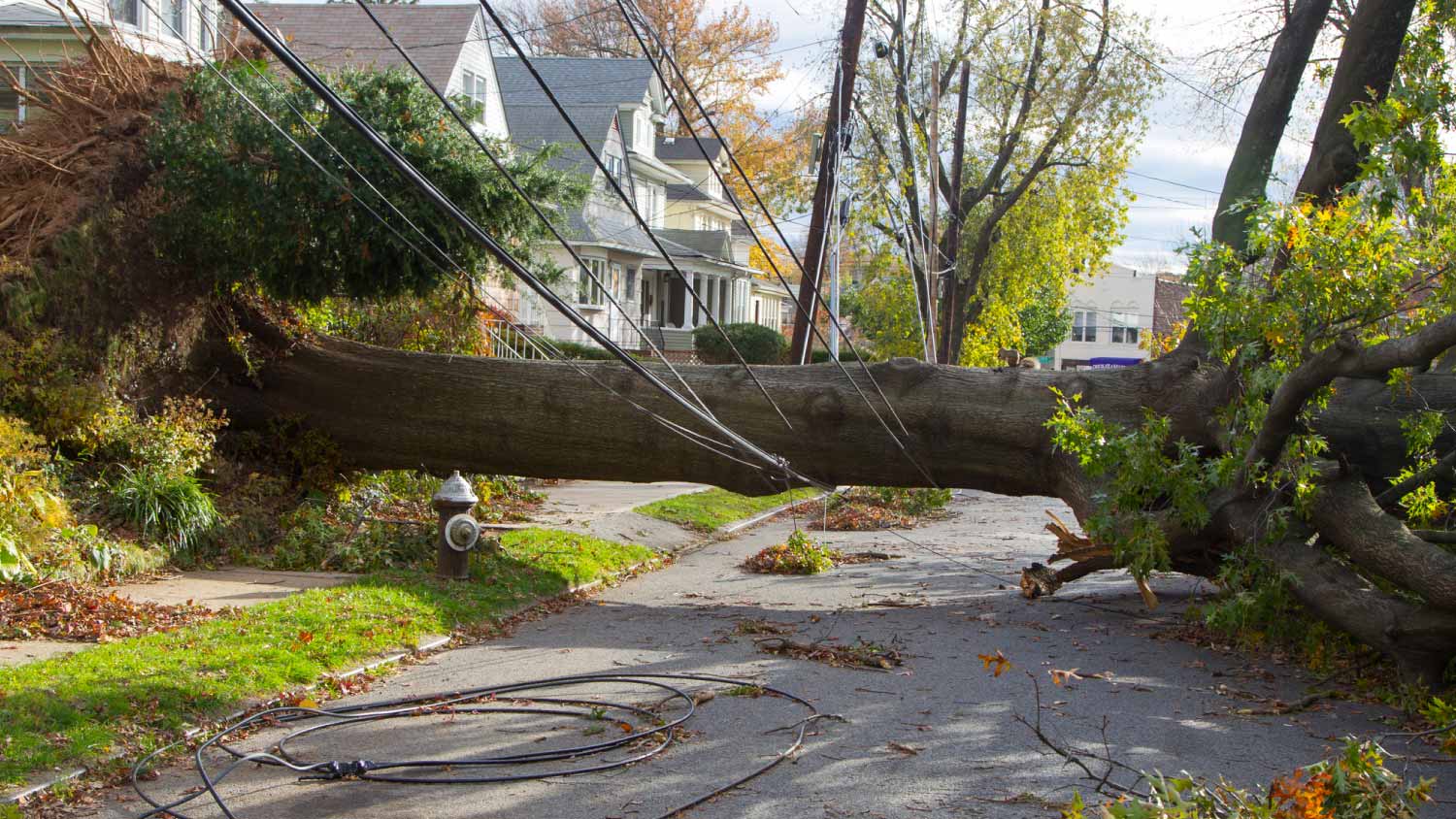
Wondering who to call when a tree falls in the road? The answer varies for public and private roads—find out more with this guide.