

Top-rated tree service pros.

Get matched with top tree service pros in Stone Park, IL

Enter your zip and get matched with up to 5 pros

Need a pro for your tree service project in Stone Park, IL?

Select your specific project to find the pro for you.

TRUSTED BY STONE PARK, IL HOMEOWNERS

  • Average homeowner rating star icon4.4
    Average homeowner rating
  • Verified reviews icon379
    Verified tree services reviews

Find Tree service pros in Stone Park

All Service Calls, LLC
4.5(
41
)

Serving Stone Park, IL and surrounding areas

Approved

In business since 2003

Free estimates

Emergency services offered

"ALL SERVICE CALLS exceeded our expectations & provided excellent & prompt work at our home. From the timely, prompt & fair estimate to setting an appointment within 2 days, we were pleased with their labor. The team arrived on Thursday early & completed the work of clearing our trees & overgrowth within 4 hours. They also hauled away the debris. I plan to hire them again as for a few other projects as trees/landscaping is just one aspect of what they do. SIMPLY AWESOME. HIGHLY RECOMMEND ALL SERVICE CALLS LLC."
Response time3 hrs
Response rate99%
7 neighbors recently requested a quote
Avatar for Chicago Service Source, Inc.
Chicago Service Source, Inc.
4.2(
19
)

Serving Stone Park, IL and surrounding areas

Approved

In business since 1987

Free estimates

Emergency services offered

"Very professional. Samantha and team has been doing snow removal and landscape services for us a few years. They are responsive and reliable."
Colored and stamped concrete with antiquing color release. Stamp is vintage wood plank pattern.
CSSI staff sealcoating parking lot
Urban Oasis
Install of Stamped and Stained Concrete
New Construction Concrete Service

+66

Response time2 days
1 neighbors recently requested a quote
Recommended by75%of homeowners
...
Showing 1-10 of 185
Tree Service questions, answered by experts

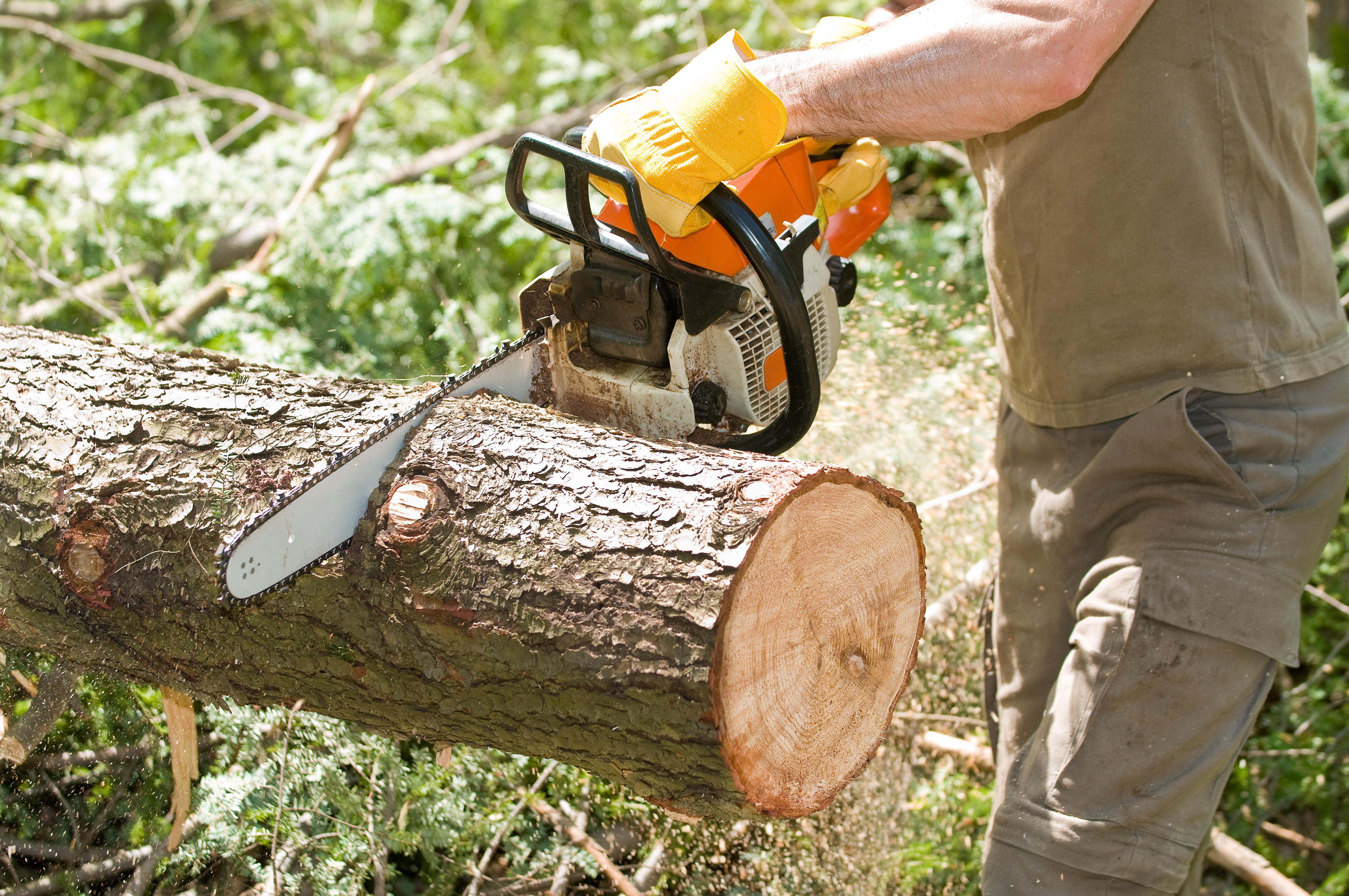
The best tools for tree removal include a chainsaw for large trees, an ax for notching and cutting down small trees, and a wedge to help control the direction a tree falls in. A hatchet can be useful for very small trees, but won’t be effective for medium to large trees. 

Deciduous shade trees (the type of trees whose leaves fall off in autumn) need to be pruned in late winter—between February and March. That’s because it’s easier to find and remove sick or dead branches when no leaves are present. And wounds close and heal faster in colder temperatures so pruning them at this time also makes them less prone to infection.

You’ll have to balance up the cost, the value of the tree (sentimental or otherwise), and the risk factors. An experienced arborist will help you understand whether transplanting is likely to be successful. The cost and hassle of transplanting a large, well-established tree are often not worth it, especially if the species is fast-growing and easy to source. The decision depends on the age and species of the tree, the conditions in the new site location, and how careful the company is when digging out and moving the tree.

Homeowners are usually not responsible for trees that fall on power lines. Power companies usually have utility easements around power lines, which give them the responsibility to maintain any trees within about 15 to 20 feet of the lines.

Dead tree branches should be removed, because they can cause the tree to lose nutrients. They can also make the tree more susceptible to disease and pests. Removing dead and diseased branches can help the tree recover and increase the odds of saving a dying tree. Make sure to prune the tree correctly to avoid damaging it further.