

Top-rated tree service pros.

Get matched with top tree service pros in North Riverside, IL

Enter your zip and get matched with up to 5 pros

Need a pro for your tree service project in North Riverside, IL?

Select your specific project to find the pro for you.

TRUSTED BY NORTH RIVERSIDE, IL HOMEOWNERS

  • Average homeowner rating star icon4.6
    Average homeowner rating
  • Verified reviews icon510
    Verified tree services reviews

Find Tree service pros in North Riverside

Cardona Tree Service
4.9(
77
)
Tree TrimmingTree RemovalTree Removal - For Business+1 more

Serving North Riverside, IL and surrounding areas

Approved

Super Service Award Winner

In business since 2009

Free estimates

Offers commercial services

"Cardona Tree Service did an excellent job removing a huge dying tree for me. They cut the tree, ground the stump and hauled every thing off. They did a great job of cleaning up after they were done. I would definitely recommend them to anyone needing tree service. Larry M."
Response time7 hrs
Response rate97%
13 neighbors recently requested a quote
Avatar for SavATree - Warrenville
SavATree - Warrenville
3.4(
22
)
Tree RemovalTree TrimmingTrees & Shrubs - Treat, Protect and Maintain

Serving North Riverside, IL and surrounding areas

Approved

In business since 1985

Free estimates

Emergency services offered

"Brian, the SavAtree rep., was most efficient and professional..He and the crew did an excellent job of removing a very large maple tree, along with removing its stump. They were hardworking and very capable. We would highly recommend SavAtree to anyone in need of their services."
Recommended by78%of homeowners
...
Showing 1-10 of 197
Tree Service questions, answered by experts

In general, trees should be planted no closer than 15 to 20 feet from your foundation. For larger trees with far-reaching roots like maples, oaks, or poplars, a good guide is to plant as many feet from your home as the tree’s height is expected to reach at maturity. Some trees, like elms and willows, should only be planted far from where their roots may encounter sewer or water lines.

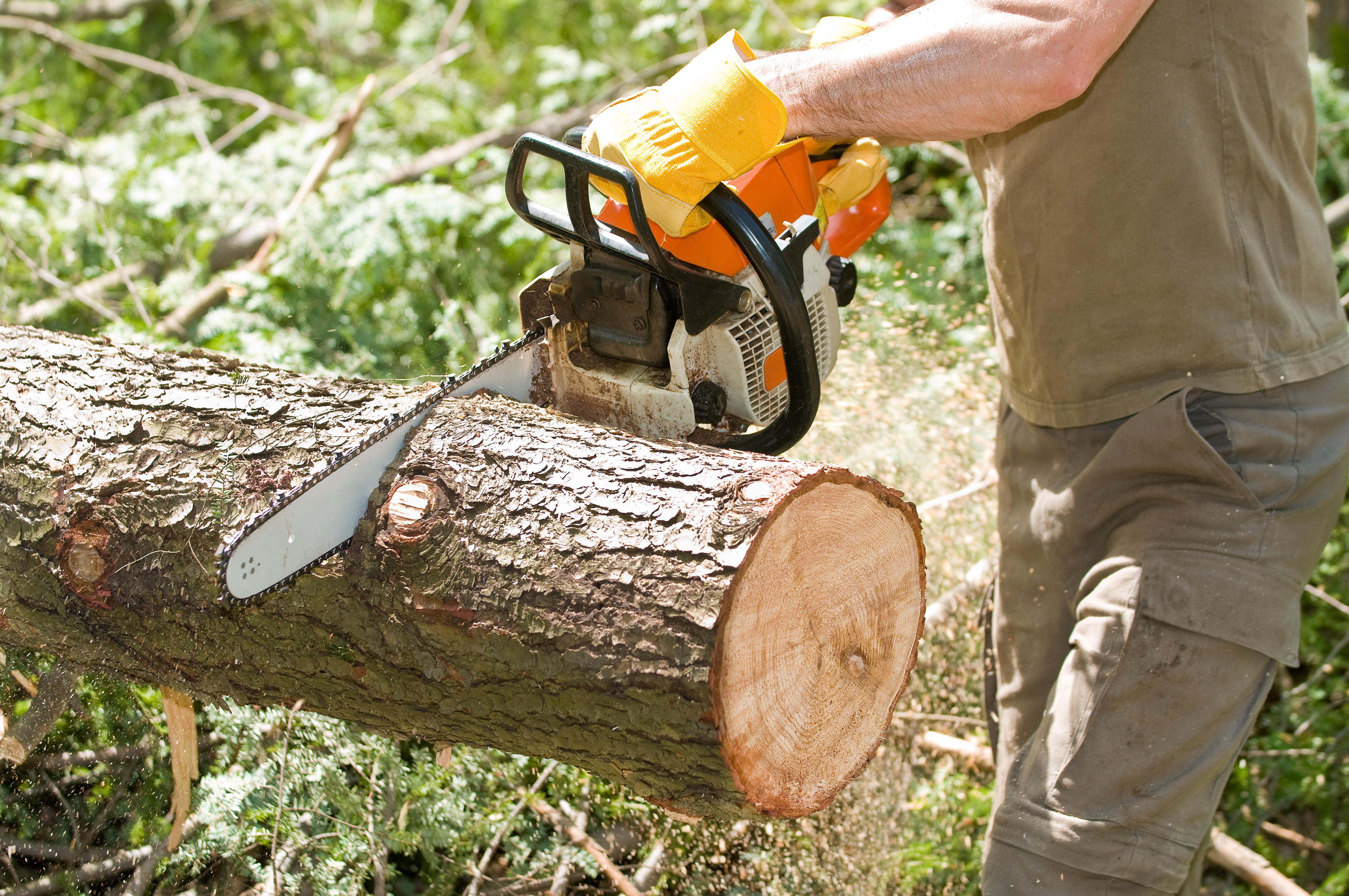
A chainsaw is the best tool to cut down a tree, but you may also use a handsaw or ax. You may also want to use a lopper or pole saw to remove limbs before cutting down the tree. Wear chainsaw chaps and protective gear, including eyewear and earplugs if you use a chainsaw. Again, if you’re unsure about how to use this tool, this project may be one to skip.

It depends. Smaller, younger trees take longer to mature, but they're more resilient, their roots don't get as damaged during transplanting, and they recover faster. Plus, they're much more affordable to plant, and it's possible to DIY the planting. 

On the other hand, mature trees produce fruit faster and provide more shade and privacy immediately. Ideally, a small or medium tree is the better choice if you can wait a few years for it to mature. But if you need immediate maturity, a larger tree is the only option.

Trees aren't big fans of moving, and they do go into shock during a transplant. Although most carefully thought-out tree transplants see the tree recover from the shock just fine, there is always a risk of having an unsuccessful move. Proper preparation, timing, and diligent aftercare are crucial to minimize the risks when transplanting a tree.

Bradford pear trees bloom in early spring with small white flowers. They typically flower for at least two weeks. In bloom, these trees often emit a foul-smelling odor that’s often compared to rotting fish. Bradford pear trees will sometimes bloom in the fall due to drought or other stress-inducing conditions. 

The North Riverside, IL homeowners’ guide to tree services

From average costs to expert advice, get all the answers you need to get your job done.