






Top-rated sump pump installation pros.

Get matched with top sump pump installation pros in Shiloh, IL

Enter your zip and get matched with up to 5 pros

Need a pro for your sump pump installation project in Shiloh, IL?

Select your specific project to find the pro for you.

TRUSTED BY SHILOH, IL HOMEOWNERS

  • Average homeowner rating star icon4.2
    Average homeowner rating
  • Verified reviews icon857
    Verified sump pump installation services reviews

Find Sump pump installation pros in Shiloh

Avatar for General Installation Systems
General Installation Systems
5.0(
2
)
Sump Pump - Repair or ReplaceSump Pump or Interior Foundation Drains - Install

Serving Shiloh, IL and surrounding areas

Approved

In business since 2020

Free estimates

"They did a really good job waterproofing my basement. The crew was professional, arrived on time, and explained the entire process before getting started, and completed the job with great attention to detail. It's clear they take pride in their work. I'd definitely recommend them if you need your basement waterproofed."
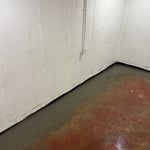
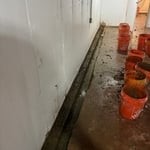
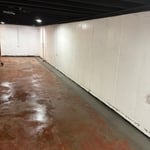
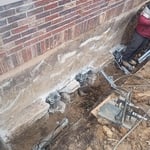
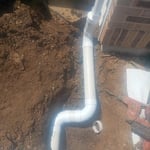
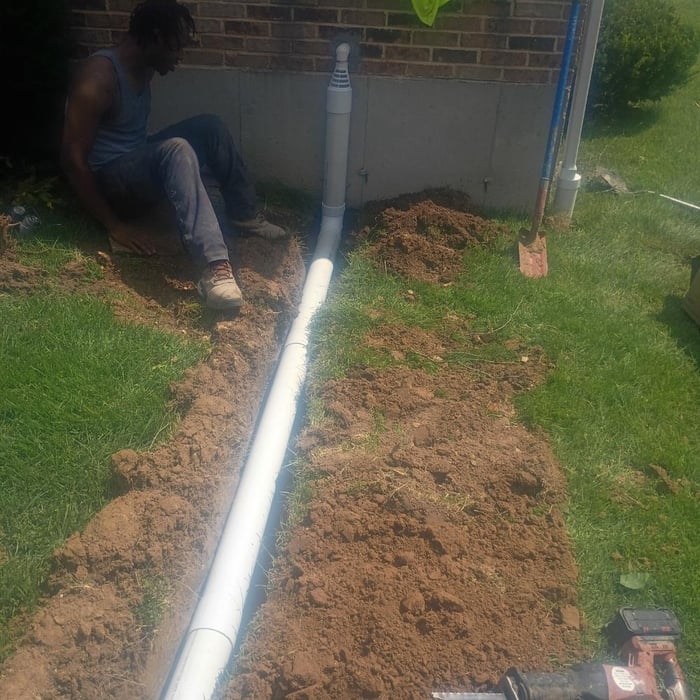
Concrete finished
Concrete finished
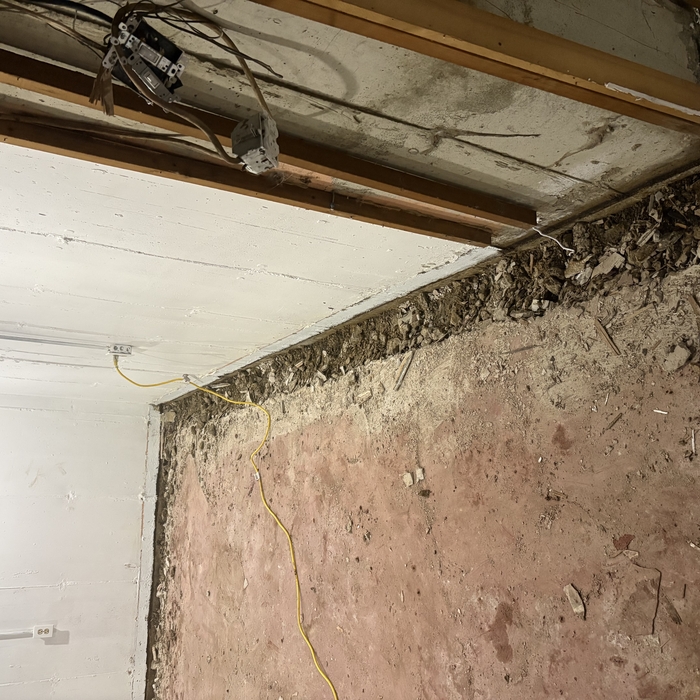
Concrete break out
Concrete finished
During breakout

+6

7 neighbors recently requested a quote
...
Showing 1-10 of 87
Sump Pump Installation questions, answered by experts

Every three to four months, you should clean any dirt and debris off of your sump pump. You should also check the inlet screen (at the bottom of the pump) to make sure that it isn’t blocked. On top of that, you should deep clean your sump pump once per year—or hire a sump pump pro to do it for you.

One common reason a sump pump stops working is improper sizing. Different locations need different sizes and power ratings of sump pumps depending on the typical amount of water the pump needs to manage. If your sump pump is too small for the quantity of water, it can overwork and either burn out or reduce the life of the unit. If the pump is too big, it can overwork and burn out early. 

Installing a battery backup for your sump pump is recommended, particularly if you live in an area with frequent power outages or severe rainstorms. A sump pump requires electricity to function, and a battery backup ensures it can continue to move water out of your home if the power goes out, providing crucial protection against flooding. Additionally, frequent power outages can create electrical surges that might damage the sump pump's motor. A battery backup system offers an additional layer of protection, ensuring your basement stays dry.

To test for toilet leaks, use water coloring in the water tank and see if the water slips into the bowl from the tank. This test will indicate if there’s a problem with the flapper or refill tube. You can also put water coloring in the bowl of the toilet to see if there is a leak there. If there is, you should see the colored water on the outside of the toilet bowl or on the floor. 

A small sump pump running infrequently uses an average of 10 kilowatt-hours (kWh) of electricity per month. The average cost for electricity is $0.171 per kWh. The size and use frequency affect how much electricity it uses. Sump pumps average one-third to one horsepower (hp) motors. One hp is equal to 745.7 watts. Watts multiplied by the time your pump is running divided by 1,000 equals your average kWh. Multiply kWh by your average cost of electricity. In areas with high rain or a marsh basin, the average cost can be as high as $15-$25 a month.

The Shiloh, IL homeowners’ guide to sump pump installation services

From average costs to expert advice, get all the answers you need to get your job done.