

•
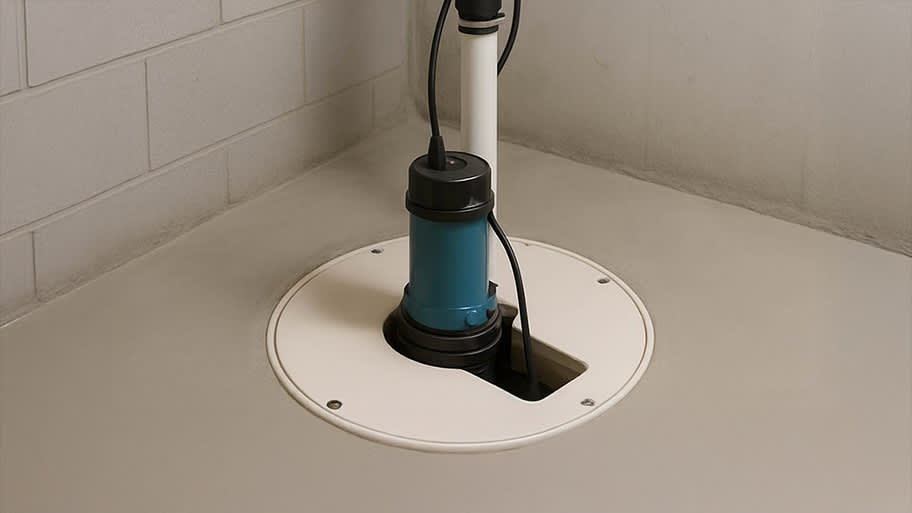
Discover how much sump pump installation costs, including average prices, key cost factors, and tips to save on your basement waterproofing project.
Basement waterproofing costs depend on your project and location. Check with a local pro for your specific job.

Professional sump pump replacement costs $309 to $755 for your project, depending on unit price and labor.
Pedestal and submersible pumps affect your total, since power, durability, and repair needs vary by type.
You should budget for emergency service fees and yearly maintenance, since inspections and cleaning can reach $250.
Hiring a local sump pump installation professional ensures correct installation and reduces your risk of basement flooding and water damage.
In 2026, the national average cost to replace a sump pump is $531, based on 5,044 verified projects reported by Angi Pros. Most homeowners pay between $309 and $755, with the spread driven primarily by the type of pump you choose, the complexity of the installation, and the contractor you hire.
When your sump pump fails, knowing what drives replacement costs helps you budget confidently and avoid surprises. Several factors influence the final price, from the type of pump you choose to the labor rates in your area. Getting familiar with these variables before you call a pro puts you in a stronger position to evaluate quotes.
Professionals charge $45 to $200 per hour to install a sump pump, making labor one of the most variable parts of your total cost. Sump pump replacements take about an hour, while new installs take two to four hours. Here is how labor costs for sump pump replacement break down by project time:
| Project Time | Average Cost in 2026 |
|---|---|
| 1 hour | $45–$200 |
| 2 hours | $90–$400 |
| 3 hours | $135–$600 |
| 4 hours | $180–$800 |

The type of pump you choose is a key cost driver: pedestal pumps run $60 to $170, while submersible pumps cost $100 to $400. Submersible models are more powerful and better suited for high-demand drainage situations. Keep in mind that submersible pumps also tend to cost more when repairs are needed down the line.

Sump pump repairs cost $400 to $550, with the final price depending on which parts need attention. Emergency service calls drive up costs, since most pros charge an extra fee for after-hours or urgent visits. Here are some common sump pump repairs:
Clogged or damaged discharge lines
Electrical malfunctions
Rusted or worn-out parts
Stuck float switch
Jammed impeller
Also, you can expect to pay up to $250 per year on maintenance costs. This includes replacing old parts, cleaning, and professional inspections.
According to data from Angi, most homeowners want to repair their sump pumps within 1 to 2 days, while others wanted the work done within 2 weeks, highlighting that most of these requests are emergencies or very urgent.
Hiring a local sump pump replacement pro may cost more upfront, but it ensures your system is installed correctly and ready to protect your home from water damage. Sump pumps are critical for basement and crawl space flood prevention, and improper installation can lead to pump failure, electrical hazards, or costly water damage. Professionals have the tools, training, and experience to replace your sump pump reliably and efficiently.
Sump pump replacement is a specialized project that involves plumbing, electrical work, and water management knowledge. Here are some of the top reasons to work with a pro:
Sump pump pros can determine the correct pump type and capacity based on your home's drainage needs.
They ensure proper installation of discharge lines, check valves, and backup systems.
Pros follow local codes and safety standards for electrical connections and pump placement.
Experienced technicians can identify related issues, such as clogged pits, faulty floats, or drainage problems.
Hiring a pro helps prevent premature pump failure and reduces the risk of basement flooding.
You shouldn't attempt to replace a sump pump yourself, but doing some prep work can help streamline the process:
Clear stored items and debris from around the sump pit and work area.
Note any warning signs, such as strange noises, frequent cycling, or visible rust, to share with the technician.
Ensure easy access to the sump pit, discharge line, and nearby electrical outlet.
If possible, document recent flooding or water issues to give the technician helpful context.
Proper preparation combined with professional replacement helps ensure your sump pump works when you need it most.
The best thing you can do to save money on a replacement is to check on and maintain your sump pump throughout the year. This way, your pump will last as long as possible. It's especially important to ensure your pump is in good working condition during storm seasons, before predicted heavy rainfalls, and before snow melts.
Here are some routine maintenance tips for taking care of your sump pump:
Check the pump's position: Vibrations can cause a sump pump to shift position, so you should periodically check to make sure that your pump is sitting upright.
Test the pump: Pour water into the pit to check that your pump is running properly. Do this several times a year.
Clean the pump: Clear away any debris and check to make sure the inlet screen (located at the bottom of the pump) isn't clogged. Do this every three to four months .
Get a filter: A filter helps keep things out of your pump, prolonging its lifespan. Using a piece of window screen can be a simple solution for keeping items from getting into the pit.
Hire a pro: Consider hiring a sump pump professional near you to perform an annual maintenance checkup. A sump pump contractor will check to make sure that the pump empties correctly and that the float is in working order.
Be ready to discuss with a pro what type of sump pump system you have, including pedestal or submersible models, as this can affect the installation process and equipment needed.
If there is room left in your budget, ask your pro about add-ons like a battery backup, alarm system, or upgraded discharge piping.
Be prepared for unexpected costs, such as electrical updates or plumbing repairs, that may be uncovered during the replacement.
Plan for access and workspace needs, ensuring the sump pit is clear and nearby power sources are available for the pro to work efficiently.
Home is the most important place on earth, which is why Angi has helped more than 150 million homeowners transform their houses into homes they adore. To help homeowners with their next project, Angi provides readers with the most accurate cost data and upholds strict editorial standards. We’ve surveyed thousands of real Angi customers about their project costs to develop the pricing data you see, so you can make the best decisions for you and your home. We pair this data with research from reputable sources, including the U.S. Bureau of Labor Statistics, academic journals, market studies, and interviews with industry experts—all to ensure our prices reflect real-world projects.
Want to help us improve our cost data? Send us a recent project quote to [email protected]. Quotes and personal information will not be shared publicly.
Finished Basements Plus was wonderful from beginning to end! First, they came out quickly for an estimate. I had 4 estimates and theirs was by far the best. (2 of the estimates were more than $20K higher than for the exact same work). Beyond their fair pricing, the work was excellent. They...
 Finished Basements Plus Inc.
Amazing job. Efficient and quick without compromising quality. Basement feels brand new. Would use them again in a heartbeat.
 AffordaPro Restoration
Window Depot did an amazing job installing the windows in my basement! The process from start to finish was by far more than what I expected. I would highly recommend Window Depot if you want professionalism from the the consultation to the installation. Dont settle for mediocre when you can...
 Window Depot USA of Central Ohio
They cleaned my very dirty basement. They were prompts, quick, thorough and their price was fair.
 JDE House Cleaning LLC
I am very pleased with the services performed by OTS. Bless my late Mother, but she was a bit of a pack-rat. The basement of her home was crammed with 40+ years of "stuff," and the other companies I contacted were concerned with possible mold contamination of the items due to the musty smell...
The company was very easy to work with. My family is now able to enjoy a space that at one point, only collected junk!!!! I feel like i have a whole new addition to the house!!! Wonderful work Blurock on our basement, will recommend!
 BluRock Services, Inc.
Excellent work. Opted for the service contract which provides spring and fall checkups and deduction on maintenance charges which seems to be a good value. Initial dehumidifier for our large basement was undersized. They replaced unit after it failed with a larger unit and charged only for...
 Total Comfort Heating & Cooling Inc
We had water in our basement and Roto Rooter was original contact to evaluate the situation. We were informed that our sewer main was fractured and needed repair. We received their estimate and then looked for counter offers. Ohio Basement Authority came with the best quote for the work. Once...
 Ohio Basement Authority
Called Mark on a Thursday morning. Not really knowing if he could help me or not. I was having driveway, flooding issues due to a clogged channel drain and I was trying to figure out what direction to take. Heavy rains had come on Monday and again on Thursday leading to flooding in my garage...
 Mark Rodgers Construction
The crumbling basement wall needing repair is beneath a large 2 story porch. What i thought would be a complicated project was made very easy by this crew. I was very impressed with the speed and quality of the work performed. The job was finished in just a week as estimated. There were...
 Groundworks
From average costs to expert advice, get all the answers you need to get your job done.
Discover how much sump pump installation costs, including average prices, key cost factors, and tips to save on your basement waterproofing project.
Sump pump battery backup costs depend on the type and the design of the system purchased. Follow this guide to learn how to budget for your backup battery.
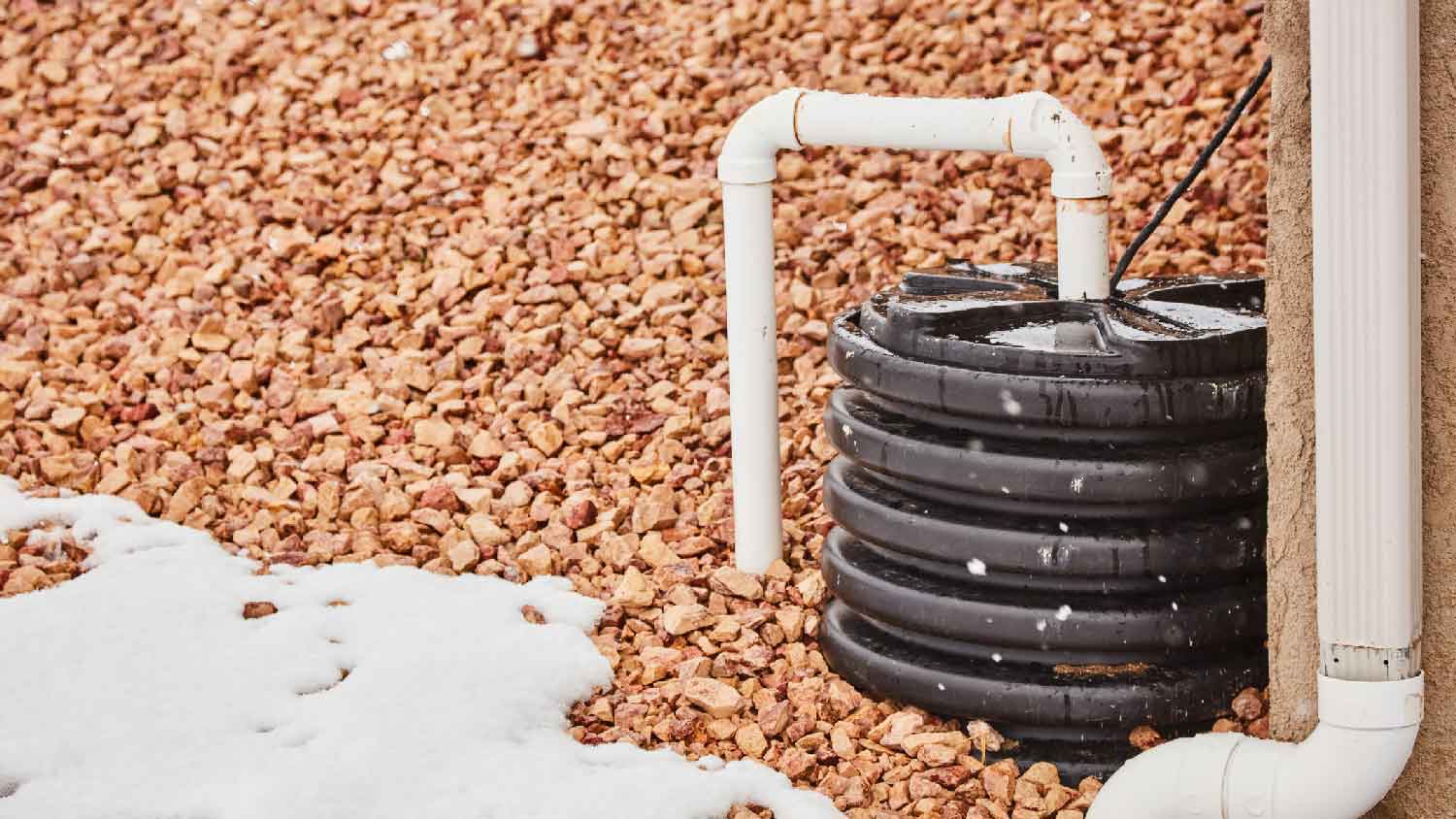
A sump pump doesn’t remove water from your home on its own. Check out this diagram of a sump pump to see how it works with a sump pit, discharge pipe, and more.
If something seems off with your sump pump, follow this guide to learn how to check if your sump pump is working (and what to do if it’s not).

Sump pumps last 7 to 10 years, but other factors can reduce the life span. Find out if it’s time to replace your sump pump and maintenance tips.
Why is my sump pump alarm going off? Take a look at what to do when your sump pump is beeping with these DIY steps.