







Top-rated sump pump installation pros.

Get matched with top sump pump installation pros in Venice, IL

Enter your zip and get matched with up to 5 pros

Need a pro for your sump pump installation project in Venice, IL?

Select your specific project to find the pro for you.

TRUSTED BY VENICE, IL HOMEOWNERS

  • Average homeowner rating star icon4.4
    Average homeowner rating
  • Verified reviews icon75
    Verified sump pump installation services reviews

Find Sump pump installation pros in Venice

Avatar for General Installation Systems
General Installation Systems
5.0(
2
)
Sump Pump - Repair or ReplaceSump Pump or Interior Foundation Drains - Install

Serving Venice, IL and surrounding areas

Approved

In business since 2020

Free estimates

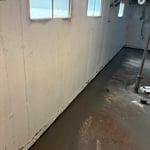
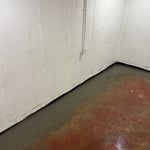
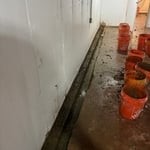
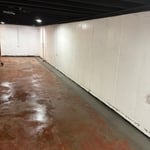
"They did a really good job waterproofing my basement. The crew was professional, arrived on time, and explained the entire process before getting started, and completed the job with great attention to detail. It's clear they take pride in their work. I'd definitely recommend them if you need your basement waterproofed."
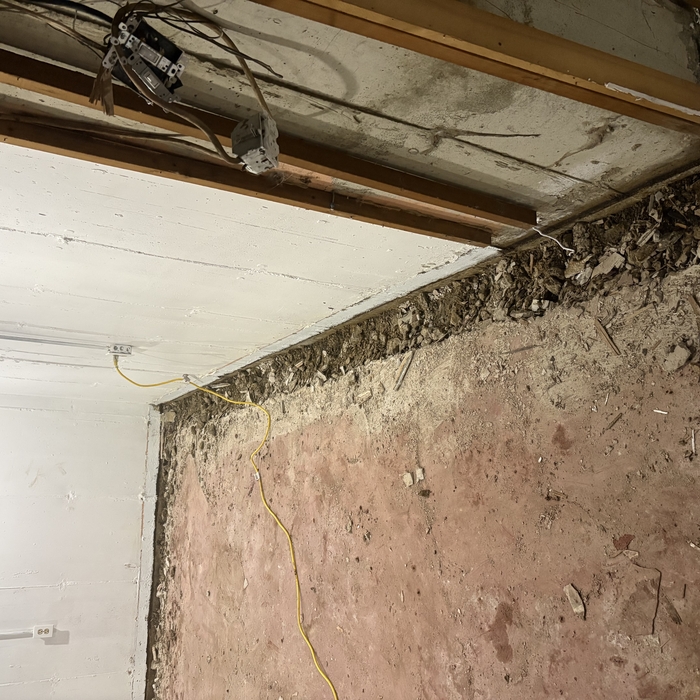
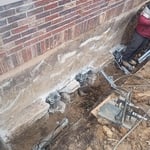
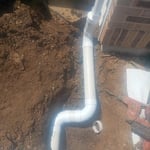
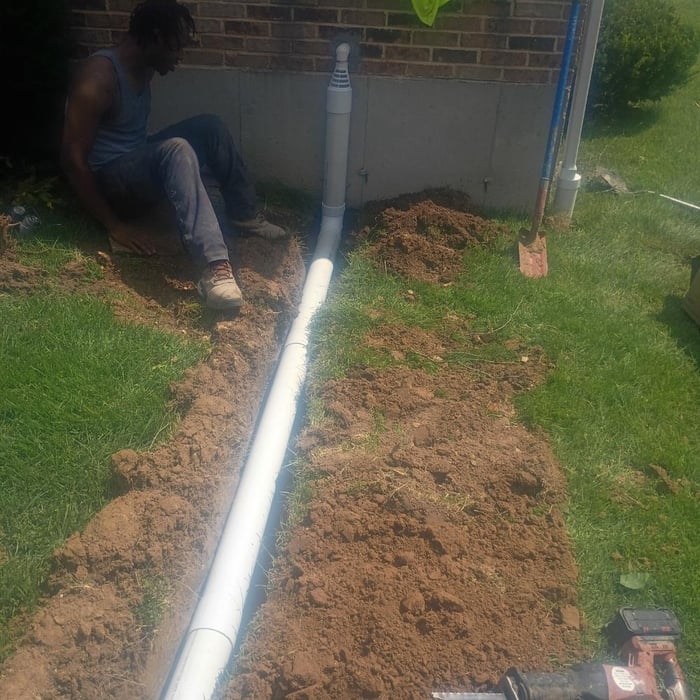
Concrete finished
Concrete finished
Concrete break out
Concrete finished
During breakout

+6

10 neighbors recently requested a quote
...
Showing 1-10 of 77
Sump Pump Installation questions, answered by experts

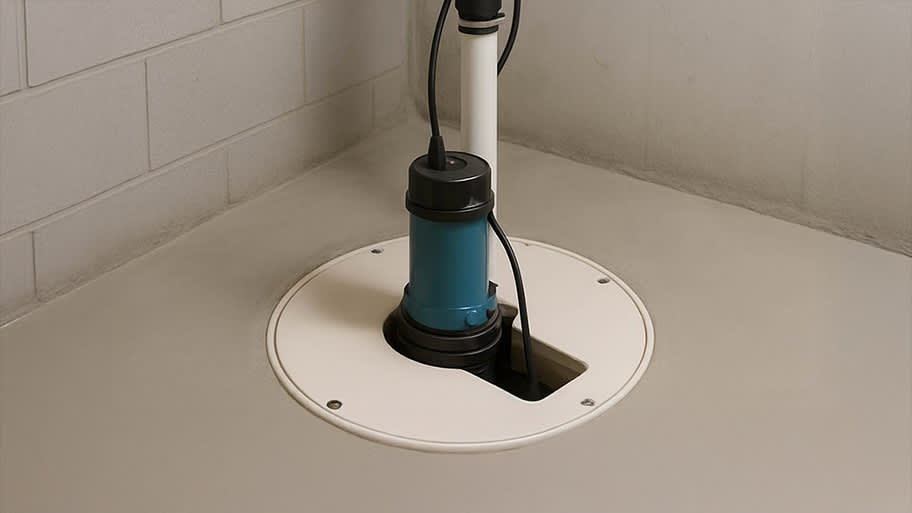
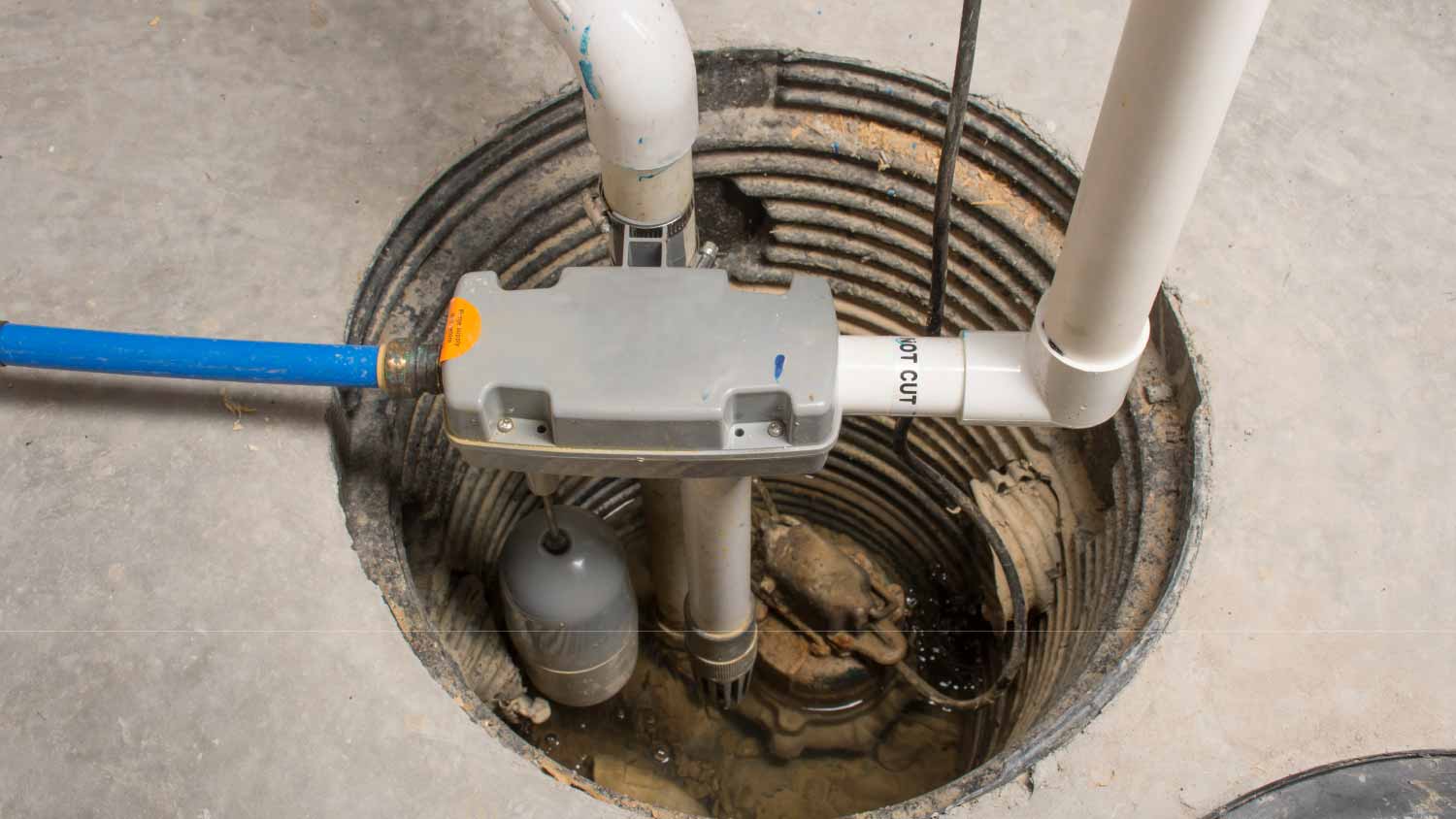
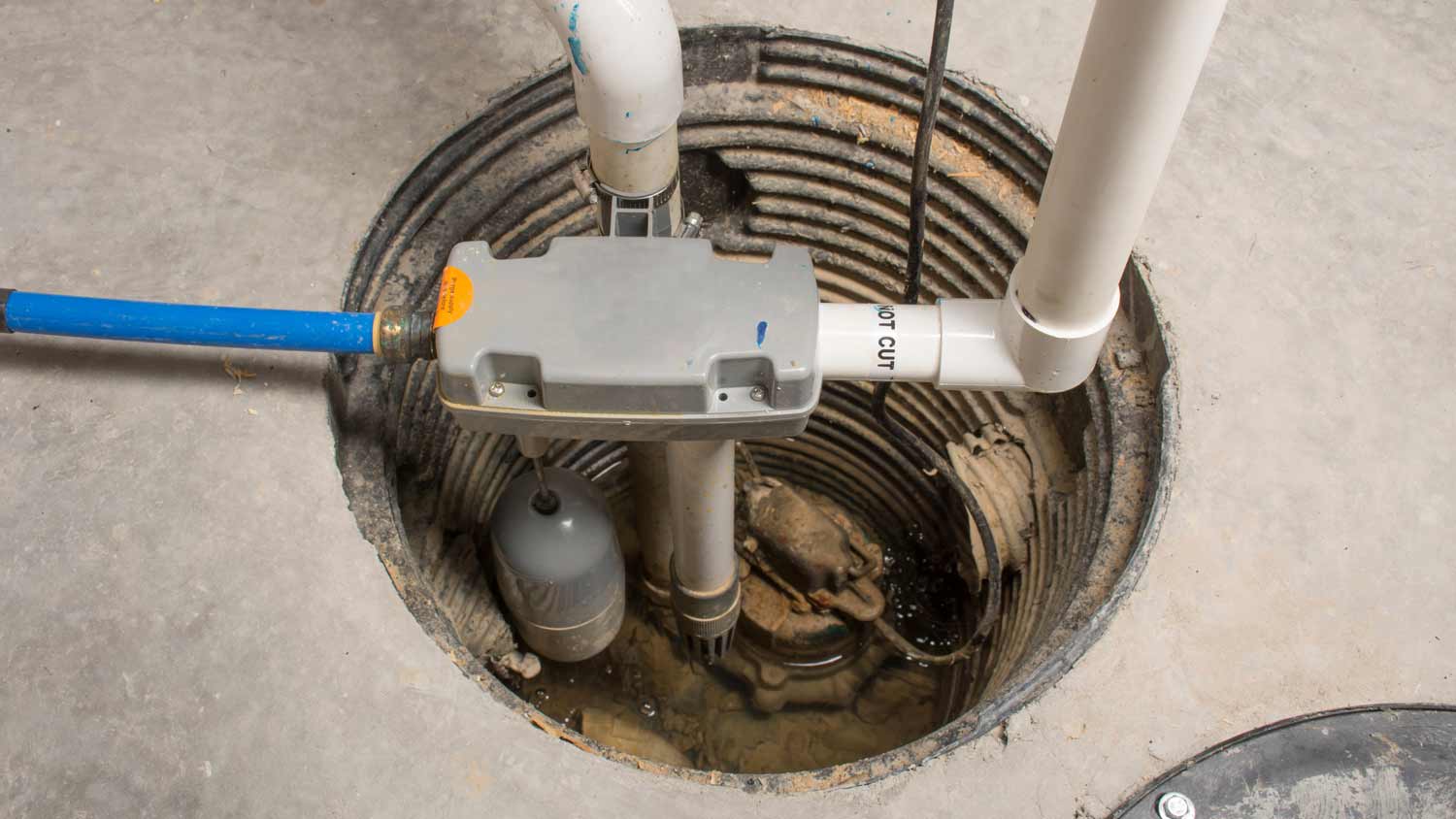
Yes, it’s normal (and beneficial) to have a small amount of water in the bottom of your sump pit. It shows that your system is collecting groundwater, rain, and excess water from around your property—just like it’s supposed to. However, if the sump pit is always full, you might have a leak or a faulty sump pump.

A sewage ejector pump is necessary if you have any plumbing fixtures, such as a bathroom, laundry room, or sink, located below the level of your home's main sewer line. Standard plumbing relies on gravity to move wastewater and solid waste to the municipal sewer or septic tank. However, for fixtures located below grade (e.g., in a basement), gravity is not sufficient.

The purpose of a sewage ejector pump is to actively pump this wastewater and solid waste upward into the main sewer line. Without an ejector pump in this situation, wastewater would have no way to exit and would eventually back up, causing a sewage overflow or flooding in your basement. If all of your home's plumbing is on the main floor or higher, gravity can handle the drainage, and an ejector pump is not needed.

To maintain your sump pump, start by checking it every three to four months to ensure it’s in working order. Clear any debris from the pit because blockages can prevent the pump from operating efficiently. You should also test the pump by pouring a bucket of water into the pit. If it turns on automatically and drains the water, it’s functioning correctly. Inspect the discharge line for clogs, and ensure it directs water away from your home. Once a year, clean the pump itself, and consider having it professionally serviced for optimal performance.

Inspect the pump annually, test the float switch, and clean the discharge line to ensure efficient operation.

Sewer ejector pumps need to be cleaned at least once a year by a professional. You shouldn’t attempt to clean it yourself because it can release sewer gasses that are toxic to humans and can be fatal. But to keep the system as clean as possible between professional inspection and cleaning services, be sure to only flush human waste and toilet paper. Avoid flushing items that can clog the system, like paper towels, grease, oil, or menstruation products.

The Venice, IL homeowners’ guide to sump pump installation services

From average costs to expert advice, get all the answers you need to get your job done.