



Top-rated excavation pros.

Get matched with top excavation pros in Stone Park, IL

Enter your zip and get matched with up to 5 pros

Need a pro for your excavation project in Stone Park, IL?

Select your specific project to find the pro for you.

Find Excavation pros in Stone Park

Gooseland Tree and Excavating
3.5(
2
)

Serving Stone Park, IL and surrounding areas

Approved

In business since 1998

Free estimates

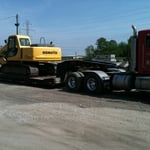
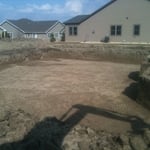
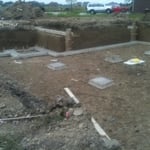
We pride our company on reliability, great communication, integrity, and quality work. We are experts in our trade and will do our best to keep you as educated as we can on your particular task or project. We look forward to earning your business!\nWe have been in business since 1998. We specialize in Excavation work residential and commercial as well as Lawn Maintenance & Tree Removal.

Untitled Gallery 1
Untitled Gallery 1
 Basement
Success Landscaping
New to Angi

Serving Stone Park, IL and surrounding areas

Approved

At AK Enterprise, we are committed to providing reliable, high-quality landscaping services that bring beauty and value to every property we work on. We specialize in lawn care, landscape design, maintenance, cleanup services, and outdoor improvements tailored to each customer’s needs. Our goal is simple: deliver dependable service, attention to detail, and results that exceed expectations. Whether it’s maintaining a healthy lawn or transforming outdoor spaces, we take pride in helping our customers create landscapes they can enjoy year-round.

1 neighbors recently requested a quote
...
Showing 1-10 of 156
Excavating questions, answered by experts

No, fire blight does not survive free in the soil but instead is carried through insects, animals, rain, or wind during the spring. Keep in mind that it can also spread on tools, which is why you should always disinfect them in between cuts.

A trench that is less than 5 feet deep often doesn't require a protective system. Most residential trenches will not go this deep (the typical residential drainage trench is just 18 inches deep). In the event that an excavator needs to dig more than 5 feet beneath the surface, a protective system is required unless the excavation is in entirely stable rock.

Depending on the severity of the freeze and the method used, thawing frozen underground pipes can take anywhere from 30 minutes to several hours. Applying heat directly to the pipe using heat tape, infrared lamps, or hot water jetting can speed up the process. However, patience and careful monitoring are key to avoiding pipe damage.

Trenching and boring are two distinct methods for installing underground utilities. Trenching involves digging a channel using equipment like an excavator, trencher, backhoe, or shovel. While it is a simpler process, it causes significant disruption to the surface, landscaping, and surrounding ecosystems.

Boring, also known as directional boring, is a less invasive alternative that uses a drill to create a tunnel for utility lines without disturbing the surface. This method is more precise and is ideal for installations that need to go underneath buildings, roads, or bodies of water. Although boring is less disruptive, it is generally more expensive than trenching.

Consultation with the local government helps identify necessary permits, avoid project delays or legal issues, and protect project integrity.

The Stone Park, IL homeowners’ guide to excavation services

From average costs to expert advice, get all the answers you need to get your job done.