





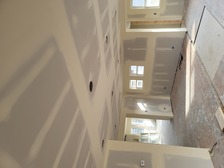
Top-rated drywall pros.

Get matched with top drywall pros in Lisle, IL

Enter your zip and get matched with up to 5 pros

Need a pro for your drywall service project in Lisle, IL?

Select your specific project to find the pro for you.

TRUSTED BY LISLE, IL HOMEOWNERS

  • Average homeowner rating star icon4.7
    Average homeowner rating
  • Verified reviews icon729
    Verified drywall services reviews

Find Drywall pros in Lisle

Avatar for Luviano's Company
Luviano's Company
4.9(
76
)
Drywall - InstallDrywall - RepairDrywall - Install - For Business+1 more

Serving Lisle, IL and surrounding areas

Approved

In business since 2015

Free estimates

Credit card accepted

"We are so glad we hired Eddie and his Team for our basement drywall installation! They completed the drywall for our bathroom and around our mechanical area. We reached out for a quote and Eddie came out that same week, and was able to start our project within a few days. They were very professional and did an amazing job cutting the drywall to the basement ceiling (we will be doing a blackout ceiling). We will absolutely be calling them when we are ready to proceed with the next portion of our basement!"
Response time2 days
4 neighbors recently requested a quote
Recommended by95%of homeowners

Avatar for WINDY CITY DRYWALL 2 INC.
WINDY CITY DRYWALL 2 INC.
4.4(
50
)
Drywall - RepairDrywall - Install

Serving Lisle, IL and surrounding areas

Approved

In business since 2006

Free estimates

Small jobs welcome

"Windy City Drywall, was very professional. The ceiling in a bedroom of a 1920â s bungalow clasped, Windy City Drywall fixed it quickly, it looks as if nothing ever happened. I ð ¯ recommend them!"
Response time8 hrs
17 neighbors recently requested a quote
Recommended by86%of homeowners
Avatar for Tadashi Painting
Tadashi Painting
4.9(
45
)
Drywall - InstallDrywall - Repair

Serving Lisle, IL and surrounding areas

Approved

Super Service Award Winner

In business since 2023

Free estimates

Emergency services offered

"Kevin and crew did an outstanding job. They patched in some drywall and painted my bathroom. I can’t tell where they patched after they painted. The crew was professional and accommodating to my interrupting to check on progress. I will be hiring Tadashi Painting again for future jobs!"
Coupon
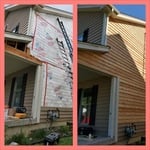
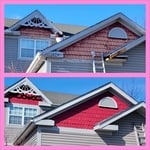
Replace cedar siding
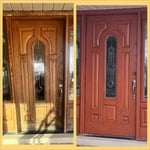
Refurbished Front Door
Wood Work
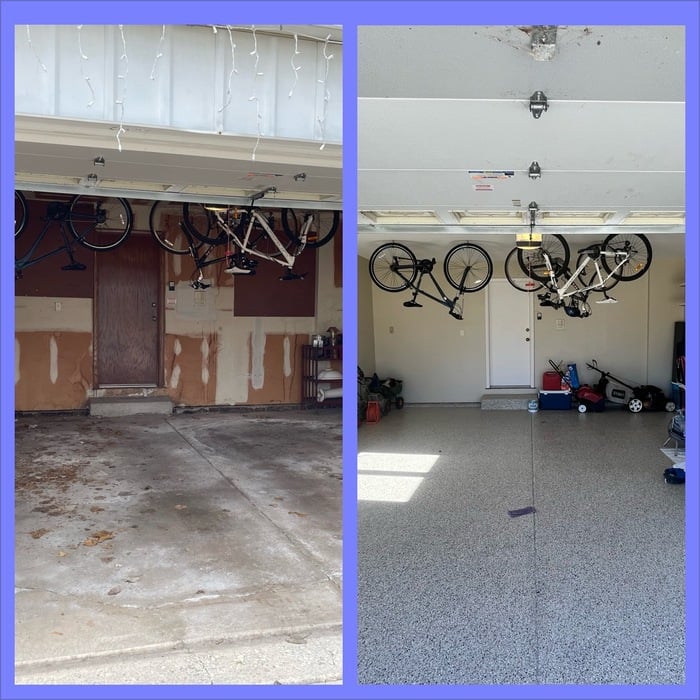
Finished Garage

+14

Response time6 hrs
Response rate94%
1 neighbors recently requested a quote
Avatar for Suburban Handyman LLC
Suburban Handyman LLC
5.0(
66
)
Drywall - InstallDrywall - Repair

Serving Lisle, IL and surrounding areas

Approved

Super Service Award Winner

In business since 2023

Free estimates

Small jobs welcome

"Thomas did an excellent job in restoring the interior of my garage. Taking down cabinets, retaping and repatching drywall that had been neglected for 20 plus years. Finished by applying two coats of paint. Price was very reasonable. Very professional."
Balcony Deck
balcony deck
balcony deck
Balcony deck
Balcony Deck

+57

Response time4 hrs
2 neighbors recently requested a quote
Recommended by67%of homeowners
...
Showing 1-10 of 610
Drywall questions, answered by experts

Although they have similar applications, spackle and joint compound are not the same. Their primary differences lie in their composition, consistency, and ideal use cases.

Spackle is composed of gypsum and binding agents, making it thicker than joint compound. It dries quickly and is easy to sand, which makes it ideal for small wall repair projects like filling nail holes or patching minor damage.

Joint compound, also known as drywall mud, consists of limestone and gypsum. It is primarily used for large-scale projects, such as taping and finishing the seams on newly installed drywall. It tends to shrink more than spackle and can be more difficult to spread.

While both products can be used to fill small depressions and cracks, spackle cannot replace joint compound for taping and mudding new drywall. Conversely, you can often use joint compound for small patching jobs typically done with spackle.

Yes, it is possible to rewire a house without removing the drywall, but this doesn’t work in all homes. You can pull out old wires and insert new ones if you have access to the wiring system via the ceiling or through a crawl space. Some pros can also use a magnetic kit to fish the old wire out of the wall through a hole cavity and install the new wires. Just keep in mind that doing this is less stable than removing drywall, as you won’t be able to staple the wires into the framing.

The easiest way to cut holes in drywall for electrical boxes is to use a spiral saw with a drywall router bit. Hang the drywall without cutting out a hole for the box, but make sure you measure and mark where the box is located on the wall. Once you screw in the drywall sheet, drill a small hole into the box void, insert the spiral saw bit, and move it around the edge of the box using the inside wall as a guide. You can also use an oscillating multi-tool with an electrical box cutout for fast, professional results.

There are six levels of drywall finish, from 0 to 5, that refer to the amount of work performed during the finishing process.

Level 0: Drywall is hung with no finishing work.

Level 1: Tape is placed over the seams between drywall sheets.

Level 2: A thin layer of mud is applied over the tape and screw holes. This level is common for utility rooms or walls that will be covered.

Level 3: A full coat of mud covers the screw holes and tape, but the surface is not sanded. This is often used in garages.

Level 4: This is the most common finish for visible interior walls. It involves applying two coats of mud over seams and screw holes, with sanding between each coat, creating a smooth surface ready for flat paint.

Level 5: This is a high-end finish for luxury homes. It includes full taping, mudding, and sanding, plus a final skim coat over the entire surface before painting.

You should leave a gap between drywall sheets because they naturally expand and contract along with the building framing as temperature and humidity change. Most pro drywall installers leave a gap of about ⅛ inch between drywall sheets, allowing the sheets to expand, contract, and shift without cracking or becoming damaged. If you don’t leave enough gaps between slabs, the edges will press against each other when they expand, and the pressure can cause visible cracks.
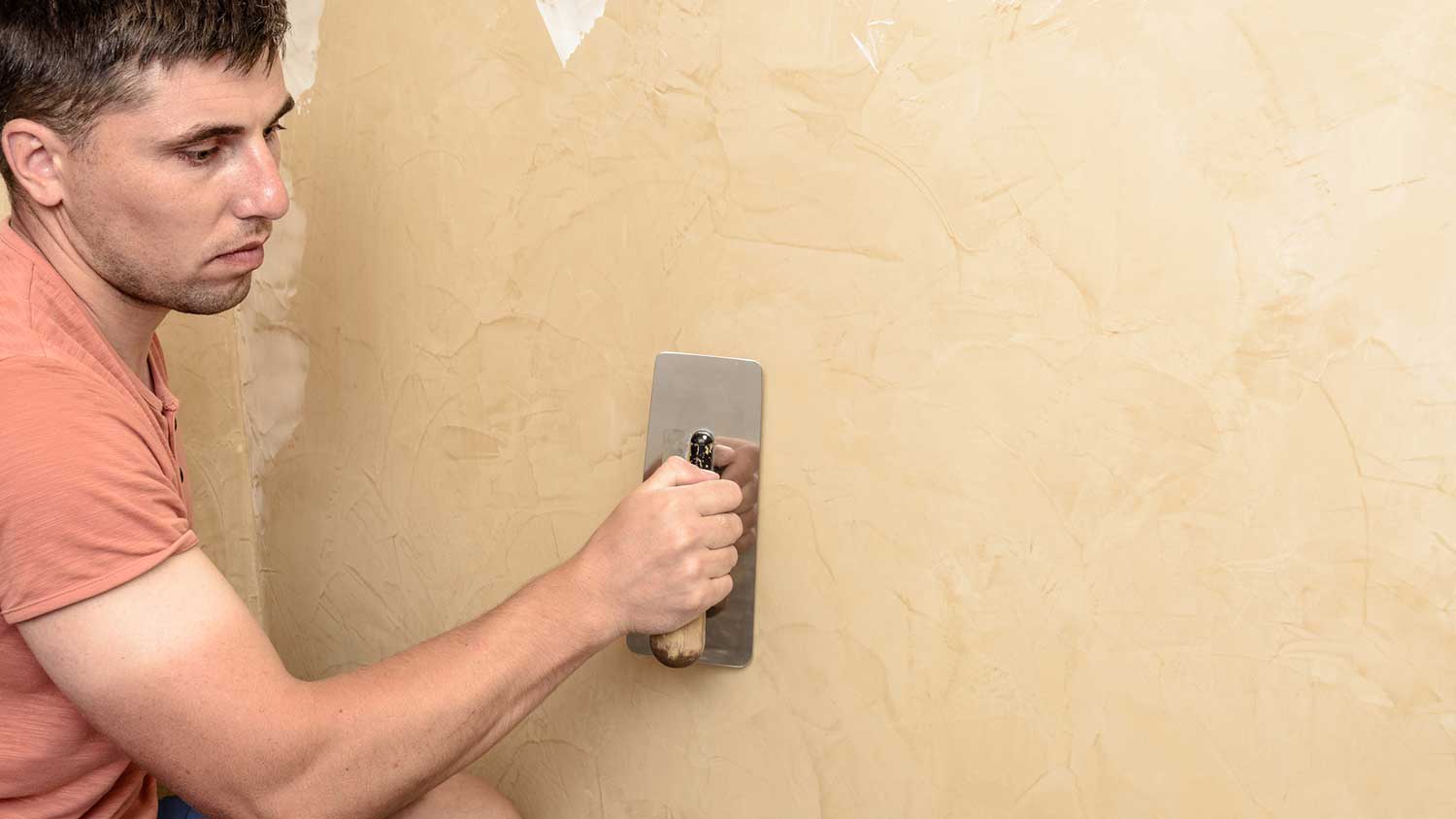
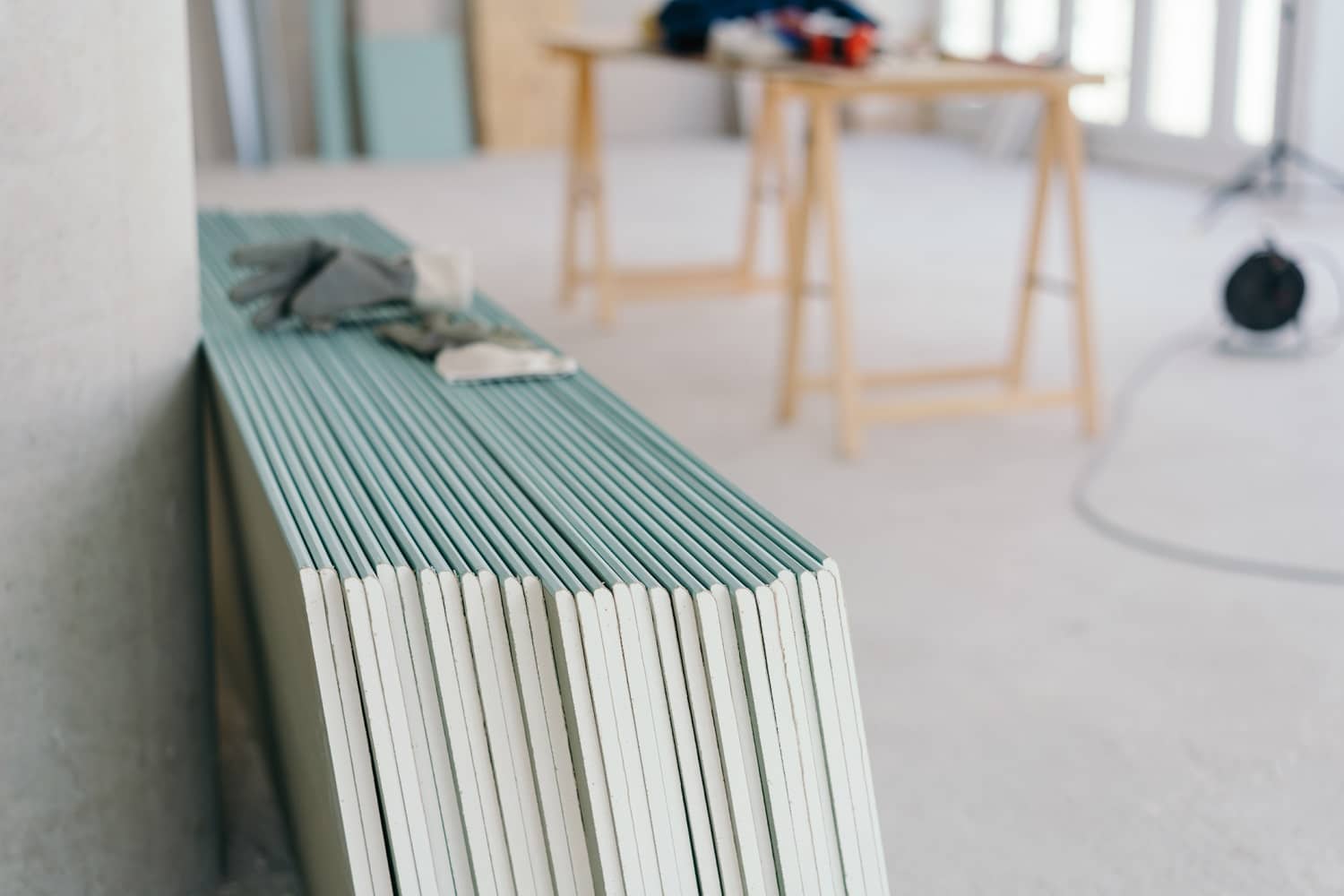
The Lisle, IL homeowners’ guide to drywall services

From average costs to expert advice, get all the answers you need to get your job done.