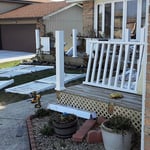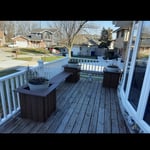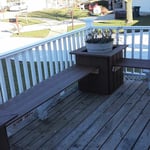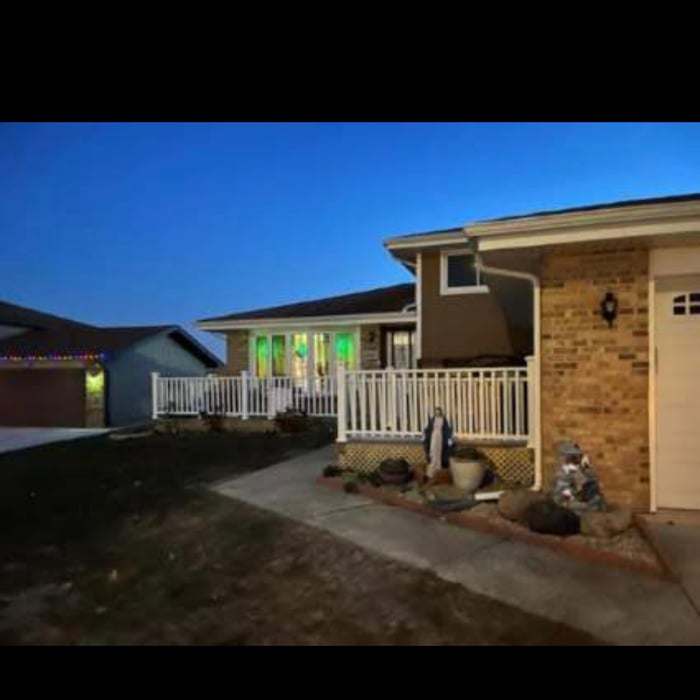






Top-rated fencing pros.

Get matched with top fencing pros in Illiopolis, IL

Enter your zip and get matched with up to 5 pros

Need a pro for your fencing service project in Illiopolis, IL?

Select your specific project to find the pro for you.

Find Fencing pros in Illiopolis

Wedge Construction
3.9(
22
)

Serving Illiopolis, IL and surrounding areas

In business since 1996

Free estimates

Emergency services offered

"Ken is a skilled professional who is very respectful the homeowner and their property.  His work was very high quality, his price reasonable, and he was easy to work with.  I'm extremely pleased with the work Ken did and have already started my list of future projects.  Ken makes helpful suggestions, always cleans up before he goes home for the day, and is very knowledgeable about the kind of work he does.  I highly recommend Ken!!
"
Before
After
Before
After
Before

+8

Recommended by76%of homeowners
Avatar for FC Home and Property Services
FC Home and Property Services
New to Angi

Serving Illiopolis, IL and surrounding areas

In business since 2022

We specialize in outdoor maintenance, pressure washing, lawn care, lawn work landscaping, fencing, and all things exterior, our goal is help you keep your life simple and let us do the hard work. We pride ourselves in doing the job well and once and don't leave until its done right. No matter what you need done on the exterior of your home there's no job to large. Call us today for a free estimate- we cant wait to shake hands and earn your business.

Additional Photos
Additional Photos
Additional Photos
Additional Photos
Additional Photos

+3

Fencing questions, answered by experts

Yes, fence posts need to be installed below the frost line to ensure stability and prevent heaving caused by freezing and thawing cycles. The frost line is the depth at which soil freezes during winter. By placing posts below this line, often around 3 to 4 feet deep or as recommended for your specific region, you reduce the risk of the ground shifting, which can lead to leaning or unstable fences. Adequate depth provides better anchoring and helps maintain the fence's integrity, ensuring it remains secure and upright throughout changing seasons.

You can sometimes install a fence over a gas line. Fence installation typically requires a two-foot depth for posts, so if the lines are shallower than two feet, you cannot put a fence post over the line. You’ll need to call 811 to get the gas lines located and marked before you start the project.

Who pays for a new fence between neighbors depends on its location relative to the property line. If you build the fence entirely on your property, you are solely responsible for the costs of installation, maintenance, and repair. If the fence is built directly on the property line, both neighbors are typically responsible for the costs. In this case, it is essential to consult with your neighbor beforehand to agree on a plan for payment. While you should always inform your neighbor of your plans in advance, you generally cannot force them to contribute financially unless there are specific local laws, such as in California, where both parties might be responsible for costs unless a different agreement exists. It's a good idea to get a property line survey to know the exact boundaries before building.

The ideal distance between fence posts depends on several factors, including the terrain, the purpose of the fence, and the material used. For different types of fences, here are some general guidelines:

  • Wood and Metal Fences: Posts should be spaced between 5 and 8 feet apart.

  • Vinyl Fences: Spacing can be between 6 and 8 feet.

  • Chain-Link, Mesh, or Lattice Fences: Posts can be set anywhere from 4 to 25 feet apart, with 4-10 feet being common for chain-link.

  • Wire Fences: Spacing can be up to 12 feet apart.

Whether you need a permit to build or install a fence depends on several factors, including your location, the fence's height, its placement in your yard, and the materials used. In many cities and highly populated areas, a permit is required, especially for fences taller than 6 feet. Conversely, rural areas may have fewer restrictions. Typically, backyard privacy fences 6 feet or shorter do not require a permit, while front yard fences often have a lower height limit, sometimes as low as 3.5 feet. There can also be exceptions for properties in mixed residential-commercial zones. It's best to check with your local building inspection or zoning department to understand the specific requirements, height restrictions, and location rules for your area. A professional fence installer can help you navigate this process and often secure the necessary permits for you, though this may extend the project timeline.

The Illiopolis, IL homeowners’ guide to fencing services

From average costs to expert advice, get all the answers you need to get your job done.

What do you need done? We’ll find top pros.
  • 🌱 "Mow a small front yard"
  • 🛠 "Fix a leaking pipe under the sink"
  • 🏠 "Repair shingles on an asphalt roof"