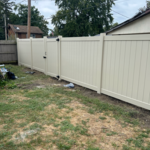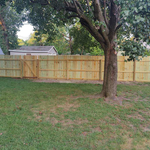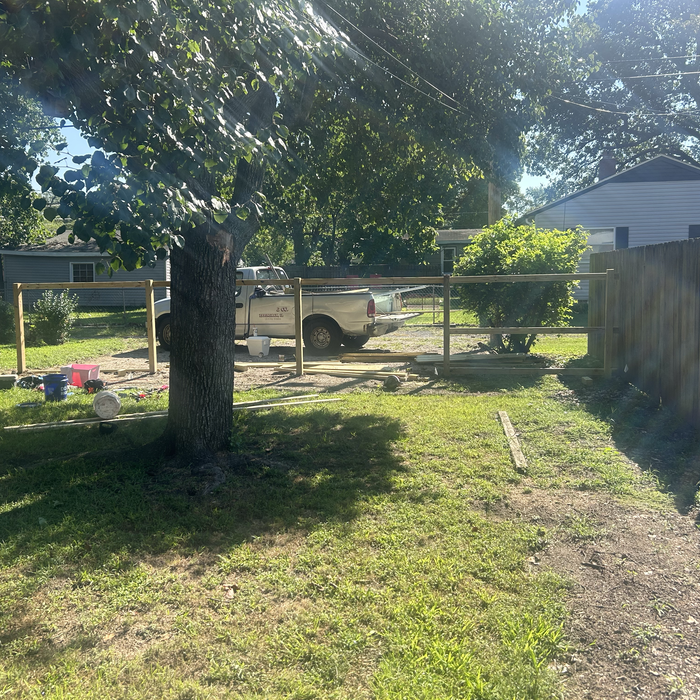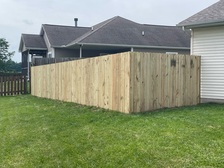



Top-rated fencing pros.

Get matched with top fencing pros in Pawnee, IL

Enter your zip and get matched with up to 5 pros

Need a pro for your fencing service project in Pawnee, IL?

Select your specific project to find the pro for you.

TRUSTED BY PAWNEE, IL HOMEOWNERS

  • Average homeowner rating star icon4.6
    Average homeowner rating
  • Verified reviews icon10
    Verified fencing services reviews

Find Fencing pros in Pawnee

...
Showing 1-10 of 55
Fencing questions, answered by experts

A board on board fence is a type of privacy fence that uses overlapping vertical boards to keep onlookers from seeing into the fenced yard. Typically made of wood, board on board fences are more expensive than other privacy fences because they use more materials and require more complex construction.

Since wood is weaker when installed horizontally versus vertically, a horizontal fence is prone to sagging. You can prevent this drooping from happening by building a sturdier fence. Use softwoods that are more stable, such as cedar and redwood, or denser hardwoods for your fence materials. If you can’t afford these pricey materials, use thicker two-by-six pressure-treated pine boards or shorten the span the fence boards have to cover by installing more posts.

Yes, installing wrought iron fencing will usually require a building permit, as do all types of fencing. Building permits for wrought iron fencing typically cost between $150 and $500, and the price will vary based on where you live and how much your local building department charges. You may also need to pay for a property survey if you’re installing wrought iron fencing on your property line. This type of survey can cost around $500, but it prevents issues with building on neighboring properties, which can be much more expensive in the long run.

The most common height of a front yard fence is around 3 feet high, but it can vary depending on your zoning laws. If your fence is meant to create privacy, something closer to 6 feet or higher will do the trick. Most of the time, the highest fence you’ll see is 8 feet tall.

Who pays for a new fence between neighbors depends on its location relative to the property line. If you build the fence entirely on your property, you are solely responsible for the costs of installation, maintenance, and repair. If the fence is built directly on the property line, both neighbors are typically responsible for the costs. In this case, it is essential to consult with your neighbor beforehand to agree on a plan for payment. While you should always inform your neighbor of your plans in advance, you generally cannot force them to contribute financially unless there are specific local laws, such as in California, where both parties might be responsible for costs unless a different agreement exists. It's a good idea to get a property line survey to know the exact boundaries before building.

The Pawnee, IL homeowners’ guide to fencing services

From average costs to expert advice, get all the answers you need to get your job done.