



Top-rated excavation pros.

Best excavation pros near Hodgkins, IL

Enter your zip and get matched with up to 5 pros

Need a pro for your excavation project in Hodgkins, IL?

Select your specific project to find the pro for you.

TRUSTED BY HODGKINS, IL HOMEOWNERS

  • Average homeowner rating star icon4.7
    Average homeowner rating
  • Verified reviews icon38
    Verified excavation services reviews

Top-Rated Excavation pros in Hodgkins - Updated Nov 2026

Gooseland Tree and Excavating
3.5(
2
)
Building Site - Preparation and ClearingBuilding Site - Preparation and Clearing - For BusinessExcavation - Major Grading or Resloping+1 more

Serving Hodgkins, IL and surrounding areas

Approved

In business since 1998

Free estimates

We pride our company on reliability, great communication, integrity, and quality work. We are experts in our trade and will do our best to keep you as educated as we can on your particular task or project. We look forward to earning your business! \nWe have been in business since 1998. We specialize in Excavation work residential and commercial as well as Lawn Maintenance & Tree Removal.

Untitled Gallery 1
Untitled Gallery 1
 Basement
Avatar for Last step junk removal
Last step junk removal
5.0(
1
)
Landscape - Minor Grading or Resloping

Serving Hodgkins, IL and surrounding areas

Approved

Emergency services offered

Small jobs welcome

Credit card accepted

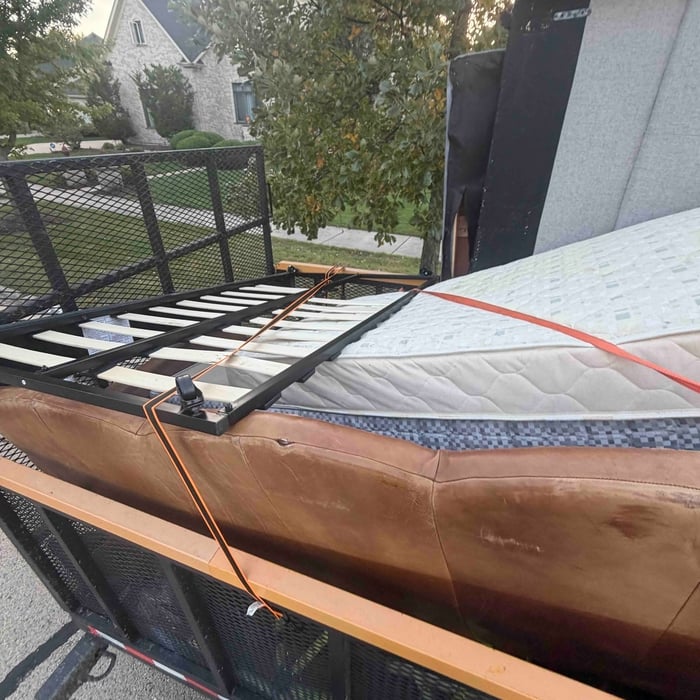
Hello my name Is isaak, I own last step junk removal we operate in Elgin il, and we specialize in junk removal in residential and commercial buildings, like, furniture BAG OF JUNK, TVS, etc \nFree estimates via message or email\nWe would love the opportunity to work with you,

Tree debris/ leaves
Tree debris/ leaves
Tree debris/ leaves
House clean outs
House clean outs

+4

8 neighbors recently requested a quote
...
Showing 1-10 of 202
Excavating FAQs, answered by experts

Trenching and boring are two distinct methods for installing underground utilities. Trenching involves digging a channel using equipment like an excavator, trencher, backhoe, or shovel. While it is a simpler process, it causes significant disruption to the surface, landscaping, and surrounding ecosystems.

Boring, also known as directional boring, is a less invasive alternative that uses a drill to create a tunnel for utility lines without disturbing the surface. This method is more precise and is ideal for installations that need to go underneath buildings, roads, or bodies of water. Although boring is less disruptive, it is generally more expensive than trenching.

Call 811 to locate and mark the gas lines at least three days before digging. In many areas, you can dig within 18 inches of the lines, though in some locations, the distance may be further. Check local regulations, as you may need a utility company representative onsite when digging. Document your calls to 811 and precautions taken to avoid gas lines. A homeowner can be held liable for hitting a gas line in some cases, but contacting the proper authorities and following all guidelines can offer protection.

You can bury underground electrical wire six inches deep—but only if you use a rigid metal electrical conduit. For rigid, non-metallic conduits, bury the wire at least 12 inches deep. If using an underground feeder cable rated for direct burial, you'll need to place it at least 18 inches deep, as it has no conduit for extra protection.

Prior to excavation, you should prepare the dig site and call 311 before you sign anything.

To get your site ready for excavation, you should move anything in the area that isn’t affixed to the land. You can save money on the excavation by removing hardscaping, including walkways, decks, concrete patios, and paver patios.

Before you carry out any digging, you should call 311 to confirm that there are no utility lines running through your excavation site. Skipping this step could lead to severe injury and property damage if your excavator hits a water, sewage, or gas line.

The physical constraints of hand-drilling a well limit the depth you can achieve. Manually digging with picks and shovels may only lead to shallow wells of up to 60 feet in depth. To reach greater depths, you need more specialized equipment. The diameter of your well and the tools you’re using will determine how far down you can dig.

The Hodgkins, IL homeowners’ guide to excavation services

From average costs to expert advice, get all the answers you need to get your job done.