





Top-rated bathroom fan installation pros.

Best bathroom fan installation pros near Harvard, IL

Enter your zip and get matched with up to 5 pros

Need a pro for your bathroom fan installation project in Harvard, IL?

Select your specific project to find the pro for you.

TRUSTED BY HARVARD, IL HOMEOWNERS

  • Average homeowner rating star icon4.6
    Average homeowner rating
  • Verified reviews icon367
    Verified bathroom fan installations reviews

Top-Rated Bathroom fan installation pros in Harvard - Updated Nov 2026

Avatar for The Handy Veteran
The Handy Veteran
5.0(
146
)
Bath Exhaust Fan - InstallBath Exhaust Fan - Repair

Serving Harvard, IL and surrounding areas

Approved

Super Service Award Winner

In business since 2017

Free estimates

Warranties offered

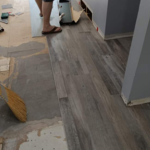
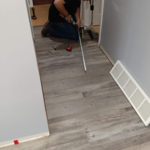
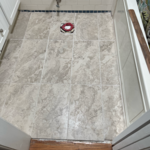
"Kevin and Brad did an amazing job! They replaced the subfloor that had been damaged by a leak from my toilet, installed new flooring, and put in a new toilet, making the bathroom look brand new. They showed up on time, stayed until the job was completely finished, and made sure everything was cleaned up before they left. Super friendly, professional, and hardworking. I highly recommend them!"

Additional Photos
Additional Photos
Additional Photos
Additional Photos
Additional Photos

+5

1 neighbors recently requested a quote
Recommended by95%of homeowners

Abp Electric
4.6(
81
)
Bath Exhaust Fan - InstallBath Exhaust Fan - Repair

Serving Harvard, IL and surrounding areas

Approved

In business since 2006

Free estimates

Warranties offered

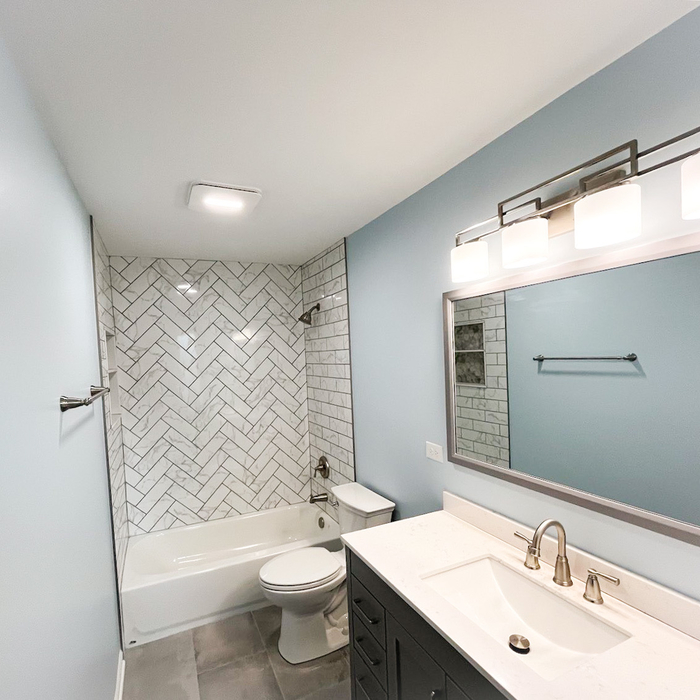
"Brett was punctual and very efficient. He installed a new ceiling fixture/fan and ran power to the unit and replaced a wall switch. Work was completed quickly and neatly. Very courteous and professional. Will definitely rely on Brett for any future electrical needs."
Response time1 hour
Response rate100%
Recommended by96%of homeowners
Avatar for Off-Shift
Off-Shift
3.8(
10
)
Bath Exhaust Fan - InstallBath Exhaust Fan - Repair

Serving Harvard, IL and surrounding areas

Approved

Super Service Award Winner

In business since 2012

Free estimates

Emergency services offered

I’ve been running my own handyman business for about 4 years. I have work in most of the trades in my life. I have experience with roofing, plumbing, general repairs, and assembly of furniture. Estimates are always free.

Additional Photos
Additional Photos
Additional Photos
Additional Photos
Additional Photos

+3

22 neighbors recently requested a quote
Recommended by66%of homeowners
...
Showing 1-10 of 145
Bathroom Fan Installation FAQs, answered by experts

You should generally avoid using WD-40 on a ceiling fan. While it might quiet a squeak temporarily, it is primarily an anti-corrosion and water displacement agent, not a true lubricant, and can damage the fan's components over time. Most modern ceiling fans have sealed bearings and do not require oiling, so a squeak may indicate another issue. For fans that do require lubrication, it is better to use a light machine oil, 30-weight motor oil, or a lubricant specifically designed for ceiling fans.

Yes, a fan can help drywall mud dry faster by improving air circulation and reducing humidity in the room. Drywall mud dries through evaporation, so increasing airflow speeds up this process. However, you should position the fan to blow across the room rather than directly on the wet mud. This helps prevent drying too quickly, which can cause cracking. You should also use a dehumidifier if high humidity is an issue.

It depends on your budget and cooling needs. Whole-house fans keep your home breezy by pulling in cool air and pushing out hot air. In places with milder climates, they can replace air conditioning. On the other hand, Attic fans focus on keeping your attic cool—not your entire house. Often, whole-house fans cost more than attic fans, with installation ranging from $600 to $3,600.

Never add oil unless the fan is specifically designed for it. Most modern ceiling fans are designed with sealed bearings that don’t require oiling. However, some older fans may have oil ports for lubrication. If your fan is older and you hear squeaking or grinding, check the manual or the manufacturer’s website to see if oiling is recommended.

Before committing to this new project, you’re likely weighing the pros and cons of attic fans. The good news is that typical roof vents can only ventilate 150 to 300 square feet per unit, whereas a single attic fan can circulate enough air to vent an entire attic. By moving large volumes of air within and out of the attic space, an attic fan can lower the temperature by 15 to 40 degrees Fahrenheit and reduce moisture to prevent mold and mildew.

The Harvard, IL homeowners’ guide to bathroom fan installations

From average costs to expert advice, get all the answers you need to get your job done.