


Top-rated septic tank pros.

Get matched with top septic tank pros in Buffalo, IL

Enter your zip and get matched with up to 5 pros

Need a pro for your septic tank service project in Buffalo, IL?

Select your specific project to find the pro for you.

Find Septic tank pros in Buffalo

Avatar for American Home Shield – Home Warranty
American Home Shield – Home Warranty
3.5(
5,688
)
Septic System - Install or ReplaceSeptic System - Install or Replace - For BusinessSeptic System - Repair+3 more

Serving Buffalo, IL and surrounding areas

In business since 1971

Credit card accepted

"The technician emptied the freezer, which was in the basement, to work on the part that needed repair. Then he neglected to put anything back into the freezer, including a turkey I had bought for Christmas and a rack of ribs. Two days after he left, I went out of town for two weeks. The turkey actually exploded and spewed its liquid all over everything, which had to be discarded. I let AHS know and they couldn't even bother to call me or follow up on this. I'm considering not renewing my contract with them because of the quality (or lack thereof) of many of the providers they send."

Additional Photos
Additional Photos
Additional Photos
Additional Photos
Additional Photos

+2

Recommended by65%of homeowners
Septic Tanks questions, answered by experts

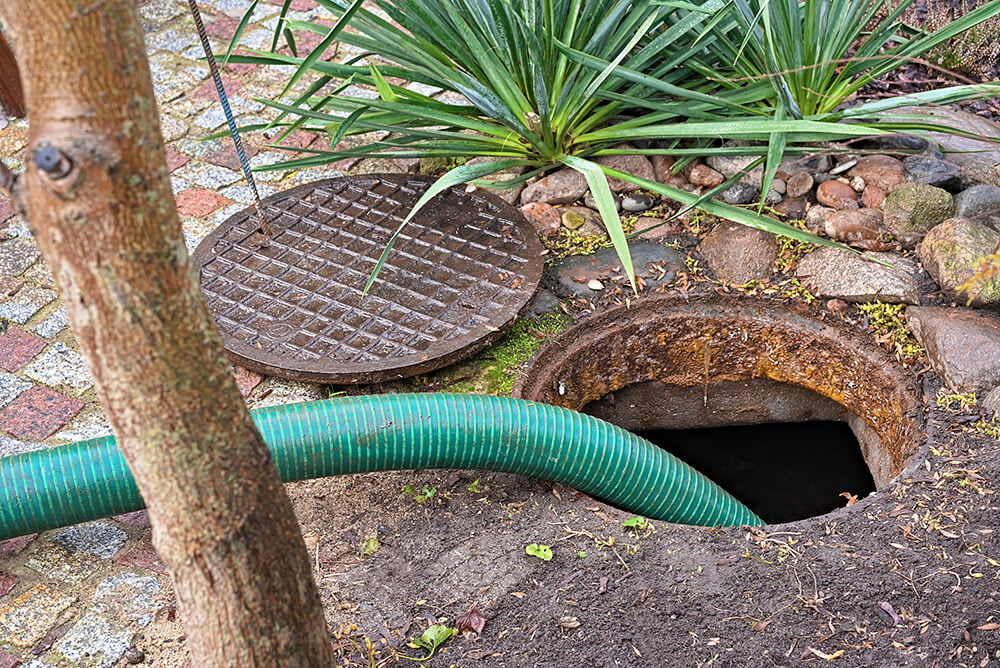
Unlike an urban sewer system that runs wastewater into a central drainage system, septic tanks are a house-by-house system. They are the ultimate destination for all your house’s wastewater—from bathtubs, showers, sinks, toilets, and washing machines. Wastewater flows into a tank buried in the ground outside your home, and then water runs from the tank to a drainage field using sloped pipes.

Ensuring you have adequate space for your engineered septic system is crucial. You’ll need to reserve approximately 900 square feet for a three-bedroom home’s system. However, the type of soil you have, soil absorption rate, the size of your home, climate, and local zoning code will impact the actual amount of space you need.

The best times of year to empty or pump a septic tank are spring and fall. Many professionals recommend spring because the ground has thawed, making the tank easier to access and the waste less likely to be frozen. Pumping before summer also helps avoid conflicts with vacations or outdoor gatherings. Fall is another great option, as contractors may be less busy, and servicing the tank can reduce the risk of overflow from winter and spring precipitation. While summer is also a suitable time, winter is generally not recommended due to frozen ground.

An outdoor water valve typically has a round or oval handle that you can turn to control the water flow. It may be located in a protective box or pit near the property line, where the main water line connects to your house.

Deciding between an engineered septic system and a conventional one depends on property size, soil quality, local regulations, and environmental factors. If your property has limited space, poor soil, or is close to sensitive environmental features, an engineered system may be required. Professional site evaluations, considering water usage, long-term plans, and budget constraints, can help determine the appropriate choice. Consulting with a septic system professional is crucial for ensuring compliance with regulations and selecting the best system for your property's unique needs.

The Buffalo, IL homeowners’ guide to septic tank services

From average costs to expert advice, get all the answers you need to get your job done.