




Top-rated septic tank pros.

Best septic tank pros near Pawnee, IL

Enter your zip and get matched with up to 5 pros

Need a pro for your septic tank service project in Pawnee, IL?

Select your specific project to find the pro for you.

Top-Rated Septic tank pros in Pawnee - Updated Nov 2026

Avatar for American Home Shield – Home Warranty
American Home Shield – Home Warranty
3.5(
5,689
)
Septic System - Install or ReplaceSeptic System - Install or Replace - For BusinessSeptic System - Repair+3 more

Serving Pawnee, IL and surrounding areas

In business since 1971

Credit card accepted

"The technician emptied the freezer, which was in the basement, to work on the part that needed repair. Then he neglected to put anything back into the freezer, including a turkey I had bought for Christmas and a rack of ribs. Two days after he left, I went out of town for two weeks. The turkey actually exploded and spewed its liquid all over everything, which had to be discarded. I let AHS know and they couldn't even bother to call me or follow up on this. I'm considering not renewing my contract with them because of the quality (or lack thereof) of many of the providers they send."

Additional Photos
Additional Photos
Additional Photos
Additional Photos
Additional Photos

+2

Recommended by65%of homeowners
Septic Tanks FAQs, answered by experts

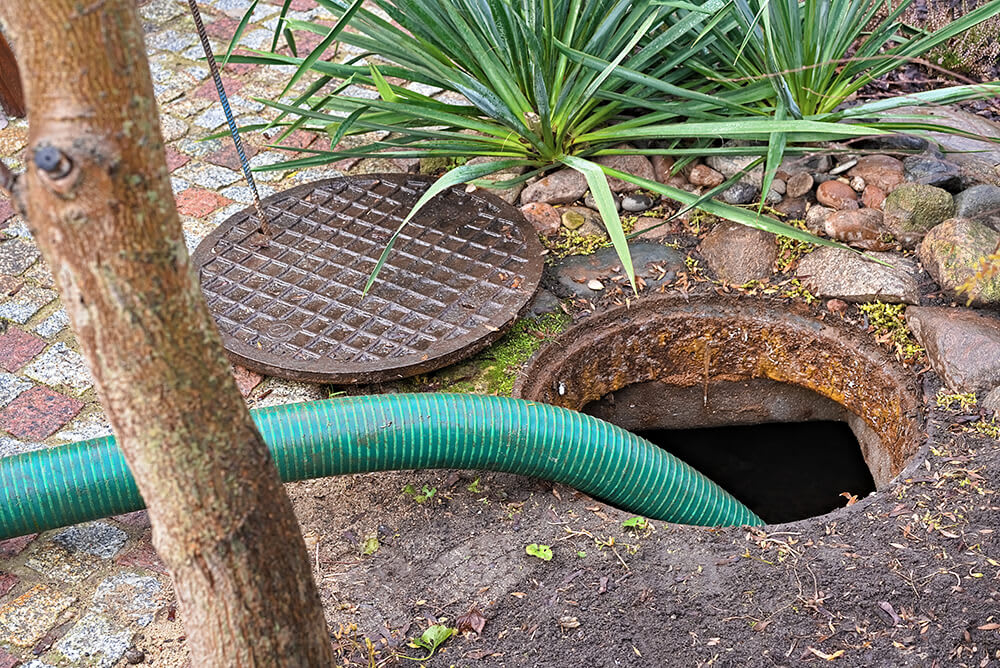
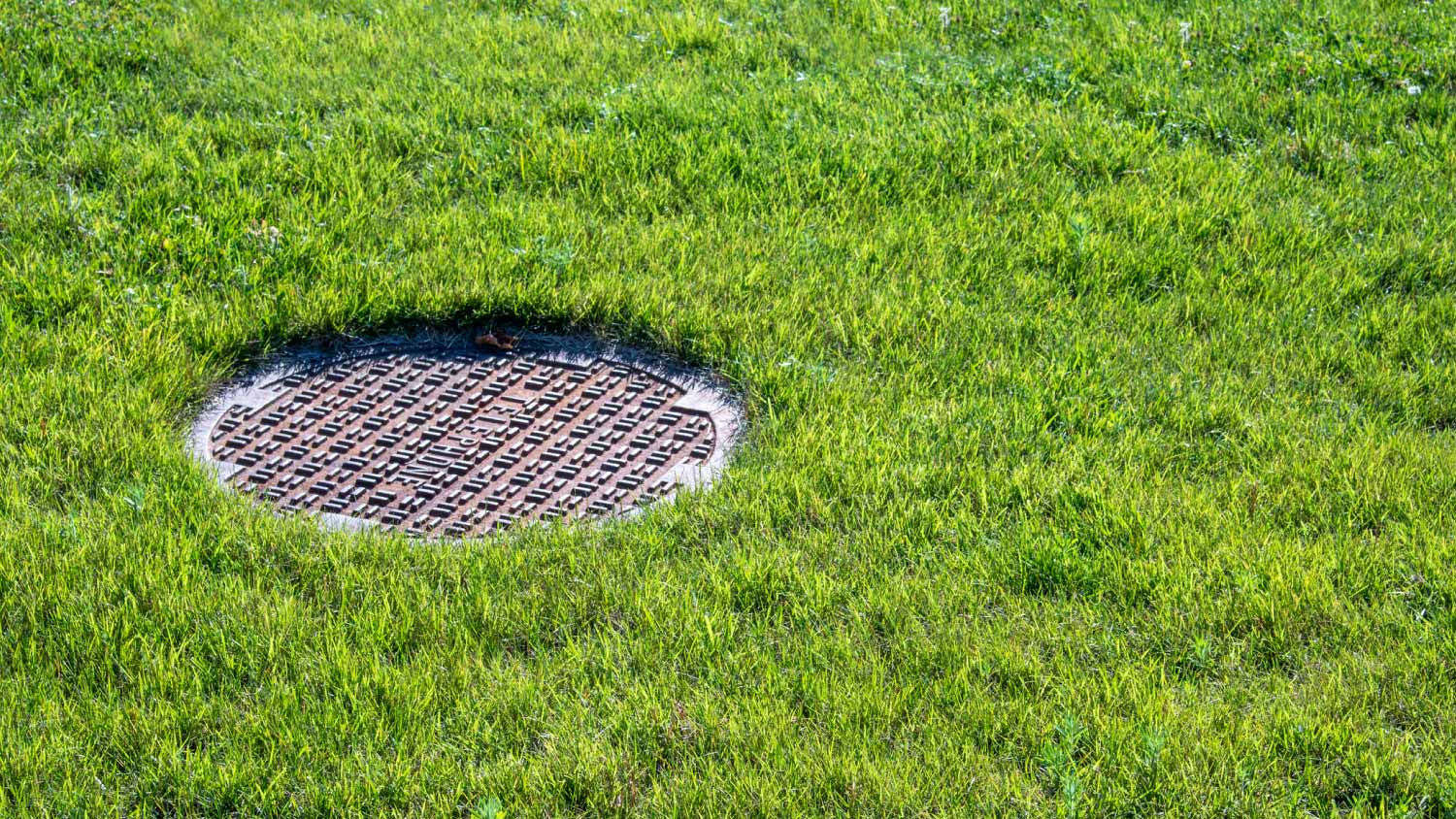
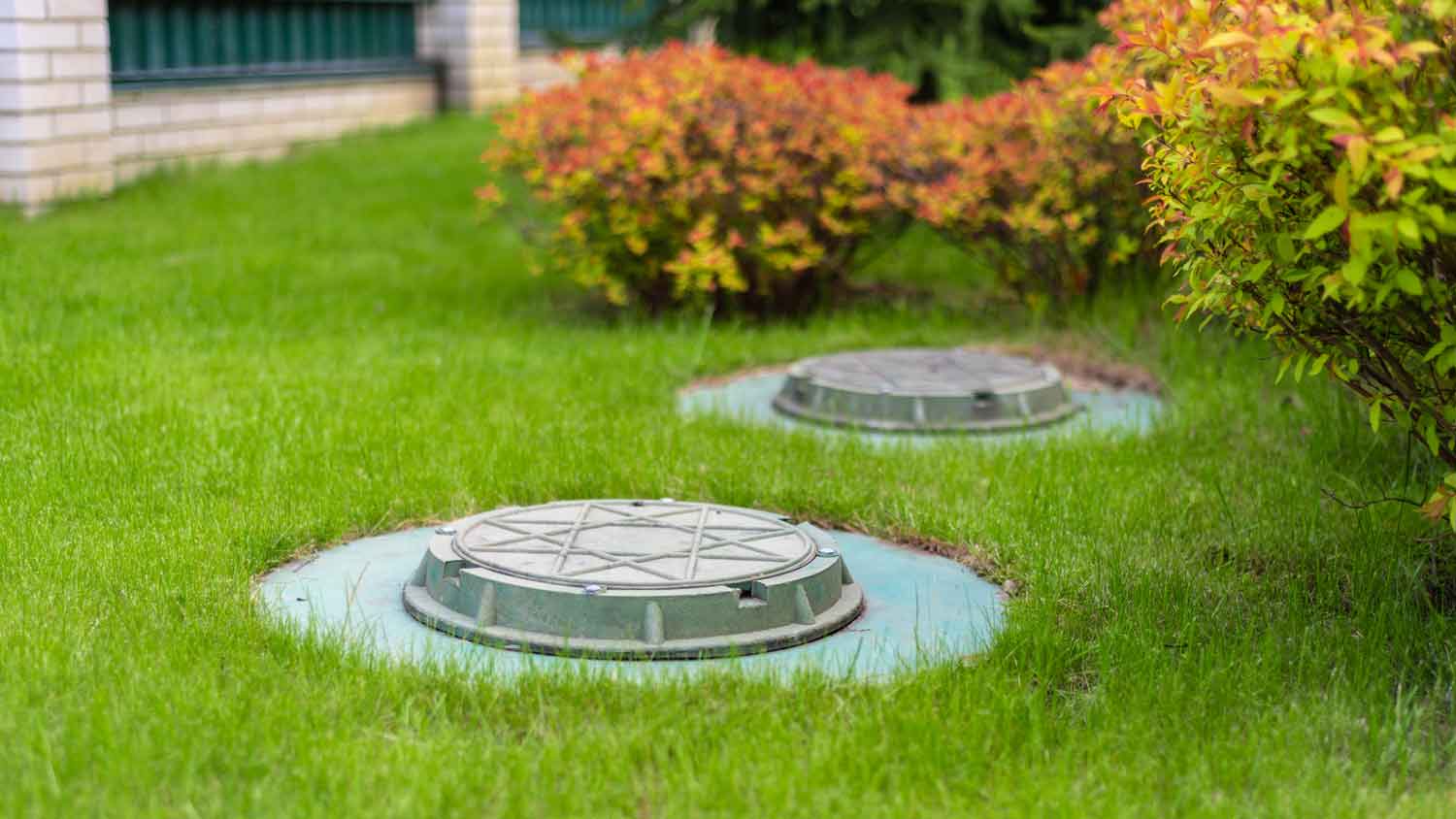
A septic tank lid is often 1 foot underground, but it could be just 4 inches from the surface or 4 feet deep. For septic tank lids that are closer to the surface, you’ll have an easier time locating them just by looking for signs in the yard or using a metal probe. But for septic tanks that are buried deeper underground, you’ll need to hire a pro with specialized equipment to track down the lid without risk of damaging utility lines.

While a traditional septic tank requires a leach field for wastewater disposal, it is possible to have a septic system without one. Some alternative systems, which are often used when there isn't enough space for a full-size leach field, include mound systems or sand filtration systems. In a conventional setup, the leach field is essential because it's where the wastewater goes after leaving the tank.

The purpose of a septic tank is to allow solid wastes to separate out of the wastewater using time, gravity, and other natural biological processes. If your septic tank is too small, it might be overwhelmed by solid waste and unable to accomplish this task—and if it’s far too large, there won’t be enough liquid in the tank to nurture the necessary bacteria to aid in the breakdown process.

The water refills in a well through gravity that draws water from the water table to fill the vertical hole. The pump brings the fresh water through a pressure tank and to the pipes in your house. The well continues to refill indefinitely as long as you don’t use more water than the well is producing.

A septic tank riser should extend to just above the ground level or slightly above it. The exact height can vary depending on local regulations and personal preferences, but a common guideline is to have the riser's top flush with or no more than a few inches above the surrounding ground. This height allows for easy access to the septic tank without creating a tripping hazard or obstructing mowing and landscaping activities. It's essential to ensure that the riser lid is easily visible and accessible for regular maintenance and inspection while being mindful of safety and aesthetics.

The Pawnee, IL homeowners’ guide to septic tank services

From average costs to expert advice, get all the answers you need to get your job done.