






Top-rated septic tank pros.

Get matched with top septic tank pros in Forsyth, IL

Enter your zip and get matched with up to 5 pros

Need a pro for your septic tank service project in Forsyth, IL?

Select your specific project to find the pro for you.

Find Septic tank pros in Forsyth

Avatar for Rice Excavating & Septic Service
Rice Excavating & Septic Service
5.0(
1
)
Septic Tank - Clean or Pump Out

Serving Forsyth, IL and surrounding areas

In business since 2014

Free estimates

Emergency services offered

About Us \nChoosing the right company you can trust can be a big undertaking. There's a reason why Rice Excavating & Septic Services is the first stop for many! We consistently maintain a higher level of responsiveness and customer service, treating each customer as if they were our only client. Look no further than the pros at Rice Excavating & Septic Services whenever you need quick or Emergency Service that is of the highest quality. Don’t just trust your septic and excavating needs with anyone else. When dealing with us, you can rest assured, knowing you have a company that has seen it all!

Response time9 hrs
Recommended by100%of homeowners
Septic Tanks questions, answered by experts

Yes, shower water goes into the septic tank. Shower water is a type of greywater, and in fact, all water used in a home with a septic system—including water from sinks, toilets, the dishwasher, and the washing machine—drains into the tank. When shower water enters the tank, debris like soap and hair travels with it. The solid debris sinks to the bottom to become sludge, while soap residue joins the scum layer at the top. The remaining water is treated in the tank before moving to the drain field for further treatment and dispersal. It is important to avoid putting oil or harsh chemicals down any drain, as they can cause clogs or disrupt the beneficial bacteria required for proper wastewater management in the septic system.

Most home wells start at 100 feet, and many go as deep as 200 or 300 feet

It takes quite a lot of water to meet the demands of showers, toilets, faucets, and appliances like dishwashers and laundry machines, and shallow wells struggle to provide this amount quickly. If you anticipate having high water usage in the future, it’s often better to drill slightly deeper and give yourself a bit more water storage than you need.

A septic system inspection costs $100 to $200. Doing so can spot issues early so you can plan for necessary repairs ahead of time and save yourself the issue of a backed-up septic tank. Some septic tank repair professionals do an inspection as part of their yearly maintenance on your septic tank if you choose to pay for that service, but you should shoot to have a septic system inspection completed at least once every two to five years.

The pressure in a well pressure tank should be set 2 to 3 PSI below the pump's cut-on pressure. The cut-on pressure is the lower number in the pressure setting (e.g., the '30' in 30/50 PSI) and is the point at which the pump starts. The cut-out pressure is the higher number, where the pump stops.

For example:

  • If your pressure switch is set to 30/50 PSI, the tank pressure should be 27-28 PSI.

  • If your pressure switch is set to 40/60 PSI, the tank pressure should be 38 PSI.

Common pressure settings for household applications include 20/40, 30/50, and 40/60 PSI. The difference between the cut-on and cut-out pressure is typically 20 PSI.

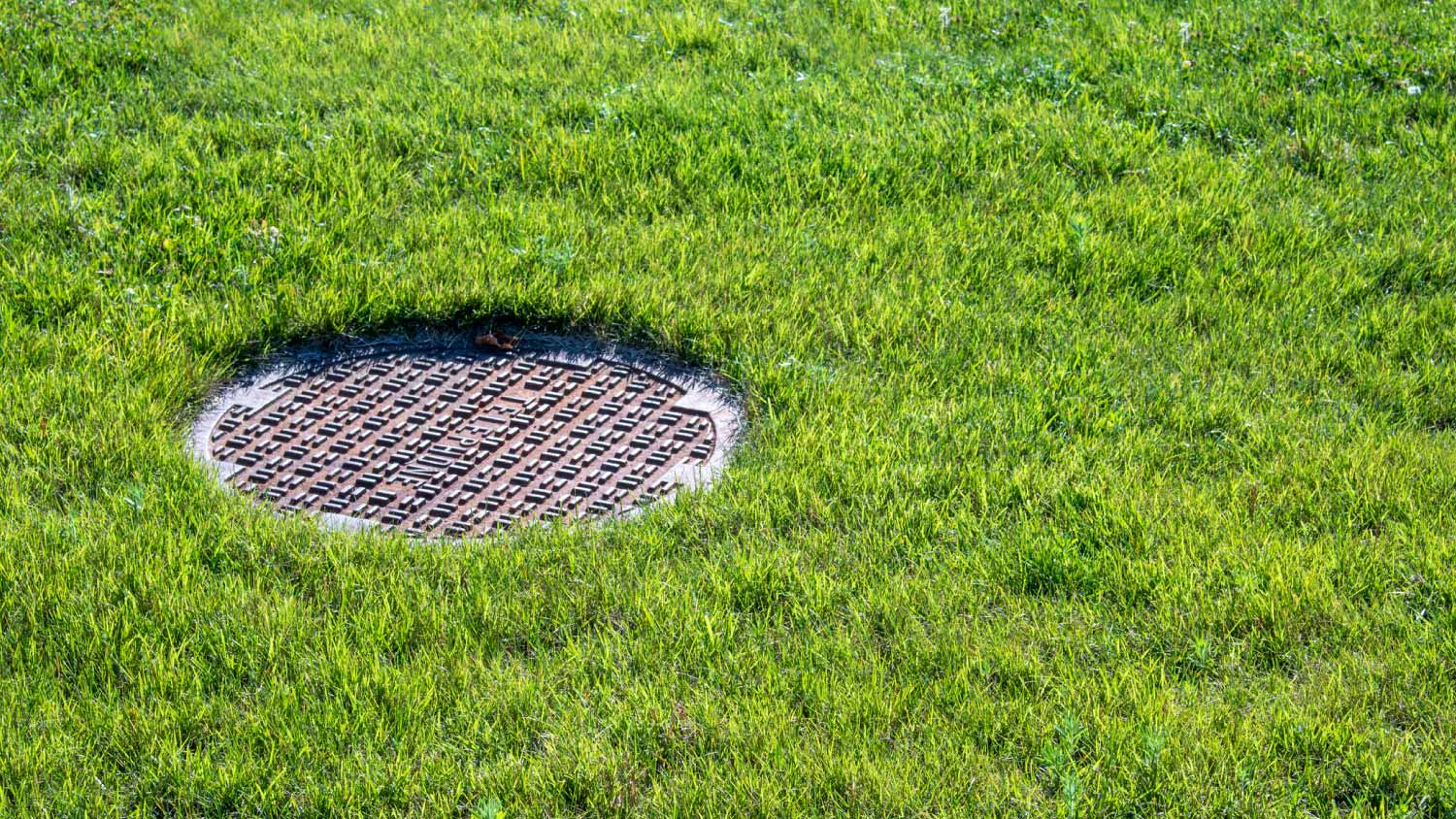
Start by finding the septic tank, marked by an access lid near your home. From there, the drain field extends outward in a series of trenches. Look for greener, lusher grass, as drain fields promote plant growth due to moisture and fertilizer. You can also check property records, use a soil probe to detect damp soil, or hire a septic professional with ground-penetrating radar equipment to map the drain field’s location.

The Forsyth, IL homeowners’ guide to septic tank services

From average costs to expert advice, get all the answers you need to get your job done.