




Top-rated drywall pros.

Get matched with top drywall pros in Teton, ID

Enter your zip and get matched with up to 5 pros

Need a pro for your drywall service project in Teton, ID?

Select your specific project to find the pro for you.

Find Drywall pros in Teton

Avatar for Red Wind Management LLC
Red Wind Management LLC
5.0(
10
)
Drywall - Repair

Serving Teton, ID and surrounding areas

Approved

In business since 2024

Emergency services offered

Warranties offered

"Jared was easy to work with, prompt in his communication, and completed the work skillfully and quickly. He left no mess behind, made no attempt to upsell, and the price was very reasonable. We will absolutely be using this company in the future! Highly recommended."
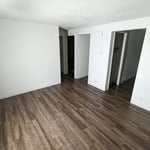
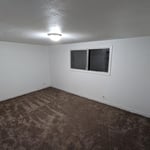
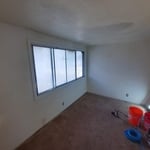
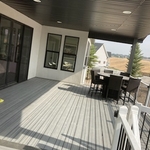
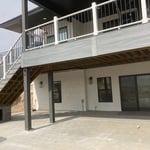
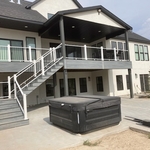
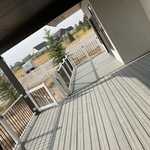
Apt Remodel
Apt Remodel
Apt Remodel
Apt Remodel
Apt Remodel

+5

4 neighbors recently requested a quote
Rawson Drywall, LLC
4.8(
3
)
Drywall - InstallDrywall - Install - For BusinessDrywall - Repair+1 more

Serving Teton, ID and surrounding areas

In business since 2022

Free estimates

Offers commercial services

"He was professional, was able to start in a timely manner, and was finished before his projected deadline. Charlie was able to answer all my questions and explain in detail what would be needed and where it would be used. His crew members were polite and respectful at all times."
Response time1 day
Response rate91%
Recommended by100%of homeowners
...
Showing 1-10 of 62
Drywall questions, answered by experts

When doing a DIY paint job, it can be tricky to achieve the perfect, straight line between your wall and ceiling. There are several methods, including lining it with painter’s tape and using the “cut in” brush tactic. Some homeowners choose to apply a thin line of caulk to the wall-ceiling seam to create the appearance of a perfect line.

A common cause of separation between a wall and the ceiling is truss lift—this can happen to the ceiling of rooms directly under the attic when the seasons change and wood building materials dry out, shrink, and shift. Roof trusses often dry out at different speeds, and if the bottom pieces dry out faster than the top pieces, they can shrink and pull the attached drywall away from ceilings and walls, causing cracks. Fortunately, truss lift is only a cosmetic problem, not a structural problem, and you can fix it by separating the ceiling drywall from the roof trusses, and patching the cracks.

You can plaster over regular drywall, but it's essential to prepare the surface properly. Before plastering, the drywall should be clean, free of dust, and any loose or peeling paint should be removed. Applying a primer specifically designed for plastering can improve adhesion. Some professionals recommend applying a base coat of plaster or joint compound to create a better surface for the plaster to adhere to. Proper preparation ensures a smooth and durable plaster finish over regular drywall.

All plaster walls will crack over time due to normal house settling and expansion and contraction from temperature and moisture changes. Small, thin hairline cracks are generally not serious and are mostly a cosmetic issue. However, larger or more significant cracks can indicate structural problems.

Here's how to tell the difference:

  • Cosmetic Cracks: Cracks that are 0.5 cm (0.2 inches) or thinner are typically cosmetic.

  • Structural Cracks: Cracks wider than 0.5 cm, excessive or deep cracks, multiple cracks in the same area, or cracks that span around corners can signify a structural or foundation issue. Cracks along the joints where walls meet the ceiling also warrant attention.

For cracks wider than 0.5 cm, structural repair is needed. If a crack is 2.5 cm (1 inch) or wider, or if you notice any signs of a structural problem, it is best to contact a plaster repair professional to assess the damage.

You should wait at least 24 hours for drywall mud to dry before sanding or applying another coat. However, the exact drying time depends on several factors, including the thickness of the application, room temperature, humidity, and the type of compound used. Thicker layers, or projects in high humidity, may require 48 hours or more. Lightweight compounds tend to dry faster than heavier, all-purpose ones. You'll know the mud is ready when it feels completely dry and firm to the touch and has changed to a consistent light color. Sanding too early can cause smudging or gouges, so patience is essential for a smooth finish.

The Teton, ID homeowners’ guide to drywall services

From average costs to expert advice, get all the answers you need to get your job done.