




Top-rated arborists.

Get matched with top arborists in Moreland, ID

Enter your zip and get matched with up to 5 pros

Need a pro for your arboricultural service project in Moreland, ID?

Select your specific project to find the pro for you.

TRUSTED BY MORELAND, ID HOMEOWNERS

  • Average homeowner rating star icon4.3
    Average homeowner rating
  • Verified reviews icon36
    Verified arboricultural services reviews

Find Arborists in Moreland

Woods Stump Removal LLC
4.9(
16
)
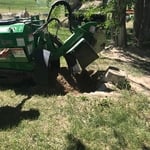
Tree Stump - RemoveTree Stump - Remove - For Business

Serving Moreland, ID and surrounding areas

Approved

In business since 2023

Free estimates

Offers commercial services

"Austin Wood was terrific to work with he ground out six big cottonwood trees stumps for us. He did it in a timely manner and cleaned it all up very impressed with his company Would highly recommend them to anyone. Very satisfied Wendy Bott"
Response time7 hrs
Response rate96%
2 neighbors recently requested a quote

Avatar for Weed Man
Weed Man
3.6(
7
)
Tree Trimming - For Business

Serving Moreland, ID and surrounding areas

Approved

In business since 1981

Free estimates

Warranties offered

"Their aeration costs for a very small yard was over $70. In this area, you can get aeration done for $25 with the size of my yard. Also, they never ended up contacting me. I had to call them twice."
Weed Man Lawn Care
Save on Lawn Care
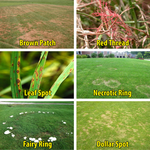
Lawn Disease
Recommended by75%of homeowners
Avatar for Ultimate Stump Grinding, LLC
Ultimate Stump Grinding, LLC
5.0(
32
)
Tree Stump - RemoveTree Stump - Remove - For Business

Serving Moreland, ID and surrounding areas

In business since 2021

Free estimates

Small jobs welcome

"Was looking for someone online, Called immediately. I was willing to come out the next morning but my neighbor wasnâ t ready quite yet. He came out in the morning when my neighbor was ready, he did the work quickly. I wish I had known about him a few years ago."
Near fence removal
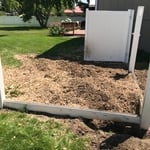
After
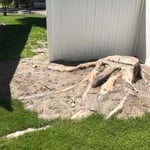
Old stump removal
Pre-cleanup aftermath
Freshly cut tree

+4

Response time1 day
Response rate86%
Recommended by96%of homeowners
Showing 1-10 of 38
Arborists questions, answered by experts

Deciduous shade trees (the type of trees whose leaves fall off in autumn) need to be pruned in late winter—between February and March. That’s because it’s easier to find and remove sick or dead branches when no leaves are present. And wounds close and heal faster in colder temperatures so pruning them at this time also makes them less prone to infection.

It depends on the problem, the affected part of the tree, the risk of the pathogen spreading, and the overall health of your tree. Many diseases, fungal infections, and insect infestations can be successfully treated, especially if the issue is only in a few branches. However, if a disease is too widespread, too severe, too easily spread, or in the roots, the tree will likely need to be removed.

The best time to trim trees is in late fall through winter when the tree has slowed its growing for the year. Cold weather stops insects and fungal growth from attacking a new tree wound. Summer and fall are considered the worst times to trim trees, but it’s permissible in certain scenarios, such as tree disease, damaged branches, or small, aesthetic cuts.

The cost of professional tree trimming averages $460, with a typical range between $200 and $760. However, prices can be as low as $75 or as high as $1,800 depending on several factors. The size and type of the tree are major cost drivers; for example, trimming Crepe Myrtle trees costs an average of $80 to $400, while trimming giant pine trees can range from $200 to $1,800. Other factors that influence the price include the time of year, as services are often more costly in the spring. The tree's accessibility and your location also play a role, as a remote or hard-to-reach tree may increase the cost. Some professionals may offer a discount if you have multiple trees to trim.

Palm trees are unique in that their roots don't grow straight down; they grow horizontally. Typically, palm tree roots go down between 12 and 36 inches deep. The roots grow far and wide from the base of the palm tree to absorb as much water and soil nutrients as possible. In addition, the horizontal roots are also very strong—keeping palm trees stable and helping them sway during storms.

The Moreland, ID homeowners’ guide to arboricultural services

From average costs to expert advice, get all the answers you need to get your job done.