






Top-rated arborists.

Get matched with top arborists in Carey, ID

Enter your zip and get matched with up to 5 pros

Need a pro for your arboricultural service project in Carey, ID?

Select your specific project to find the pro for you.

Find Arborists in Carey

CT Landscaping
New to Angi
Tree RemovalTree Stump - Remove

Serving Carey, ID and surrounding areas

Approved

In business since 2019

Free estimates

Credit card accepted

We take great pride in our experience, expertise, quality and customer service, that we provide to meet the consumer's needs. It is our mission to provide excellent workmanship, and complete customer satisfaction, from start to completion of a project. In order to understand the needs and expectations of our customers, we take great care to work and communicate, with every customer in a professional manner. Our reputation is based on service, safety and quality, regardless of how large, or small the job. Call us today!

Avatar for Ironforged Excavation
Ironforged Excavation
5.0(
2
)
Tree Stump - RemoveTree Stump - Remove - For Business

Serving Carey, ID and surrounding areas

In business since 2024

Free estimates

Small jobs welcome

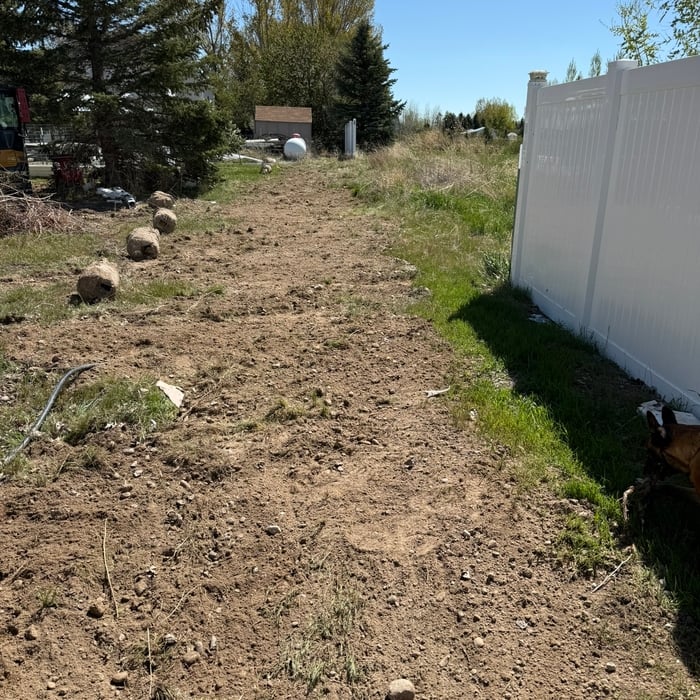
"Ironforged Excavation recently completed work on my property and I couldn't be more impressed. They not only delivered on their initial quote with exceptional quality but also went above and beyond by tackling several smaller projects I'd been putting off, including filling in an old trampoline hole. My garden beds look fantastic, and the brush and tree clearing they did has truly transformed the landscape! Will definitely be hiring for future projects! Fair pricing for the work the completed! Will definitely be hiring for future projects :)"
Foundation
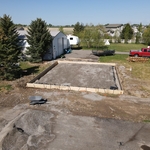
Concrete pad prep
Concrete pad prep
Concrete pad prep
Fence post Removal

+7

Response time7 hrs
Response rate86%
Showing 1-10 of 21
Arborists questions, answered by experts

You can use the formula mentioned earlier to calculate the depth of tree roots. Each inch of width of a tree trunk translates to six inches of depth within the root system. Large trees extend anywhere from 2 to 6 feet into the ground, with some magnificent specimens going even deeper.

The amount of time it takes for a tree trunk to rot depends on several factors, including the tree’s size, species, and environmental conditions. It can take anywhere from a few years to several decades for a tree’s trunk to rot. A tree stump, on the other hand, can take up to 10 years to disappear after it’s decayed naturally.

Generally, you do not have the right to take fruit from a neighbor's tree, even if the branches overhang your property. The fruit is considered the property of the tree's owner. While you may have the right to trim branches that cross into your yard, the fruit on them typically still belongs to your neighbor. However, laws can vary by state and municipality. In some areas, branches that extend into your yard or trees that straddle a property line may entitle you to some of the fruit. The best course of action is to speak with your neighbor, as they may be happy to share. If a conversation is not possible, check your local regulations before picking any fruit.

The fastest ways to remove a tree stump are by grinding it or burning it.

Stump grinding is often the quickest method, with professionals able to chip away a stump and its roots within a single session. You have the option to hire a professional stump removal service or rent a stump grinder to do it yourself. However, it's important to note that these machines can be large, difficult to transport, and dangerous to operate without prior experience. For safety reasons, hiring a local arborist or landscape specialist is often recommended.

Burning is another fast option. Before you begin, check your local burn laws. The process involves drilling holes into the stump, filling them with vegetable oil, and waiting 24 to 48 hours. Afterward, you can add charcoal bricks to the surface and light the fire, which must be attended at all times.

For a more affordable but much slower alternative, you can use potassium nitrate pellets to accelerate the natural decomposition process. This method typically takes four to six months.

The best time to prune Japanese flowering cherry trees depends on where you live and the type of flowering cherry tree. Some trees benefit from being pruned toward the end of winter or early spring, after the last freeze. Meanwhile, other trees do well after blooming, in late spring or early summer. Avoid pruning your flowering cherry tree in the early winter, as this encourages open wounds that can lead to infections or infestations. 

The Carey, ID homeowners’ guide to arboricultural services

From average costs to expert advice, get all the answers you need to get your job done.