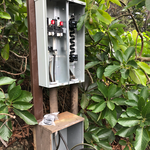
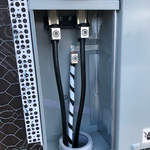
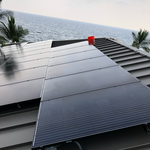
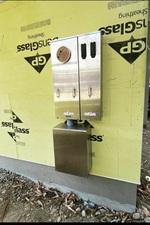
"Kyle @DKN electrical could not have done a better job. He was on time for every appointment, knowledgeable, courteous, worked clean, and highly skilled. I can wholeheartedly recommend DKN electrical."
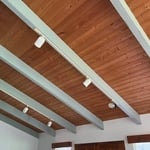
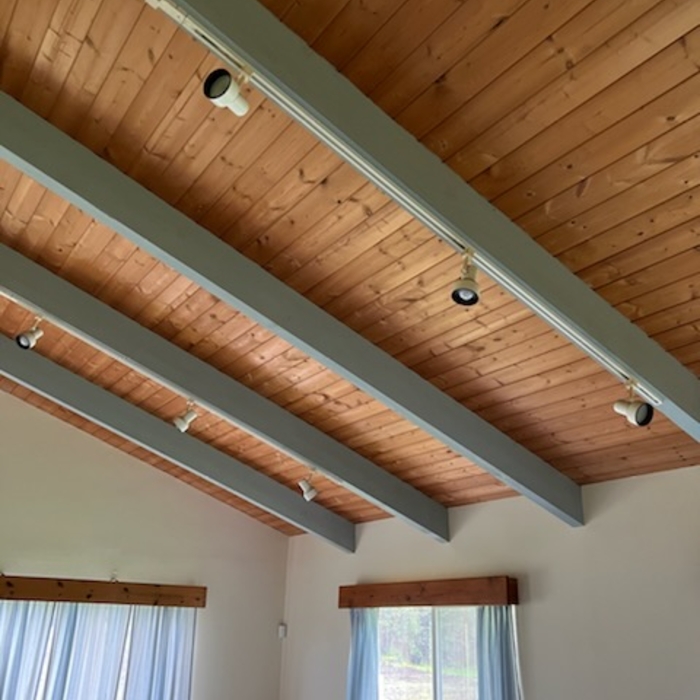
"Daniel was extremely responsive, positive from hearing description of my electric problem, offered same day assessment. Once he diagnosed the problem and described plan of treatment, I was able to relax. Daniel immediately searched for replacement materials and committed to fixing the next day. The new ceiling lights installed with damaged wiring replaced, and job done as promised. Text communication, receiving invoice by email, all made this a positive experience. Thank you for excellent, professional service! I highly recommend ultimate electric for any electrical services!"
Keoua Dayton handyman is a locally owned and operated company that values honesty and integrity in all aspects of our business. Our dedicated team of professionals have years of hands-on experience, to provide innovative ideas and suggestions tailored to your projects. Our services are customized to your individual needs, paying close attention to the details of each project that we are involved with. Please feel free to contact us today!
"Dana was awesome ! I needed to move and install a couple electrical outlets for the master bedroom. He Showed up the next day and finished the job in no time. And cleaned up the area after he was done. I would describe him as a true professional ! Not only was he honest and reliable but also just a good dude! I highly recommend him if need electrical work done. Mahalo Dana"
"Rewired my whole house, put in a new breaker box and put in inset lighting in every single room. He also added lights around the exterior of the house and electric plugs. He did an amazing job and was super fair! Sammy is super thorough and clearly knows what he's doing! My house is lit up and looking great thanks to him!"
Hokule'a Home Services & Electric is committed to excellence in every aspect of our business. We uphold a standard of integrity bound by fairness, honesty, and personal responsibility. Our distinction is the quality of service we bring to our customers. Accurate knowledge of our trade, combined with over 6 years of experience, is what makes us true professionals. Above all, we are watchful of our customers' interests and make their concerns the basis of our business.
"The electrician Alsup Electric was excellent. Responsive,timely and did what a fine job in fixing the problem I rated B more because of AHS service that was slow and complicated"
Yes, the National Electric Code (NEC) requires at least one GFCI outlet in each sectioned-off portion of an unfinished basement, partly to ensure a power source is available for a sump pump in case of flooding. If you install multiple outlets in your unfinished basement, all of them must be GFCI-protected. For finished basements, standard outlets are generally permitted, but at least one GFCI outlet is still required per circuit. Keep in mind that local municipalities may have additional codes, so it's best to consult a licensed electrician to ensure your home is fully compliant.
Schedule regular inspections, clean fixtures, and replace worn-out components promptly.
Yes, you can convert a gas water heater to an electric one, but it is a complex process. You will need to ensure there is adequate power for the new electric unit, as they require more power than gas models. The project also involves safely closing off the gas lines and ventilation, and some cities may require a permit for the conversion. The cost can range from $1,500 to $4,100, depending on the installation scope, plumbing and electrical work, and the water heater model. For an accurate quote, it's best to contact a local professional. Also, be aware that your monthly utility bills may increase after the conversion, as natural gas is typically cheaper than electricity.
You can have power but no lights if the light switch is damaged. A damaged light switch is often caused by regular wear and tear or loose wires. In addition, simple problems such as a burnt-out light bulb or an unplugged lamp could be the cause of not having working lights.
While most electrical items can be plugged into a GFCI outlet, some appliances with internal or stationary motors, such as refrigerators, vent fans, and fluorescent lighting, can cause nuisance tripping. This happens because they experience a small, normal amount of current leakage, which can cause the GFCI to trip even when the appliance is working correctly. Although this is not a safety hazard, it can be inconvenient and may cause the GFCI outlet to wear out faster. For this reason, it is often better to plug these types of appliances into a standard outlet. Additionally, electrical circuits over 100 feet long can sometimes cause tripping. Some appliances, like hair dryers, have their own built-in GFCI protection, so connecting them to a standard outlet is fine.
The Mountain View, HI homeowners’ guide to electrical services
From average costs to expert advice, get all the answers you need to get your job done.
Before you hire a licensed electrical contractor, you should learn the cost to run electric from the road to your house so you can budget for the project.
Whether you’re shopping for a new home or simply doing a safety check on your current place, learn what factors influence an electrical inspection cost.
Is it time to upgrade your electrical panel? For the sake of safety, find out sooner than later by exploring our top signs that it’s time for an upgrade.