"Best electric company in Kona! I’m absolutely blown away by the level of professionalism and dedication Ultimate Electric provided me on many of my renovation projects. 100% satisfied with Daniel and his crew. He is always on time every time, consistently fast, easy to deal with and fairly affordable. I highly recommend!"
"It's about two hours after I shared my electrical issue on Angi when I received a call from Jordan West willing to help me out. He was in Hilo side and was about to head out to Kona. So he asked me about my electrical issues and I explained it to him. He asked me to take pictures of my main panel box and the type of breaker. I sent him the pictures and all the informations and he showed up hours later, did some tests, replaced the breaker and BOOM, there was light. Everyone in the house were happy. It only took him two minutes of work to restore back electricity to my home. I am forever grateful for this particular gentleman a job well done. Way to go Jordan West and your company. I will definitely hire him again whenever I encounter electrical issues in the future. Much Mahalo Jordan West."
"Immediately came out and looked at my electrical problem of needing a 50 amp circuit for a new induction oven. I was told it couldn't be done by another electrician He knew exactly how to do the job and showed up at scheduled time and installed the new wiring...Fast efficient and dependable a hard combo to find in Hawaii ...."
"They were able to restore power to a very complex lighting system at AT&T in Kona. I would highly recommend their services. Definitely a commercial lighting expert."
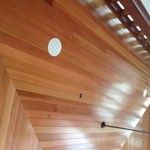
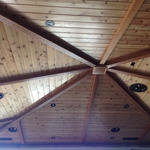
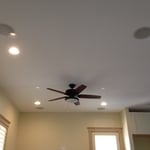
"Rewired my whole house, put in a new breaker box and put in inset lighting in every single room. He also added lights around the exterior of the house and electric plugs. He did an amazing job and was super fair! Sammy is super thorough and clearly knows what he's doing! My house is lit up and looking great thanks to him!"
Doorbell wires typically won't spark because they carry low voltage. However, if there's a short circuit or damaged wiring, sparking could occur. Always turn off the power at the breaker box before working with doorbell wires to prevent any risk. If you notice any sparking, it's a sign of a problem that a professional electrician should address.
Yes, a leaking water heater can damage electrical work. Water can seep into electrical components, causing short circuits, tripped breakers, or even fires. The combination of water and electricity is quite hazardous, so it's crucial to address any leaks immediately to prevent electrical damage and ensure your home’s safety.
A 10,000-watt generator can run a small to mid-sized central AC unit (typically up to 3 tons or 36,000 BTU) along with a few other appliances. However, larger AC units or additional loads will require a bigger generator. Consult a local generator installer to ensure you add the correct size generator to your home.
The number of outdoor outlets that can be on one circuit depends on the circuit's capacity and the electrical load of each outlet. Outdoor outlets should ideally be on a dedicated circuit that is not shared with other outlets, and each outlet should be rated for at least 15 amps. A circuit rated for at least 20 amps is recommended. It’s important to use GFCI protection for all outdoor outlets to prevent electrical shocks. Overall, it's crucial to avoid overloading the circuit and take necessary safety precautions.
If there’s already a suitable outlet near the range, you likely won’t need an electrician to install an over-the-range microwave. However, if there isn’t an existing outlet or the current one doesn’t meet the microwave’s power needs, you’ll probably need an electrician to install a new outlet.
The Holualoa, HI homeowners’ guide to electrical services
From average costs to expert advice, get all the answers you need to get your job done.
Before you hire a licensed electrical contractor, you should learn the cost to run electric from the road to your house so you can budget for the project.
Whether you’re shopping for a new home or simply doing a safety check on your current place, learn what factors influence an electrical inspection cost.
Is it time to upgrade your electrical panel? For the sake of safety, find out sooner than later by exploring our top signs that it’s time for an upgrade.