"Kyle @DKN electrical could not have done a better job. He was on time for every appointment, knowledgeable, courteous, worked clean, and highly skilled. I can wholeheartedly recommend DKN electrical."
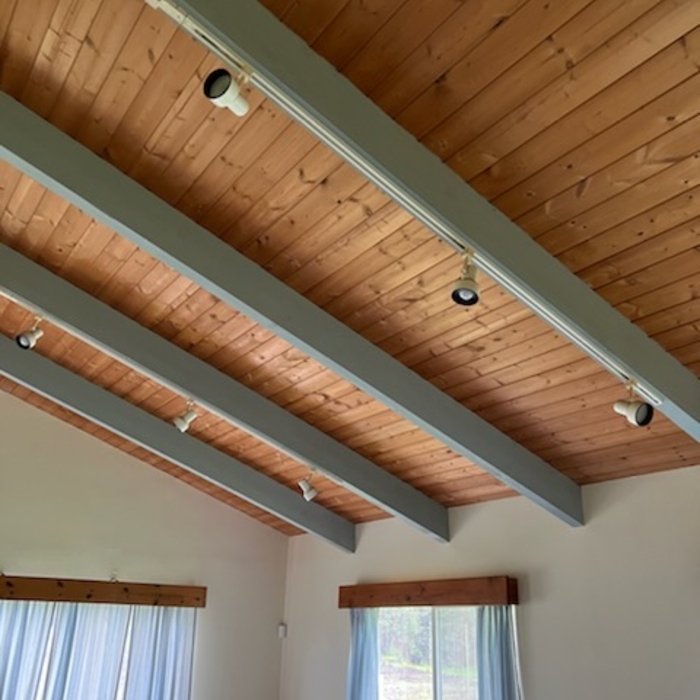
"Daniel was extremely responsive, positive from hearing description of my electric problem, offered same day assessment. Once he diagnosed the problem and described plan of treatment, I was able to relax. Daniel immediately searched for replacement materials and committed to fixing the next day. The new ceiling lights installed with damaged wiring replaced, and job done as promised. Text communication, receiving invoice by email, all made this a positive experience. Thank you for excellent, professional service! I highly recommend ultimate electric for any electrical services!"
Keoua Dayton handyman is a locally owned and operated company that values honesty and integrity in all aspects of our business. Our dedicated team of professionals have years of hands-on experience, to provide innovative ideas and suggestions tailored to your projects. Our services are customized to your individual needs, paying close attention to the details of each project that we are involved with. Please feel free to contact us today!
"Tevita was very punctual, he always called or texted to keep me informed of when he would be arriving or when he would be able to call me back! That NEVER happens! He arrived the same day to look at the "job", I received an estimate that evening, as promised, and he returned ON TIME the next day to install my fixtures and finish the work. His prices are more than reasonable and he is respectful of your home and needs! I would recommend him to ANYONE with electrical needs and I do plan to hire him again in the future! It is so rare to find any repairmen or handymen that deliver this level of service while being punctual and respectful for these prices!!! Thank you Tevita at Top Electrical!!"
"I have had a huge issue for 6 issues at my rental property...Several electricians came out, and could not find it, but Isaiah did...So the issue was a crazy voltage drop on all my circuits when I ran the washing machine. It turns out that when the place was built, multiple sizes of gauge wire were used, and a thin wire created a voltage drop. I can not say thank you enough for actually figuring it out. Isaiah also dropped the bill down to half price because I'm a brokie. Thank you so much."
"Rewired my whole house, put in a new breaker box and put in inset lighting in every single room. He also added lights around the exterior of the house and electric plugs. He did an amazing job and was super fair! Sammy is super thorough and clearly knows what he's doing! My house is lit up and looking great thanks to him!"
Multiple wire sizes are used for residential electrical purposes. While the most common sizes used in homes are 14 and 12 gauge, some appliances, such as stoves, electric water heaters, central air units, etc., may use larger gauge wire to accommodate their larger amperage. Typically, larger appliances require 10-, 8-, or 6-gauge wires.
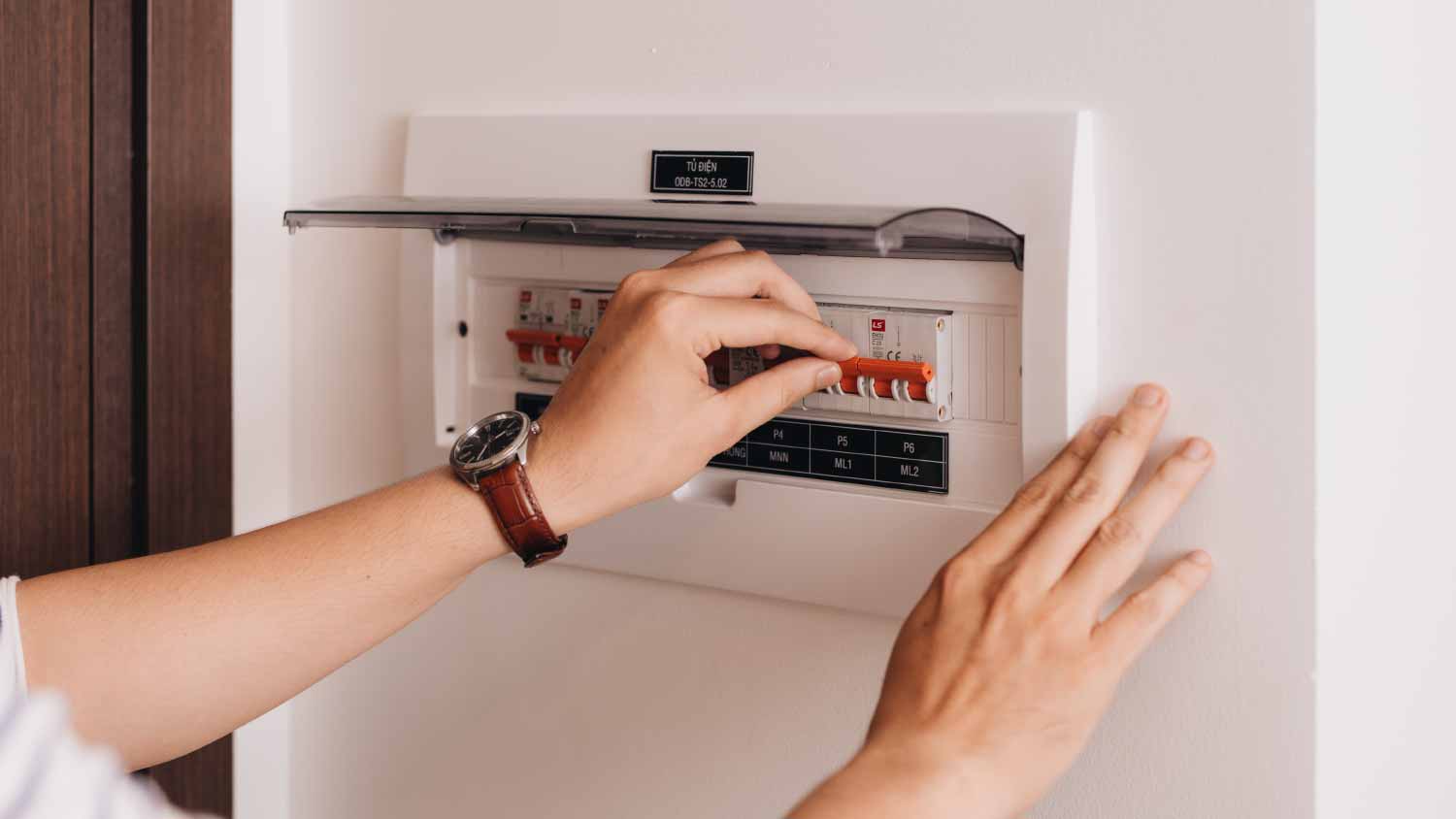
The life expectancy of a circuit breaker is 30 to 40 years. However, how long your circuit breaker lasts depends on the condition of your electrical equipment, the amperage, your electrical consumption, and more. A breaker box that frequently trips from overload will last much shorter than a breaker box with the proper amperage for the number of devices and appliances in use. If your circuit breaker trips frequently, and you have also increased your electrical consumption, it may be worth upgrading your electrical panel to extend your electrical system’s lifespan—and save you the hassle of frequent power trips.
Modern homes have a lot of devices and appliances running at once. That means there are many different wires and cables throughout the house. Service entrance conductors (also known as service entrance cables or service feed wires) connect the external weatherhead for the utility pole to the circuit breaker box. This is your home’s connection to your local power grid.
There is no blanket figure for a residential home’s electrical load, since load varies by the size of the home, how many appliances are used, and the efficiency of their electrical systems. Typically, however, it’s safe to assume 40 to 60 amps is the average electrical load of a residential home.
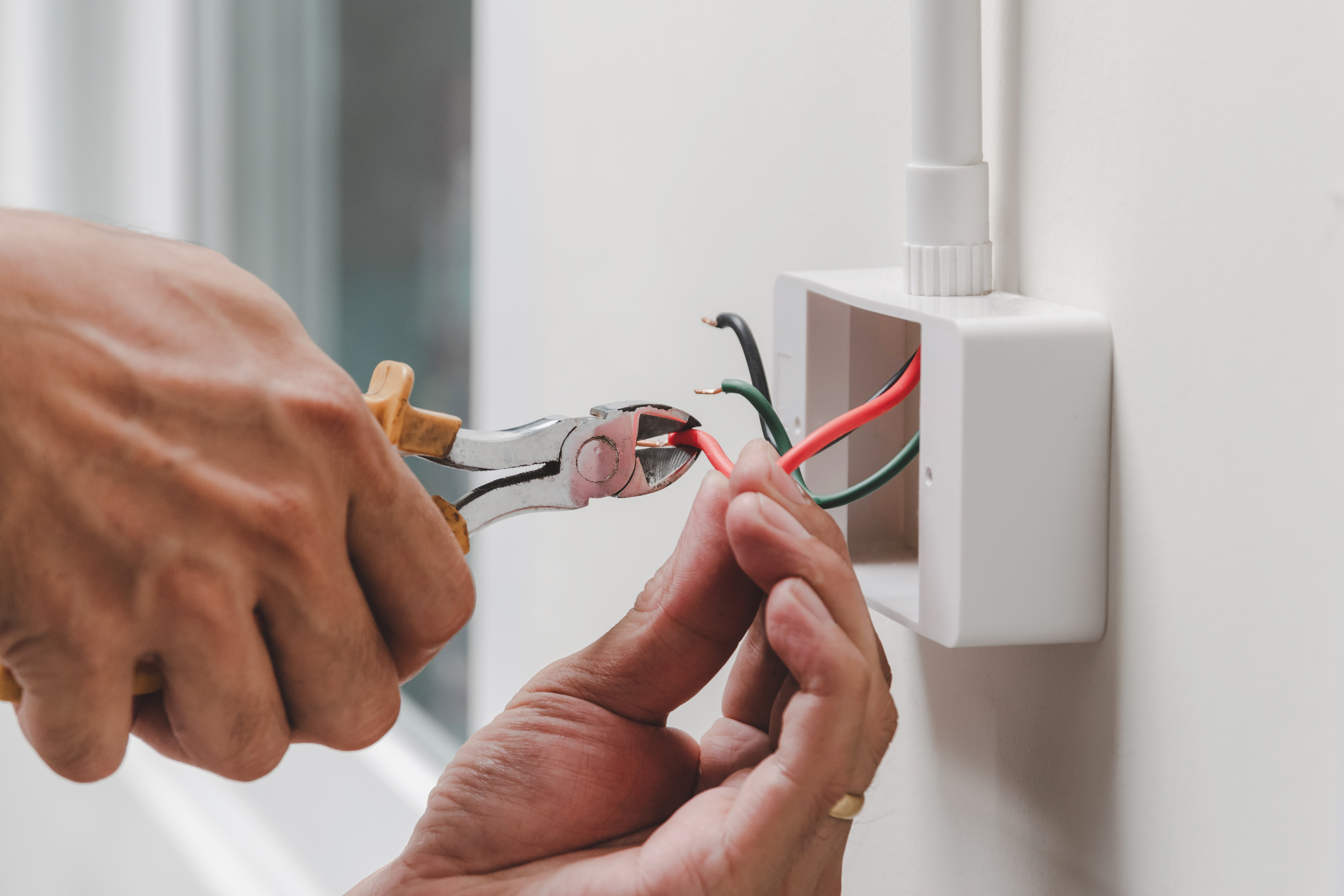
The most common gauge for indoor outlets around your home is 12- and 14-gauge wires. But if you’re working with larger appliances like ovens, washing machines, or dryers (all of which require more amplitude), you might find 10-, eight-, or six-gauge wires to help support those hefty appliances.
The Volcano, HI homeowners’ guide to electrical services
From average costs to expert advice, get all the answers you need to get your job done.
Is it time to upgrade your electrical panel? For the sake of safety, find out sooner than later by exploring our top signs that it’s time for an upgrade.