



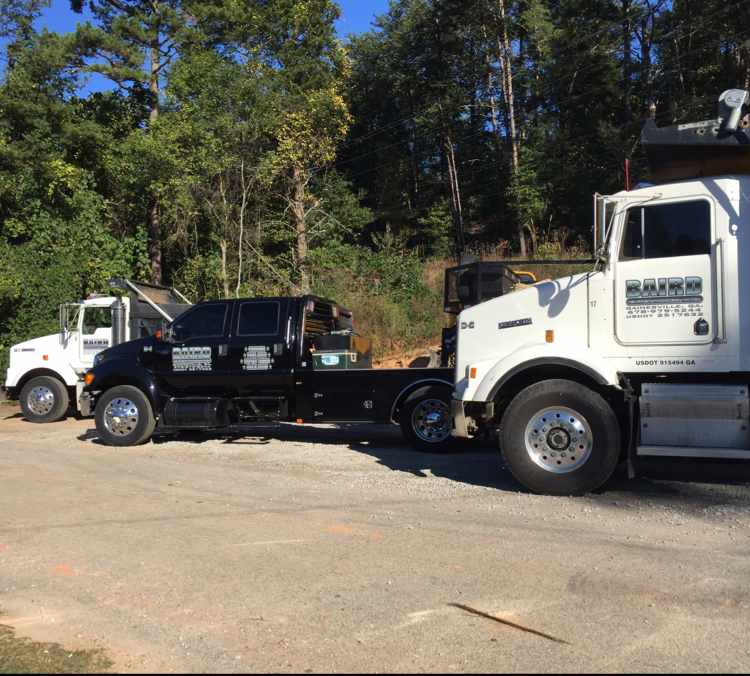

Top-rated excavation pros.

Get matched with top excavation pros in Hampton, GA

Enter your zip and get matched with up to 5 pros

Need a pro for your excavation project in Hampton, GA?

Select your specific project to find the pro for you.

TRUSTED BY HAMPTON, GA HOMEOWNERS

  • Average homeowner rating star icon4.5
    Average homeowner rating
  • Verified reviews icon49
    Verified excavation services reviews

Find Excavation pros in Hampton

...
Showing 1-10 of 304
Excavating questions, answered by experts

Yes. A metal detector is one of the quickest and easiest ways to find your septic tank. However, metal detectors can be too expensive (costing upward of $300 in some cases), and not everyone has a metal detector just lying around. If that’s the case for you, you can also take a long metal rod and poke it into the ground at regular intervals until you hit something—likely your septic tank lid.

Digging out a basement takes anywhere from a few days to a few months. Most projects take at least two to five weeks, but it could take several months if you encounter obstacles. This project takes longer if you need to brace or raise your home before the excavation. Digging out a basement in new construction can take as little as three days.

Excavations take a few days or up to a few weeks. The time it takes to excavate an area depends on the size of the area, the type of soil, the type of excavator, and even the time of year, since winter can make digging up the ground more difficult.

Concrete blocks are the cheapest way to base a shed. However, the space in between allows critters to go under, burrow, and even damage your shed’s frame. For a more pest-proof option, consider building a shed base with gravel or paver stones. Both options are fairly affordable and easy enough for a DIY project. For gravel, you can build a wooden frame to contain the loose material.

The best way to protect tree roots is to avoid the roots entirely by excavating outside the root radius of the tree. For nearby projects, it’s a good idea to construct a temporary retaining wall. But that’s not always possible, depending on the project and the root system. In these cases, consider using alternative equipment like an auger to tunnel under the ground.

Remember, tree roots can damage nearby cement foundations as they grow. If a tree is close enough to interfere with large excavations, it may be better to remove the tree than risk future problems.

The Hampton, GA homeowners’ guide to excavation services

From average costs to expert advice, get all the answers you need to get your job done.