

Top-rated excavation pros.

Best excavation pros near Avondale Estates, GA

Enter your zip and get matched with up to 5 pros

Need a pro for your excavation project in Avondale Estates, GA?

Select your specific project to find the pro for you.

TRUSTED BY AVONDALE ESTATES, GA HOMEOWNERS

  • Average homeowner rating star icon4.8
    Average homeowner rating
  • Verified reviews icon21
    Verified excavation services reviews

Top-Rated Excavation pros in Avondale Estates - Updated Nov 2026

Avatar for Peachtwins Landscapes, LLC
Peachtwins Landscapes, LLC
4.4(
336
)
Landscape - Minor Grading or ReslopingExcavation - Major Grading or ReslopingExcavation - Major Grading or Resloping - For Business

Serving Avondale Estates, GA and surrounding areas

Approved

Super Service Award Winner

In business since 2009

Free estimates

Warranties offered

"I have been stressing for a while with trying to decide what to do about years of erosion and damage from an Oak tree that I loved dearly. Darrell came out, walked the property, offered suggestions that made sense and worked within my budget. Job was completed (tree removed, retaining wall built to stop erosion and sodded) in less than one week. I have another tree to be removed and lawn sodded and I have my guy! Thanks Angi and Peachtwins!"
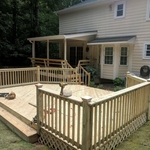
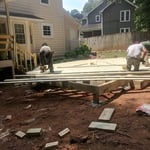
Wooden Deck Install
Wooden Deck in progress
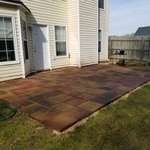
Paver Stones Patio
2 Tier Retaining wall w/ steps
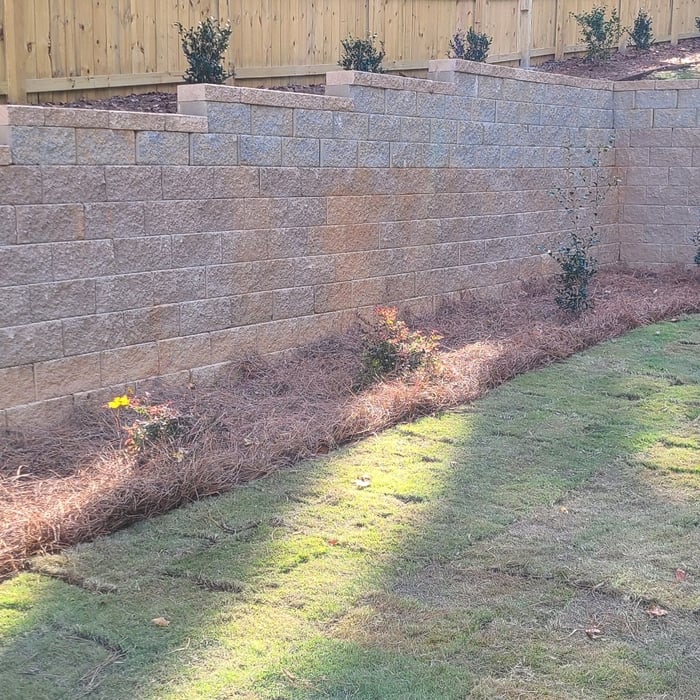
Block stone retaining wall

+29

Response time9 hrs
Response rate88%
61 neighbors recently requested a quote
C & C Lawncare
4.3(
55
)
Landscape - Minor Grading or Resloping

Serving Avondale Estates, GA and surrounding areas

Approved

In business since 2004

Free estimates

Credit card accepted

"Great experience. Chris is super professional and very responsive. He is very knowledgeable about his craft and his prices super reasonable. I am so glad I found this company and look forward to using their services for future lawn care projects. I used them to trim my shrubs and a trees and was so satisfied with the quality of work I received that I will be using them for larger lawn projects as well."
Response time1 day
Recommended by100%of homeowners
JP Outdoor Solutions LLC
5.0(
4
)
Landscape - Minor Grading or Resloping

Serving Avondale Estates, GA and surrounding areas

Approved

In business since 2024

Free estimates

"I worked w/ Jacob on several projects centered around a pool build, which included various aspects from grading to sprinkler repairs. Jacob was PHENOMENAL! He showed up on time, kept his word throughout the process, and showed up to work w/ a great spirit and attitude to the day! I’d strongly recommend Jacob and plan to leverage him and his company in the future!!"
...
Showing 1-10 of 361
Excavating FAQs, answered by experts

Consultation with the local government helps identify necessary permits, avoid project delays or legal issues, and protect project integrity.

Digging a bush up by the roots is the most natural DIY method for removing a bush stump. Start by identifying the shrub type and revealing its roots. Cut the shrub to its base and loosen the soil, ensuring no utility lines are nearby. Optionally, treat the base with herbicide, then dig around the roots and cut a circle around the shrub using various tools. Dig a trench, cut the base of the root ball, and finally fill the hole to prevent regrowth. This thorough process ensures complete removal without damaging surrounding areas.

Depth is not a qualifying component of evacuation. Any human-made cut, cavity, or depression in the earth’s surface is considered excavation. The hole from excavation can be any size, shape, or depth. Excavation is used to create foundations, reservoirs, drainage ditches, and roads. Long, narrow excavations are called trenches and are often used for underground utilities.

There is no standard depth for burying a septic tank; they are typically buried anywhere from 4 inches to 4 feet underground. The final depth depends on several factors, including the depth of your main sewer line, the height of the bedrock, soil type, local regulations, and the property's landscape. If you plan to grow grass or plants over the tank, a depth of at least 4 to 6 inches is recommended. Deeper tanks can be more difficult to locate, but a septic professional can help find it for you.

Septic drain lines (or leach lines) are typically buried between 18 and 36 inches underground, and should be at least 6 inches below the surface. These pipes are perforated and surrounded by filtering materials like sand or gravel. Burying the lines at this depth helps minimize odors and allows bacteria and other biological processes in the soil to effectively treat the wastewater. Burying lines too close to the surface can cause issues unless the soil is very compact and stable.

The Avondale Estates, GA homeowners’ guide to excavation services

From average costs to expert advice, get all the answers you need to get your job done.