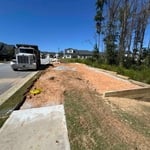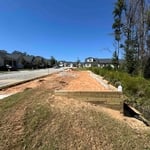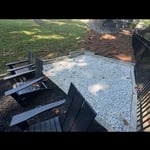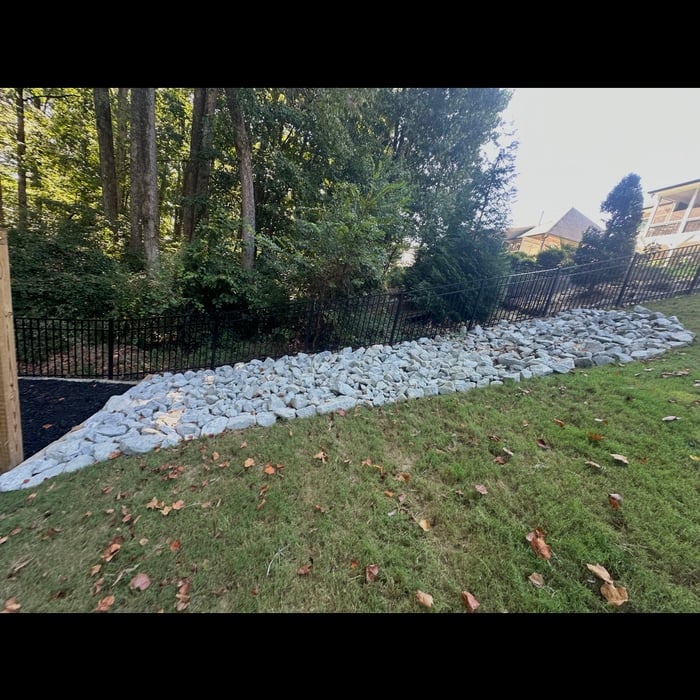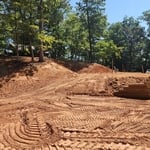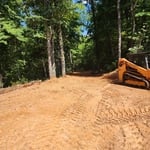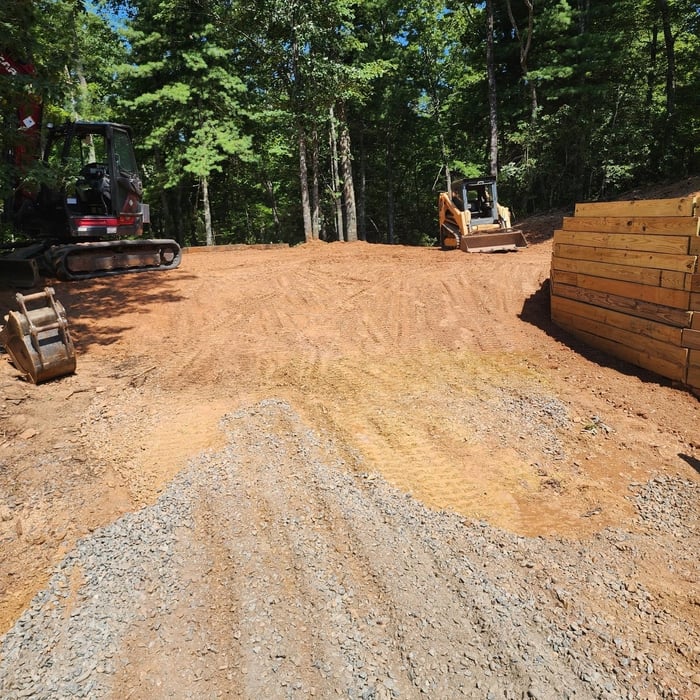



Top-rated excavation pros.

Best excavation pros near Lilburn, GA

Enter your zip and get matched with up to 5 pros

Need a pro for your excavation project in Lilburn, GA?

Select your specific project to find the pro for you.

TRUSTED BY LILBURN, GA HOMEOWNERS

  • Average homeowner rating star icon4.7
    Average homeowner rating
  • Verified reviews icon59
    Verified excavation services reviews

Top-Rated Excavation pros in Lilburn - Updated Nov 2026

Avatar for Southern Acres Landscape LLC
Southern Acres Landscape LLC
5.0(
20
)
Landscape - Minor Grading or Resloping

Serving Lilburn, GA and surrounding areas

Approved

In business since 2025

Free estimates

Warranties offered

"David and his crew did a wonderful job. They are extremely professional, responsive/timely and do good work. We have contracted them for several landscaping projects now and haven?t been disappointed! I would highly recommend."
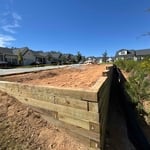
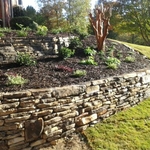
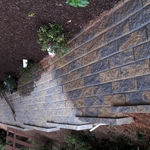
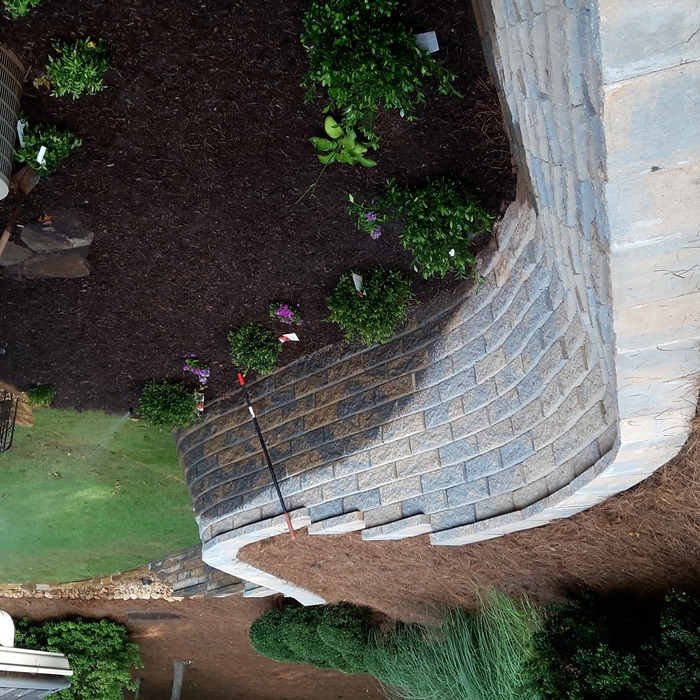
Retaining wall
Retaining wall
Retaining wall
New landscape
New landscape

+13

3 neighbors recently requested a quote
Recommended by35%of homeowners
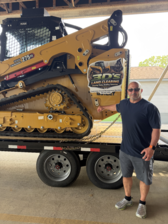
Avatar for Ortiz Landscaping Services
Ortiz Landscaping Services
4.1(
158
)
Excavation - Major Grading or ReslopingLandscape - Minor Grading or ReslopingBuilding Site - Preparation and Clearing+2 more

Serving Lilburn, GA and surrounding areas

Approved

In business since 2003

Free estimates

Emergency services offered

"Felepe Ortiz has landscaped your yard for the last 10 + years . He has installed zoysia sod, planted new trees and shrubs. Also, he has trimmed, removed trees and installed pavers. Ortiz is a visionary landscaper who designs , adds to yard over time. We’re fortunate to have him do “cleanups”, he always has great ideas for additional plantings!"
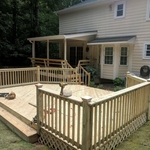
Additional Photos
Additional Photos
Additional Photos
Additional Photos
Additional Photos

+33

16 neighbors recently requested a quote
Recommended by90%of homeowners

Avatar for Talpes Landscape & Grading LLC
Talpes Landscape & Grading LLC
5.0(
13
)
Landscape - Minor Grading or Resloping

Serving Lilburn, GA and surrounding areas

Approved

In business since 2023

Free estimates

Small jobs welcome

"We hired Stephen originally to install new sod in our front yard after having some large trees removed. He did such a great job we have had him do several other projects that have transformed our entire yard. He is professional, knowledgeable and a dedicated worker. I wouldnâ t hesitate to recommend him to others for any landscaping project."
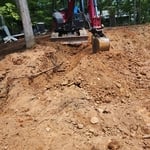
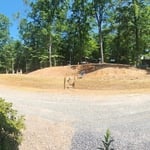
Backyard grading
Backyard grading
Backyard grading
Backyard grading
Backyard grading

+95

Response time4 hrs
Response rate97%
Recommended by100%of homeowners
...
Showing 1-10 of 449
Excavating FAQs, answered by experts

Trenching and boring are two distinct methods for installing underground utilities. Trenching involves digging a channel using equipment like an excavator, trencher, backhoe, or shovel. While it is a simpler process, it causes significant disruption to the surface, landscaping, and surrounding ecosystems.

Boring, also known as directional boring, is a less invasive alternative that uses a drill to create a tunnel for utility lines without disturbing the surface. This method is more precise and is ideal for installations that need to go underneath buildings, roads, or bodies of water. Although boring is less disruptive, it is generally more expensive than trenching.

Water lines are buried at various depths, depending on the type of line. For example, most sprinkler lines are buried between four and 12 inches underground. On the other hand, water mains usually sit between one and 3 feet below ground. However, they can go even deeper in cold climates to prevent freezing.

There are many ways to cut through roots when digging, especially if your trencher doesn’t seem to be removing the roots. First, use a shovel to expose the roots. Then, use gardening shears to clear out smaller roots or a reciprocating saw to remove larger plant roots. If you plan on keeping the plant, avoid cutting any roots over 2 inches thick.

Hardscaping often requires preparation of the ground in the area where the feature is being installed. This can include digging, compacting, and leveling the soil, ensuring adequate drainage, and removing any existing plants. The extent of preparation needed will depend on the type and size of the hardscaping feature being installed.

You can bury underground electrical wire six inches deep—but only if you use a rigid metal electrical conduit. For rigid, non-metallic conduits, bury the wire at least 12 inches deep. If using an underground feeder cable rated for direct burial, you'll need to place it at least 18 inches deep, as it has no conduit for extra protection.

The Lilburn, GA homeowners’ guide to excavation services

From average costs to expert advice, get all the answers you need to get your job done.