

Top-rated electricians.

Best electricians near Trenton, FL

Enter your zip and get matched with up to 5 pros

Need a pro for your electrical service project in Trenton, FL?

Select your specific project to find the pro for you.

TRUSTED BY TRENTON, FL HOMEOWNERS

  • Average homeowner rating star icon4.1
    Average homeowner rating
  • Verified reviews icon73
    Verified electrical services reviews

Top-Rated Electricians in Trenton - Updated Nov 2026

United Lightning Rods
4.9(
64
)
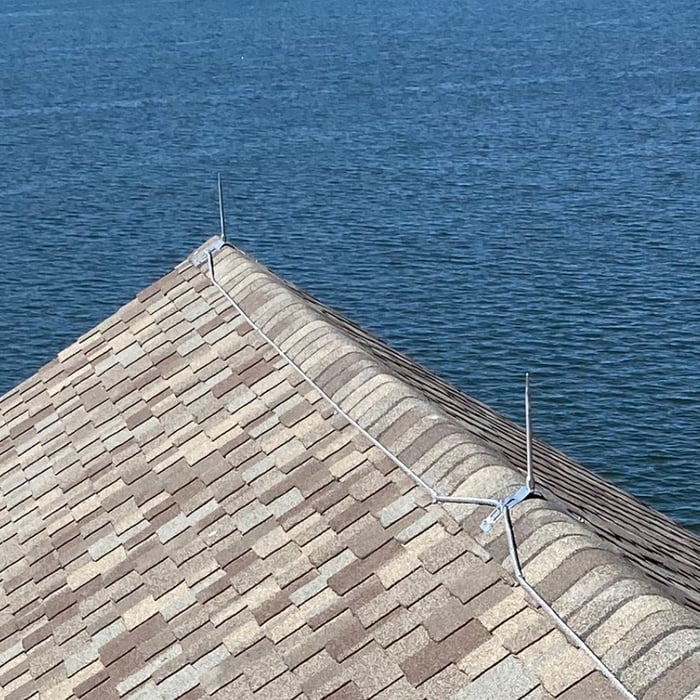
Lightning Protection - Install or Repair

Serving Trenton, FL and surrounding areas

Approved

Super Service Award Winner

In business since 1941

Free estimates

Warranties offered

"Ed Riley is extremely knowledgeable about what causes lighting and how to protect from it. He explained to me which and how structures develop static electricity that lead to lighting discharges in a way that the physics made sense to me. They were also reasonably priced and kept their word. Definitely recommend them."
Response time2 days
Response rate99%
62 neighbors recently requested a quote
Avatar for W B Lightning Rods
W B Lightning Rods
4.6(
372
)
Lightning Protection - Install or Repair

Serving Trenton, FL and surrounding areas

Approved

In business since 2001

Free estimates

Warranties offered

"William and staff responded promptly to my request for service with reasonable pricing. They arrived at the house at the agreed upon time, were respectful of my property, explained the process and completed the work within the specified time frame. They were pleasant, easy to work with and installed a quality lightning rods system. I highly recommend them."
lightning protection
 Residential LPS
lightning protection
 Residential LPS
lightning protection

+79

Response time1 day
107 neighbors recently requested a quote
Recommended by96%of homeowners

Avatar for Sunshine Services
Sunshine Services
4.6(
27
)
Fixed Generator - InstallElectrical Wiring or Panel UpgradeElectrical Switches, Outlets & Fixtures - Install or Repair

Serving Trenton, FL and surrounding areas

Approved

Super Service Award Winner

In business since 2007

Free estimates

Emergency services offered

"We had a great experience with our new AC installation! The entire process was smooth and professional from start to finish. The technicians arrived on time, explained everything clearly, and took great care to protect our home. They completed the installation efficiently, cleaned up afterward, and made sure everything was working properly before leaving. Highly recommend!"
New Water Heater
Over The Years
Gas Line Leak Repair
Leaking Pipes

+3

Response time2 days
29 neighbors recently requested a quote
...
Showing 1-10 of 104
Electrical FAQs, answered by experts

Outlets do wear out, usually within 15-25 years, but they can fail even sooner than that —sometimes in a matter of years. If your plugs always slide out after you put them in, this is a sign your outlets need to be replaced. Additionally, if your outlets are damaged, cracked, discolored, or regularly tripping the circuit breaker, they may be at the end of their life.

Outdoor outlets should be at least 15-amp, but preferably 20-amp. The exact rating will depend on the electrical load of the devices that will be plugged into the outlet and the capacity of the circuit. It's important not to overload the circuit, which can cause safety hazards such as tripped breakers or electrical fires. In general, a circuit rated for at least 20 amps is recommended for outdoor outlets, while each outlet should be rated for at least 15 amps.
Natural gas and electricity rates vary significantly based on location, and pricing can change over time, too. It’s possible that in locations where natural gas is particularly inexpensive, it will cost less than grid-based electricity will. However, you should also factor in the generator’s initial costs and maintenance needs, as well as its noise level and if it can comfortably power all your home appliances.

The key difference between a circuit breaker versus a surge protector is that circuit breakers shield your entire electrical system from overcurrents and faults, while surge protectors defend your electronic devices against voltage surges and spikes. A circuit breaker interrupts the flow of electricity in a circuit when it detects an overload or short circuit, protecting the wiring from damage and preventing fires. In contrast, a surge protector shields electronic devices from voltage spikes, such as those caused by lightning strikes or power surges, preventing damage to the device’s inner mechanics.

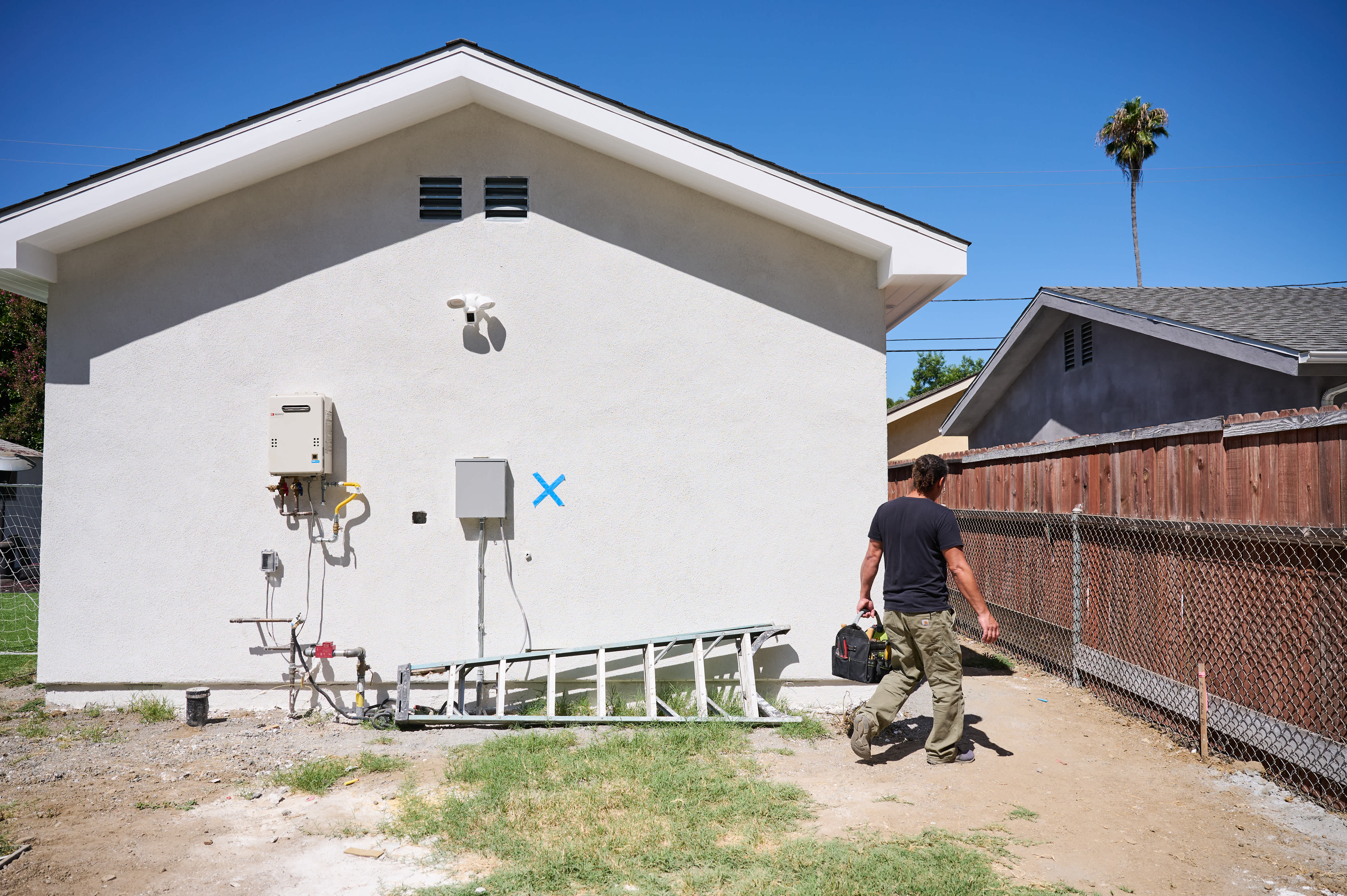
Moving an electrical meter in your home depends on what your electric utility company allows. If you only want to move it a few inches, that may be no problem or only incur light fees. If you want to move it a significant distance, you may need to arrange a utility inspection and get permission, or your utility company may prevent it altogether.

The Trenton, FL homeowners’ guide to electrical services

From average costs to expert advice, get all the answers you need to get your job done.