




Top-rated excavation pros.

Get matched with top excavation pros in Sopchoppy, FL

Enter your zip and get matched with up to 5 pros

Need a pro for your excavation project in Sopchoppy, FL?

Select your specific project to find the pro for you.

Find Excavation pros in Sopchoppy

Avatar for Josh Obryan
Josh Obryan
5.0(
8
)
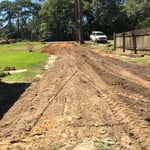
Building Site - Preparation and Clearing

Serving Sopchoppy, FL and surrounding areas

Approved

In business since 2005

Free estimates

Small jobs welcome

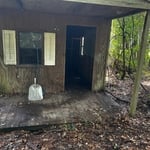
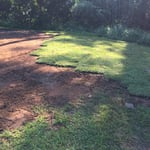
"Great company to work with! Very responsive. They cleared land and mowed and my yard now looks great! Will be using them again! Highly recommend"
Response time11 hrs
3 neighbors recently requested a quote
Recommended by100%of homeowners
...
Showing 1-10 of 79
Excavating questions, answered by experts

Excavation and grading are both generally necessary for designing your foundation, and leveling the ground where your foundation will go. These steps can also prepare the area by removing vegetation and anything else that could interfere with your home’s foundation.

Excavation is priced in cubic yards, so you’ll need to find the volume of the area in order to calculate costs. Multiply the length, width, and proposed depth of your excavation site, then convert it into yards to get the volume. Multiply this figure by the price per cubic yard.

Most homeowners can measure by hand to get a rough estimate, even if it’s tedious. You may want to pull out a tape measure or use a string to help mark the area.

The best type of soil to build on is a mixture of sand and clay, known as loam soil. Loam soil has the best combination of these soil types to build a foundation on. The clay particles help with water retention, so it won’t erode like sandy soil might, and the sandy particles help with drainage, so you won’t see unsafe soil expansion or have an increased risk of leaks from water sitting against your foundation.

No, a ditch isn’t a trench. A ditch is an open, relatively shallow channel that’s carved out of the ground and used for drainage purposes. In contrast, a trench is a deeper excavation that’s entirely underground. Trenches have many uses, including gas lines, sewage systems, and electrical wiring. Unlike trenches, ditches don’t get filled back in with dirt after they’re dug.

Downspouts should be buried at least 5 to 10 feet away from your foundation. This can vary depending on your local building codes, soil type, and property slope. The main goal is to ensure water is directed away from your foundation.

The Sopchoppy, FL homeowners’ guide to excavation services

From average costs to expert advice, get all the answers you need to get your job done.