






Top-rated excavation pros.

Get matched with top excavation pros in Lamont, FL

Enter your zip and get matched with up to 5 pros

Need a pro for your excavation project in Lamont, FL?

Select your specific project to find the pro for you.

Find Excavation pros in Lamont

Avatar for Josh Obryan
Josh Obryan
5.0(
8
)
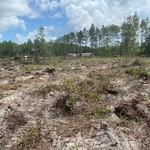
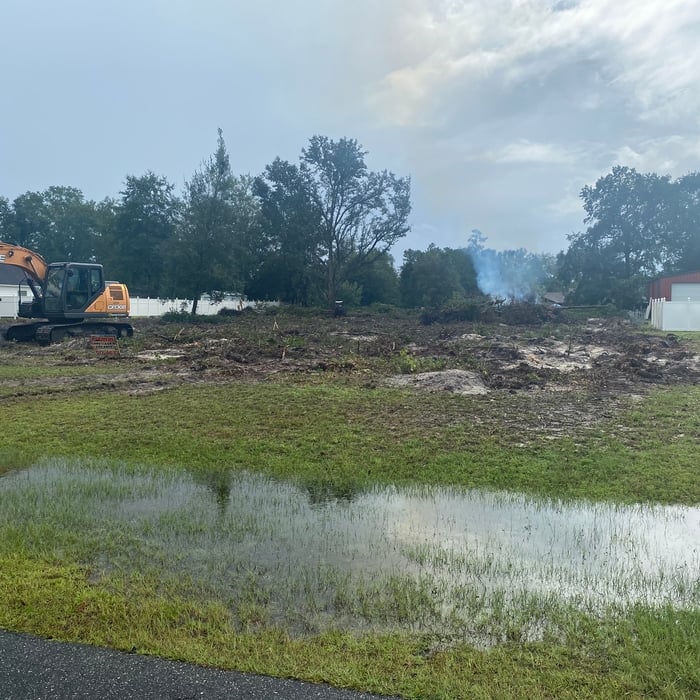
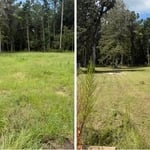
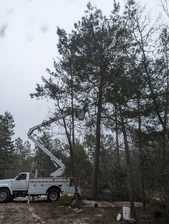
Building Site - Preparation and Clearing

Serving Lamont, FL and surrounding areas

Approved

In business since 2005

Free estimates

Small jobs welcome

"Great company to work with! Very responsive. They cleared land and mowed and my yard now looks great! Will be using them again! Highly recommend"
Response time12 hrs
6 neighbors recently requested a quote
Recommended by100%of homeowners
...
Showing 1-10 of 69
Excavating questions, answered by experts

Sewer lines can be buried anywhere from 18 inches to 8 feet deep, with a common average depth between 18 and 30 inches. The exact depth depends on local factors like climate and soil type. In colder regions, pipes must be buried deeper (below the frost line) to prevent freezing, sometimes as deep as 8 feet. The digging depth can also impact the cost of sewer line replacement. To find the specific depth for your property, you can check the building plans for your system, which should be on file with your city or local sanitation department since permits are required for installation.

In the United States, a depth of 36 inches (three feet) for underground water lines is the accepted industry standard. This depth varies from location to location based on local conditions. In areas with colder winters, they may be buried deeper to prevent frozen well water pipes : This is usually at least six inches below the frost level. The International Plumbing Code calls for a minimum of 12 inches below grade.

The best method for digging a trench depends on the scope of the project. For a short, shallow trench (less than 2 feet deep) in light, soft soil, digging by hand may be sufficient. However, digging by hand is labor-intensive, so consider the effort required. A machine trencher is the better option for longer trenches (over 100 feet), deeper ones, or when dealing with difficult soil conditions, such as rocky or hard ground, or obstructions like tree roots. A machine can save significant time and energy in these situations.

No, a ditch isn’t a trench. A ditch is an open, relatively shallow channel that’s carved out of the ground and used for drainage purposes. In contrast, a trench is a deeper excavation that’s entirely underground. Trenches have many uses, including gas lines, sewage systems, and electrical wiring. Unlike trenches, ditches don’t get filled back in with dirt after they’re dug.

To drill a shallow well, you may be able to use a drive well point. This is a tapered point that is driven into the ground. A drill bit at the end of PVC pipe may be another option to consider. A lot of the cost depends on what tools are available near you.

The Lamont, FL homeowners’ guide to excavation services

From average costs to expert advice, get all the answers you need to get your job done.