





Top-rated excavation pros.

Get matched with top excavation pros in Thomasville, GA

Enter your zip and get matched with up to 5 pros

Need a pro for your excavation project in Thomasville, GA?

Select your specific project to find the pro for you.

Find Excavation pros in Thomasville

Avatar for Kelley's Southern Land Clearing, LLC
Kelley's Southern Land Clearing, LLC
5.0(
13
)
Building Site - Preparation and Clearing

Serving Thomasville, GA and surrounding areas

Approved

In business since 2018

Free estimates

Emergency services offered

"I would highly recommend using Southern Land Clearing. Will responded promptly to my request for service. His work was excellent and he was onsite until completion. Will certainly has the experience to tackle any project with professionalism and reliability."
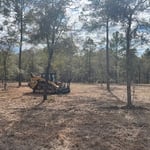
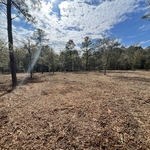
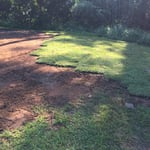
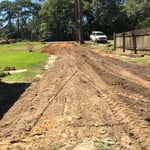
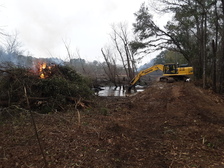
Mulching job
2 acres mulched
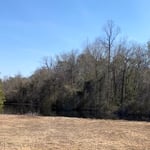
Around a pond customer wanted cleared
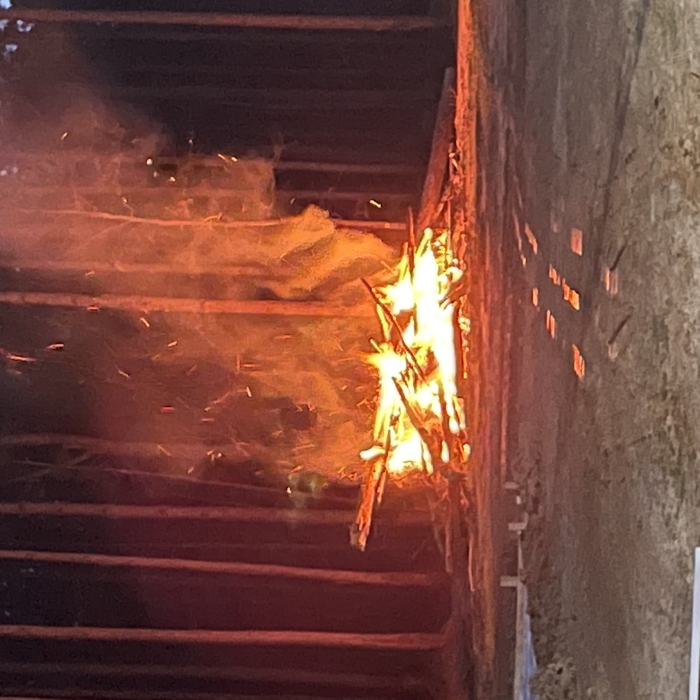
Mulching job
Mulching job

+5

Response time9 hrs
7 neighbors recently requested a quote
Recommended by91%of homeowners
Avatar for JDEV CONSTRUCTION LLC
JDEV CONSTRUCTION LLC
5.0(
4
)
Building Site - Preparation and Clearing - For Business

Serving Thomasville, GA and surrounding areas

Approved

In business since 2025

Free estimates

Credit card accepted

"Antonio was very good. He knows his job and always executes to perfection every single time! He was very professional and took good care of the property and the project. Kudos to him!"
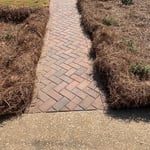
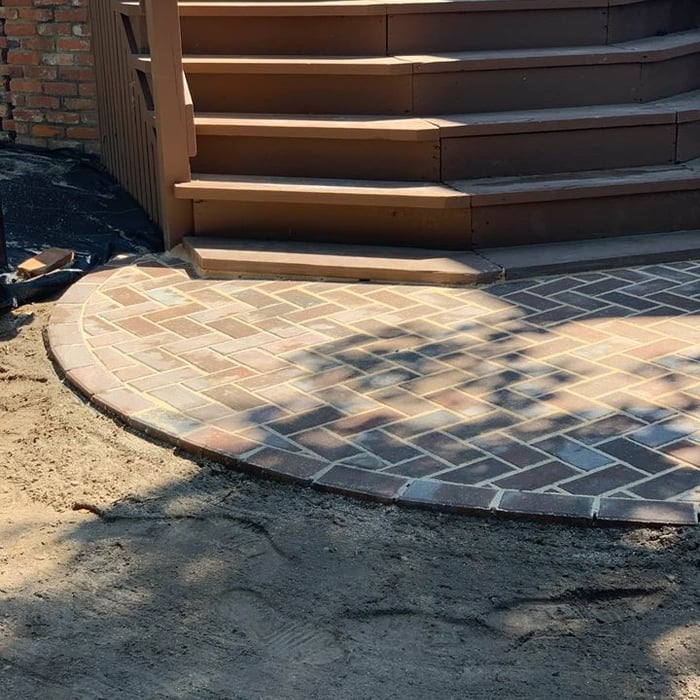
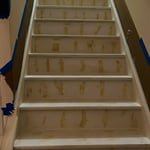
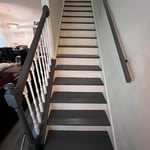
Stair Remodel
Stair Remodel
Stair Remodel
1 neighbors recently requested a quote
Recommended by33%of homeowners

Moncrief Excavating, LLC
New to Angi
Building Site - Preparation and ClearingBuilding Site - Preparation and Clearing - For BusinessExcavation - Major Grading or Resloping+1 more

Serving Thomasville, GA and surrounding areas

Approved

In business since 2018

Free estimates

Offers commercial services

A leading construction company in (LOCATION) focuses on providing optimum quality in various construction services. We take great pride in our work as we have during our () years in business. Thus, you can rest assured, that no matter what construction project we handle, we will be giving nothing but highly professional and expert works. Our galleries—collections of photos from previous construction projects—can attest to the amount of time, thought, and effort that we put into the services we provide.\n\n\n \n\n\nOf course, while we strive to provide the most beautiful designs and outcomes, we understand that price is one of the most important deciding factors for clients. That is why we offer the fairest prices for our best quality works. Call today for your free estimate!

5 neighbors recently requested a quote
Lancore LandSolutions
New to Angi
Building Site - Preparation and ClearingExcavation - Major Grading or Resloping

Serving Thomasville, GA and surrounding areas

Approved

Hey everyone, my name is Hudson Lott. I recently started my own land clearing business and I’m working hard to build a name for myself and my company.\n\nI spent the last 6 years working for other land clearing businesses before deciding to take the leap and go out on my own. I’ve learned a lot over the years, and now I’m putting that experience into my own business.\n\nI take a lot of pride in my work and always strive to leave every property looking right and make sure the landowner is happy with the job. I believe in doing honest work, taking care of my customers, and treating every job like it matters.\n\nI’m just getting started, but I’m excited to see where this business goes. If you or someone you know needs land clearing or property cleanup, I’d appreciate the opportunity to earn your business.

5 neighbors recently requested a quote
...
Showing 1-10 of 110
Excavating questions, answered by experts

A trench that is less than 5 feet deep often doesn't require a protective system. Most residential trenches will not go this deep (the typical residential drainage trench is just 18 inches deep). In the event that an excavator needs to dig more than 5 feet beneath the surface, a protective system is required unless the excavation is in entirely stable rock.

There are several methods to hollow out a tree stump, and the best one depends on your tools, experience, and priorities. Common methods include using a chisel and hammer, a chainsaw, or burning.

  • Chisel and Hammer: This is often considered the easiest approach for those with limited tools or experience, though it is the most time-consuming.

  • Chainsaw: Using a chainsaw is the fastest method, but it comes with significant safety risks, especially for inexperienced users.

  • Burning: This can be an effective method, but it is not recommended unless you can first drill holes into the stump. Without holes, the stump will be difficult to light and may not burn completely through.

A power drill with at least a ⅜-inch diameter bit can make the job quicker and easier, regardless of the primary method. While you can use a chisel or chainsaw without a drill, it will require more time and effort. Always wear protective goggles and thick gloves, as splinters are an inevitable risk.

Trenchers can dig holes as narrow as 4 inches or as wide as 4 feet. Check the specifications of the trencher you rent or buy to determine how wide it will cut into the landscape. Better yet, let the excavation company know how wide you’d like the trench to be, and they can help you choose the right trencher for the job (or do it for you).

The best way to protect tree roots is to avoid the roots entirely by excavating outside the root radius of the tree. For nearby projects, it’s a good idea to construct a temporary retaining wall. But that’s not always possible, depending on the project and the root system. In these cases, consider using alternative equipment like an auger to tunnel under the ground.

Remember, tree roots can damage nearby cement foundations as they grow. If a tree is close enough to interfere with large excavations, it may be better to remove the tree than risk future problems.

In the United States, a depth of 36 inches (three feet) for underground water lines is the accepted industry standard. This depth varies from location to location based on local conditions. In areas with colder winters, they may be buried deeper to prevent frozen well water pipes : This is usually at least six inches below the frost level. The International Plumbing Code calls for a minimum of 12 inches below grade.

The Thomasville, GA homeowners’ guide to excavation services

From average costs to expert advice, get all the answers you need to get your job done.