


Top-rated excavation pros.

Get matched with top excavation pros in Apalachicola, FL

Enter your zip and get matched with up to 5 pros

Need a pro for your excavation project in Apalachicola, FL?

Select your specific project to find the pro for you.

TRUSTED BY APALACHICOLA, FL HOMEOWNERS

  • Average homeowner rating star icon4.6
    Average homeowner rating
  • Verified reviews icon11
    Verified excavation services reviews

Find Excavation pros in Apalachicola

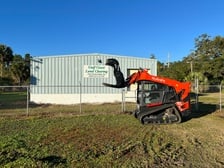
Avatar for Dirtboss Utilities, LLC
Dirtboss Utilities, LLC
New to Angi
Building Site - Preparation and ClearingExcavation - Major Grading or Resloping

Serving Apalachicola, FL and surrounding areas

Approved

Free estimates

Small jobs welcome

Offers commercial services

DIRTBOSS UTILITIES, LLC will provide grading, land clearing, erosion and sediment control, stormwater runoff management, and general site preparation services. We provide support services to contractors and property owners with efficient, insured site work improvements. We bring 30 years of experience to every job, quality you can trust, timelines you can depend on, and pricing that works for you.

...
Showing 1-10 of 51
Excavating questions, answered by experts

Downspouts should be buried at least 5 to 10 feet away from your foundation. This can vary depending on your local building codes, soil type, and property slope. The main goal is to ensure water is directed away from your foundation.

Professional installers often include a deep layer of crushed gravel under permeable pavers to allow more runoff to soak through into the soil below. Many installations will include multiple layers of gravel, with coarser aggregate at the base and finer aggregate that sits on top of that bottom layer. Above the gravel, you’ll often find coarse sand that helps reduce paver shifting over time. Some permeable paver designs include a water collection system set into the gravel layer to route runoff to a safe area for disposal.

There is no standard depth for burying a septic tank; they are typically buried anywhere from 4 inches to 4 feet underground. The final depth depends on several factors, including the depth of your main sewer line, the height of the bedrock, soil type, local regulations, and the property's landscape. If you plan to grow grass or plants over the tank, a depth of at least 4 to 6 inches is recommended. Deeper tanks can be more difficult to locate, but a septic professional can help find it for you.

No, fire blight does not survive free in the soil but instead is carried through insects, animals, rain, or wind during the spring. Keep in mind that it can also spread on tools, which is why you should always disinfect them in between cuts.

A trench that is less than 5 feet deep often doesn't require a protective system. Most residential trenches will not go this deep (the typical residential drainage trench is just 18 inches deep). In the event that an excavator needs to dig more than 5 feet beneath the surface, a protective system is required unless the excavation is in entirely stable rock.

The Apalachicola, FL homeowners’ guide to excavation services

From average costs to expert advice, get all the answers you need to get your job done.