



Top-rated excavation pros.

Get matched with top excavation pros in Hosford, FL

Enter your zip and get matched with up to 5 pros

Need a pro for your excavation project in Hosford, FL?

Select your specific project to find the pro for you.

Find Excavation pros in Hosford

Avatar for MDCG Metropolitan Design
MDCG Metropolitan Design
4.3(
56
)
Landscape - Minor Grading or Resloping

Serving Hosford, FL and surrounding areas

Approved

In business since 2001

Free estimates

Emergency services offered

"My experience with MDCG was the greatest. The owner was very professional, honest and very friendly. For the work he completed, the price was reasonable. Now, for any of my irrigation needs or water leaks in my yard, I call MDCG and no other company."

CMDP Program Certification
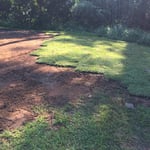
Sodding Project
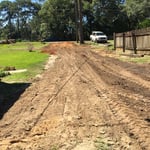
Grading for Asphalt Driveway
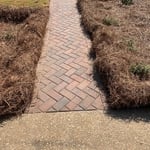
Landscape Hardscape Pavers
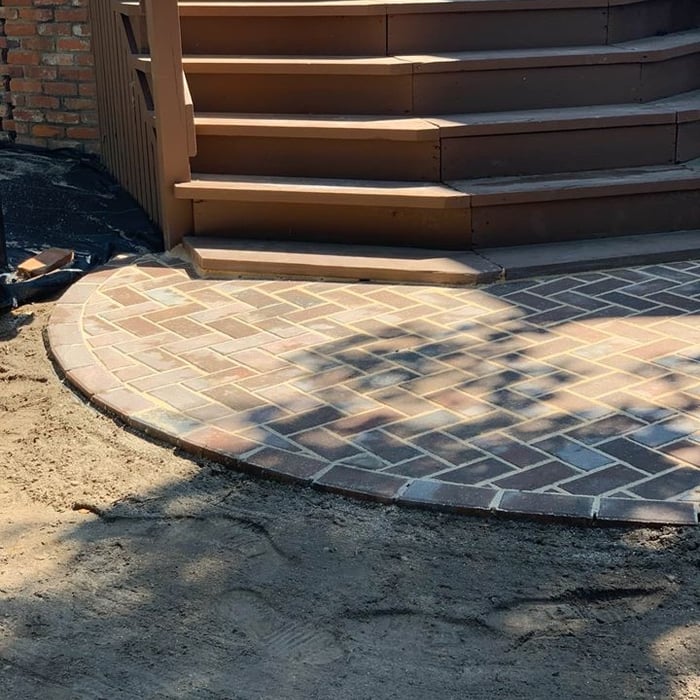
Before Landscape Hardscape

+2

Response time8 hrs
Response rate91%
3 neighbors recently requested a quote
Branching Out Services of NW Florida LLC
5.0(
1
)
Building Site - Preparation and ClearingExcavation - Major Grading or Resloping

Serving Hosford, FL and surrounding areas

Approved

In business since 2021

Free estimates

Customers say: Quick response

Branching Out Services of NW Florida LLC is committed to excellence in every aspect of our business. We uphold a standard of integrity bound by fairness, honesty, and personal responsibility. Our distinction is the quality of service we bring to our customers. Accurate knowledge of our trade combined with ability is what makes us true professionals. Above all, we are watchful of our customers interests and make their concerns the basis of our business.

Response time3 hrs
Recommended by100%of homeowners
Avatar for Dirtboss Utilities, LLC
Dirtboss Utilities, LLC
New to Angi
Building Site - Preparation and ClearingExcavation - Major Grading or Resloping

Serving Hosford, FL and surrounding areas

Approved

Free estimates

Small jobs welcome

Offers commercial services

DIRTBOSS UTILITIES, LLC will provide grading, land clearing, erosion and sediment control, stormwater runoff management, and general site preparation services. We provide support services to contractors and property owners with efficient, insured site work improvements. We bring 30 years of experience to every job, quality you can trust, timelines you can depend on, and pricing that works for you.

...
Showing 1-10 of 74
Excavating questions, answered by experts

Sewer lines can be buried anywhere from 18 inches to 8 feet deep, with a common average depth between 18 and 30 inches. The exact depth depends on local factors like climate and soil type. In colder regions, pipes must be buried deeper (below the frost line) to prevent freezing, sometimes as deep as 8 feet. The digging depth can also impact the cost of sewer line replacement. To find the specific depth for your property, you can check the building plans for your system, which should be on file with your city or local sanitation department since permits are required for installation.

Depth is not a qualifying component of evacuation. Any human-made cut, cavity, or depression in the earth’s surface is considered excavation. The hole from excavation can be any size, shape, or depth. Excavation is used to create foundations, reservoirs, drainage ditches, and roads. Long, narrow excavations are called trenches and are often used for underground utilities.

Some two-in-one tools and machines do both jobs, and those could be the right solution for smaller residential projects. However, the phrase “use the right tool for the job” definitely applies to digging. For the best results, get two separate tools for your trenching and landscape edging projects or call a pro to take care of everything for you.

The best method for digging a trench depends on the scope of the project. For a short, shallow trench (less than 2 feet deep) in light, soft soil, digging by hand may be sufficient. However, digging by hand is labor-intensive, so consider the effort required. A machine trencher is the better option for longer trenches (over 100 feet), deeper ones, or when dealing with difficult soil conditions, such as rocky or hard ground, or obstructions like tree roots. A machine can save significant time and energy in these situations.

The best type of soil to build on is a mixture of sand and clay, known as loam soil. Loam soil has the best combination of these soil types to build a foundation on. The clay particles help with water retention, so it won’t erode like sandy soil might, and the sandy particles help with drainage, so you won’t see unsafe soil expansion or have an increased risk of leaks from water sitting against your foundation.

The Hosford, FL homeowners’ guide to excavation services

From average costs to expert advice, get all the answers you need to get your job done.