




Top-rated excavation pros.

Get matched with top excavation pros in Panacea, FL

Enter your zip and get matched with up to 5 pros

Need a pro for your excavation project in Panacea, FL?

Select your specific project to find the pro for you.

TRUSTED BY PANACEA, FL HOMEOWNERS

  • Average homeowner rating star icon4.3
    Average homeowner rating
  • Verified reviews icon10
    Verified excavation services reviews

Find Excavation pros in Panacea

Avatar for Temes Services, Inc.
Temes Services, Inc.
5.0(
30
)
Building Site - Preparation and Clearing

Serving Panacea, FL and surrounding areas

In business since 2021

Free estimates

Credit card accepted

"JOSH ALWAYS RESPONDED QUICKLY AND HAD GOOD IDEAS FOR PROBLEM AREAS. THE PROBLEM WAS AN ENCROACHING CREEK NEXT TO MY HOMES FOUNDATION. NOT ONLY WAS THE WORK COMPLETED WELL, HIS GUIDANCE AND ADVICE HAS BEEN INVALUABLE!"
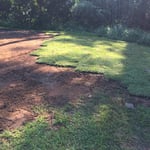
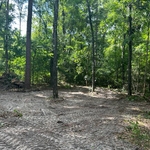
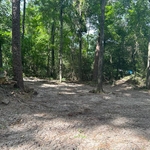
Side
Side
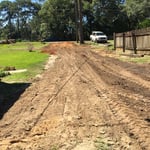
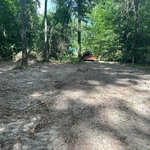
Drive way
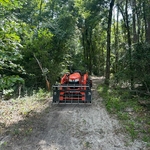
Looking down Drive
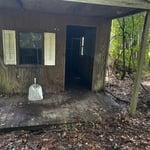
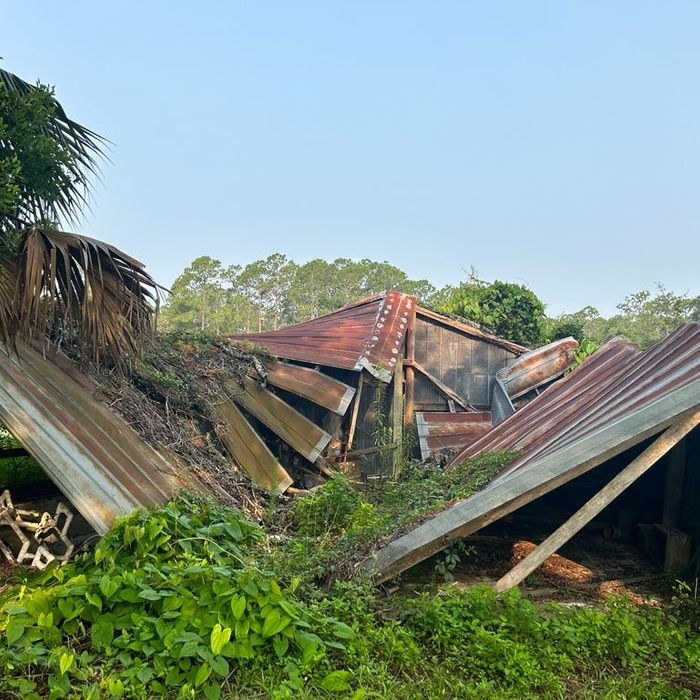
Barn Demo

+15

Response time2 days
Response rate91%
Recommended by92%of homeowners
...
Showing 1-10 of 66
Excavating questions, answered by experts

Digging out a basement takes anywhere from a few days to a few months. Most projects take at least two to five weeks, but it could take several months if you encounter obstacles. This project takes longer if you need to brace or raise your home before the excavation. Digging out a basement in new construction can take as little as three days.

Professional installers often include a deep layer of crushed gravel under permeable pavers to allow more runoff to soak through into the soil below. Many installations will include multiple layers of gravel, with coarser aggregate at the base and finer aggregate that sits on top of that bottom layer. Above the gravel, you’ll often find coarse sand that helps reduce paver shifting over time. Some permeable paver designs include a water collection system set into the gravel layer to route runoff to a safe area for disposal.

No, you typically cannot use metal detectors to find your sewer line. Most sewer lines are made of non-metallic materials such as PVC, clay, or cast iron, which are not detectable by standard metal detectors. Metal detectors are designed to locate metallic objects, so they won't be effective for identifying the path of a non-metallic sewer line. To locate your sewer line accurately, it's best to use other methods.

Sewer lines can be buried anywhere from 18 inches to 8 feet deep, with a common average depth between 18 and 30 inches. The exact depth depends on local factors like climate and soil type. In colder regions, pipes must be buried deeper (below the frost line) to prevent freezing, sometimes as deep as 8 feet. The digging depth can also impact the cost of sewer line replacement. To find the specific depth for your property, you can check the building plans for your system, which should be on file with your city or local sanitation department since permits are required for installation.

No, a ditch isn’t a trench. A ditch is an open, relatively shallow channel that’s carved out of the ground and used for drainage purposes. In contrast, a trench is a deeper excavation that’s entirely underground. Trenches have many uses, including gas lines, sewage systems, and electrical wiring. Unlike trenches, ditches don’t get filled back in with dirt after they’re dug.

The Panacea, FL homeowners’ guide to excavation services

From average costs to expert advice, get all the answers you need to get your job done.