

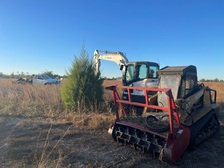


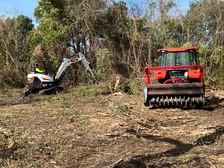
Trenching and boring are two distinct methods for installing underground utilities. Trenching involves digging a channel using equipment like an excavator, trencher, backhoe, or shovel. While it is a simpler process, it causes significant disruption to the surface, landscaping, and surrounding ecosystems.
Boring, also known as directional boring, is a less invasive alternative that uses a drill to create a tunnel for utility lines without disturbing the surface. This method is more precise and is ideal for installations that need to go underneath buildings, roads, or bodies of water. Although boring is less disruptive, it is generally more expensive than trenching.
Underground downspouts refer to the sections of downspout extensions that lead away from your home and gutter system. While they cost more than traditional extensions, they can provide several benefits, such as less frequent damage and no need to move them for lawn care tasks. Whether they're worth it or not depends on your budget at installation time and how much convenience they'll add to your situation.
The physical constraints of hand-drilling a well limit the depth you can achieve. Manually digging with picks and shovels may only lead to shallow wells of up to 60 feet in depth. To reach greater depths, you need more specialized equipment. The diameter of your well and the tools you’re using will determine how far down you can dig.
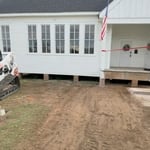
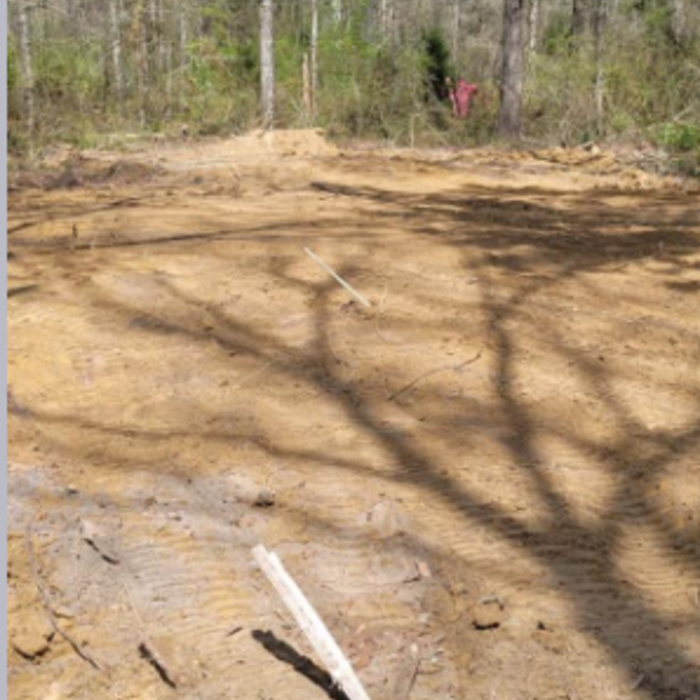
Hardscaping often requires preparation of the ground in the area where the feature is being installed. This can include digging, compacting, and leveling the soil, ensuring adequate drainage, and removing any existing plants. The extent of preparation needed will depend on the type and size of the hardscaping feature being installed.
We recommend removing the stump, and grinding is a popular way to do it. You can also dig out small stumps or stumps that have fully decayed instead of grinding them. However, don’t try using acids or fire for killing a tree stump, which is a fire hazard and illegal in many areas.
Leaving the stump alone invites eventual problems, including attracting termites, mold, and fungi.
The Altha, FL homeowners’ guide to excavation services
From average costs to expert advice, get all the answers you need to get your job done.
Excavation costs $1,500 to $6,300 for most residential projects—but it depends on factors like the size of the area. This guide will help you plan a budget.
If you’re building a new home, you might need to consider the cost of digging out a basement. Use this pricing guide to get an estimate for the project.
Trenching means digging a depression in the earth that’s longer than it is wide. Here’s what you need to know about trenching—including doing it safely.