





Top-rated radon detection and reduction specialists.

Get matched with top radon detection and reduction specialists in Laurel, FL

Enter your zip and get matched with up to 5 pros

Need a pro for your radon detection and reduction project in Laurel, FL?

Select your specific project to find the pro for you.

Find Radon detection and reduction specialists in Laurel

Avatar for Morry Remediation Solutions
Morry Remediation Solutions
5.0(
9
)
Radon Gas - Testing

Serving Laurel, FL and surrounding areas

In business since 2007

Free estimates

Emergency services offered

"I was very pleased to have someone finally find the issue we had going on. This was the 3rd time calling a mold company and the other 2 were in and out of my house in less than half an hour and never found anything. But here I was even offered assistance to filing a homeowner insurance claim. Thank you!"
Additional Photos
Additional Photos
Response time1 day
Recommended by100%of homeowners
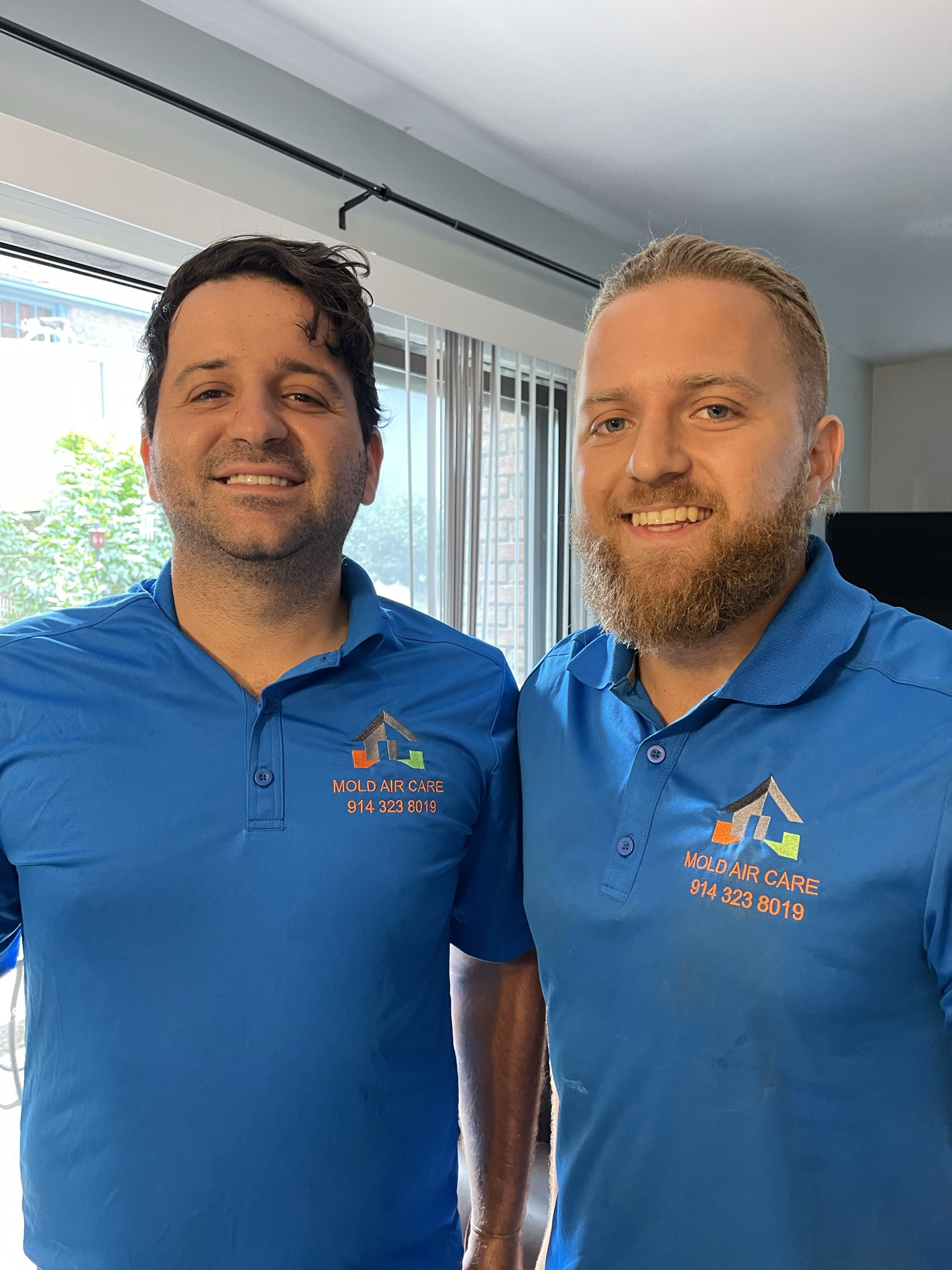
Avatar for Mold Air Care
Mold Air Care
5.0(
1
)
Radon Gas - Testing

Serving Laurel, FL and surrounding areas

In business since 2017

Free estimates

Emergency services offered

"Initial response was very fast with quote and Suard was very responsive and available to answer all my questions as I needed very timely service. The thorough analysis and explanation was very much appreciated and quality of work and clean up was great. I was very happy that I chose Mold Air Care despite not have any reviews listed. This service made my week after 3 weeks of frustration. Thanks Mold Air Care!!!"
Additional Photos
Additional Photos
Additional Photos
Additional Photos
Additional Photos

+25

Recommended by100%of homeowners

Radon Detection and Reduction questions, answered by experts

The cost to replace a radon fan ranges from $300 to $600 for the fan itself, with installation adding an additional $200 to $500. Overall, the total cost for replacement can range from $500 to $1,100, depending on factors such as the fan model, home size, and local labor rates. If the fan is part of a larger radon mitigation system, the price may be higher.

Radon enters your home when warm air begins to rise and exits through the roof, creating a vacuum that pulls cooler air from under the foundation. Part of that air is radon, which is an invisible, odorless gas that develops naturally when radioactive particles are deep within the ground. Those particles usually come from decaying matter in soil and rocks.

There are steps you can take as a homeowner to remediate radon yourself. While a radon reduction professional can make the biggest impact in your home, you can make efforts to improve radon levels on your own by sealing cracks, increasing ventilation, and testing for radon regularly.

A homeowner can install a radon mitigation system on their own. But it’s a challenging DIY that requires a lot of knowledge about radon mitigation as well as familiarity with local regulations. You do not want to risk an improper installation that leaves the system unable to detect radon or gives it a shortened life span. Relying on a professional is the surest way to guarantee a successful installation.

The lifespan of a radon mitigation system depends on the type of system and its maintenance. With proper care, a system can last for many decades. Passive systems tend to last longer as they have fewer components that require replacement. Active systems, which have more moving parts like fans, generally have a shorter lifespan. For instance, water filtration devices and active pressurization systems require more frequent maintenance. While the system as a whole is durable, the radon fan in an active system typically has a lifespan of 5 to 10 years and will need to be replaced. As long as the fan is working, the mitigation system should function correctly.

The Laurel, FL homeowners’ guide to radon detection and reduction services

From average costs to expert advice, get all the answers you need to get your job done.