

Top-rated radon detection and reduction specialists.

Best radon detection and reduction specialists near University Park, FL

Enter your zip and get matched with up to 5 pros

Need a pro for your radon detection and reduction project in University Park, FL?

Select your specific project to find the pro for you.

Top-Rated Radon detection and reduction specialists in University Park - Updated Nov 2026

Avatar for REFORM RESTORATION LLC
REFORM RESTORATION LLC
4.3(
6
)
Radon Gas - Testing

Serving University Park, FL and surrounding areas

In business since 2019

Emergency services offered

Warranties offered

"I recently faced an emergency roof leak and cannot recommend Alex Comer with American Roof Pro LLC highly enough. He provided immediate assistance, even on a Sunday, which was incredibly reassuring during a stressful situation. His quick response and expertise were invaluable, saving me from extensive damage and costly repairs. Thanks to his efforts, my home remains safe and secure until my roof replacement can commence. If you find yourself in a similar situation, don't hesitate to reach out to Alex and his team!"
Additional Photos
Additional Photos
Additional Photos
Additional Photos
Additional Photos

+1

Recommended by66%of homeowners

Avatar for DRYmedic of Lakewood Ranch FL
DRYmedic of Lakewood Ranch FL
5.0(
1
)
Radon Gas - Testing

Serving University Park, FL and surrounding areas

In business since 1998

Free estimates

Emergency services offered

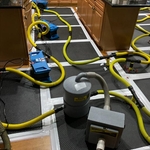
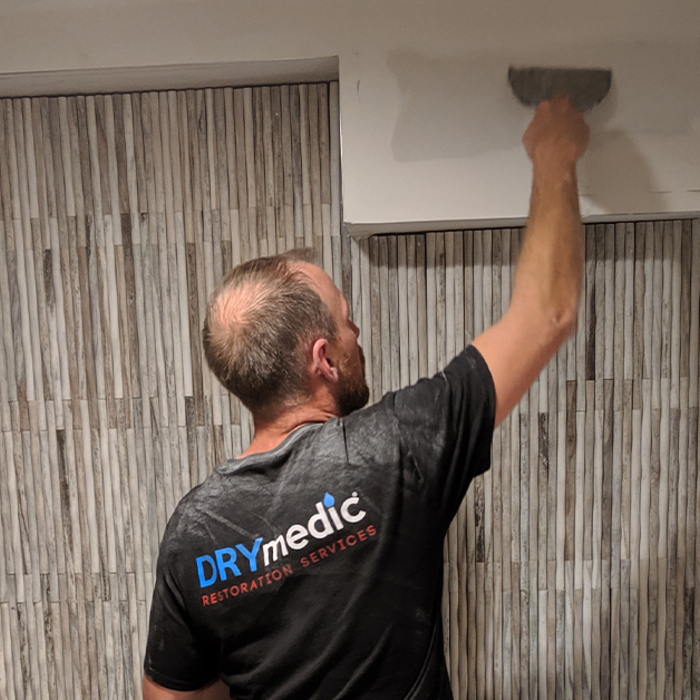
DryMedic Restoration Services specializes in a comprehensive range of restoration services, including:​ Water Damage Restoration: Addressing issues caused by leaks, floods, or other water-related incidents.​\nFire Damage Restoration: Repairing and restoring properties affected by fire and smoke.​\nMold Remediation: Identifying and removing mold to ensure a safe environment.​\nStorm Damage Restoration: Handling damages resulting from severe weather conditions.​\nContents Restoration: Restoring personal belongings damaged by water, fire, or mold.​\nBiohazard Cleanup: Managing the safe removal of hazardous materials.

Additional Photos
Additional Photos
Additional Photos
Additional Photos
Additional Photos

+27

Response time1 day
Response rate100%
Radon Detection and Reduction FAQs, answered by experts

Ideally, no one will live in a house with elevated radon levels, as prolonged exposure increases the risk of serious health issues like lung cancer. However, homes with radon can be made safe through mitigation systems, such as active soil depressurization. Testing for radon regularly and addressing high levels helps ensure a safe living environment.

Radon is present almost everywhere but, like sunlight, the concentration levels and how often you are exposed to it have a large part to play in just how dangerous it is. There are levels of radon that are acceptable inside a house, but above a certain limit, radon becomes a serious radioactive hazard that is a known cause of lung cancer. In fact, radon exposure is the number two leading cause of lung cancer (after smoking).

The lifespan of a radon mitigation system depends on the type of system and its maintenance. With proper care, a system can last for many decades. Passive systems tend to last longer as they have fewer components that require replacement. Active systems, which have more moving parts like fans, generally have a shorter lifespan. For instance, water filtration devices and active pressurization systems require more frequent maintenance. While the system as a whole is durable, the radon fan in an active system typically has a lifespan of 5 to 10 years and will need to be replaced. As long as the fan is working, the mitigation system should function correctly.

If high radon levels are detected, steps include sealing entry points, installing a mitigation system, and retesting the air regularly to ensure reduced levels.

No level of radon is technically safe, but since it is present everywhere, complete avoidance is impossible. The average radon level in homes across the United States is 1.3 picocuries per liter (pCi/L). The Environmental Protection Agency (EPA) recommends taking preventative measures if your home's radon levels are between 2 and 4 pCi/L or higher.

The University Park, FL homeowners’ guide to radon detection and reduction services

From average costs to expert advice, get all the answers you need to get your job done.