



Top-rated radon detection and reduction specialists.

Get matched with top radon detection and reduction specialists in Siesta Key, FL

Enter your zip and get matched with up to 5 pros

Need a pro for your radon detection and reduction project in Siesta Key, FL?

Select your specific project to find the pro for you.

Find Radon detection and reduction specialists in Siesta Key

Avatar for DRYmedic of Lakewood Ranch FL
DRYmedic of Lakewood Ranch FL
5.0(
1
)
Radon Gas - Testing

Serving Siesta Key, FL and surrounding areas

In business since 1998

Free estimates

Emergency services offered

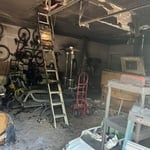
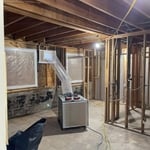
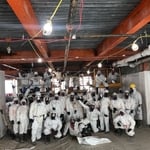
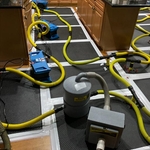
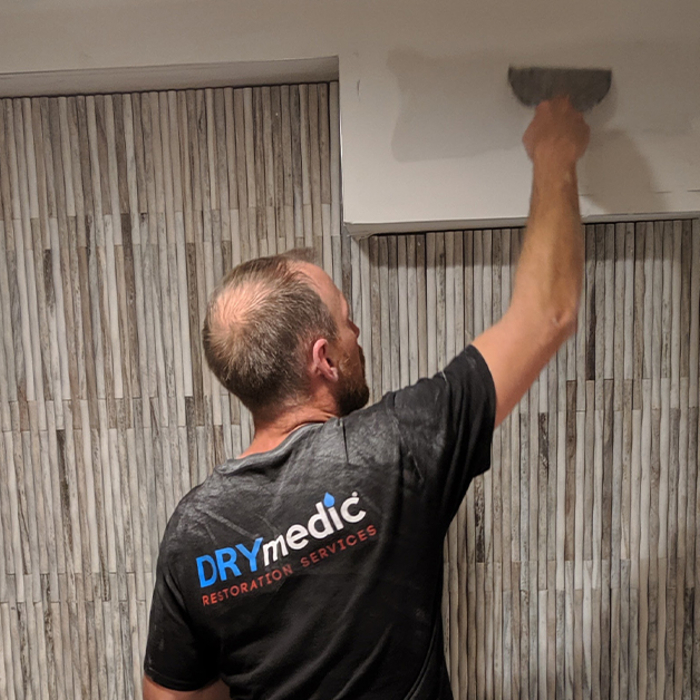
DryMedic Restoration Services specializes in a comprehensive range of restoration services, including:​ Water Damage Restoration: Addressing issues caused by leaks, floods, or other water-related incidents.​\nFire Damage Restoration: Repairing and restoring properties affected by fire and smoke.​\nMold Remediation: Identifying and removing mold to ensure a safe environment.​\nStorm Damage Restoration: Handling damages resulting from severe weather conditions.​\nContents Restoration: Restoring personal belongings damaged by water, fire, or mold.​\nBiohazard Cleanup: Managing the safe removal of hazardous materials.

Additional Photos
Additional Photos
Additional Photos
Additional Photos
Additional Photos

+27

Response time1 day
Response rate100%
Radon Detection and Reduction questions, answered by experts

You'll need to test your home for radon after installing the mitigation system, then again every two years. If radon remains elevated, contact a licensed radon professional, either the contractor who installed the system or a different one, and have them evaluate the system. They may need to make some changes to improve its effectiveness and performance.

The fan that pulls the radon out of the air needs to run continuously, so you may see an increase in your electric bill once you install the mitigation system. Additionally, you may see an increase in your heating or cooling bills, as the fan can cause some loss of hot or cool air.

The lifespan of a radon mitigation system depends on the type of system and its maintenance. With proper care, a system can last for many decades. Passive systems tend to last longer as they have fewer components that require replacement. Active systems, which have more moving parts like fans, generally have a shorter lifespan. For instance, water filtration devices and active pressurization systems require more frequent maintenance. While the system as a whole is durable, the radon fan in an active system typically has a lifespan of 5 to 10 years and will need to be replaced. As long as the fan is working, the mitigation system should function correctly.

No level of radon is technically safe, but since it is naturally present everywhere, it is impossible to avoid entirely. The average radon level in homes across the United States is 1.3 picocuries per liter (pCi/L). The Environmental Protection Agency (EPA) recommends taking action to reduce radon levels if your home's test results are between 2 and 4 pCi/L or higher.

Many radon fans carry a five-year manufacturer's warranty. That said, your radon fan should last between five and ten years. Regular inspections will ensure the fan is operating properly. Unusual or exceptional noise coming from the fan or indications on your manometer or system monitor can immediately tell you that something is amiss.

The Siesta Key, FL homeowners’ guide to radon detection and reduction services

From average costs to expert advice, get all the answers you need to get your job done.