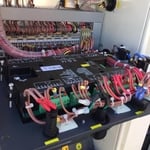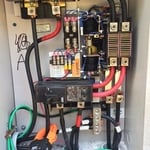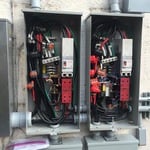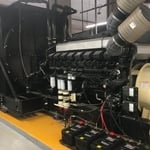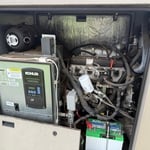
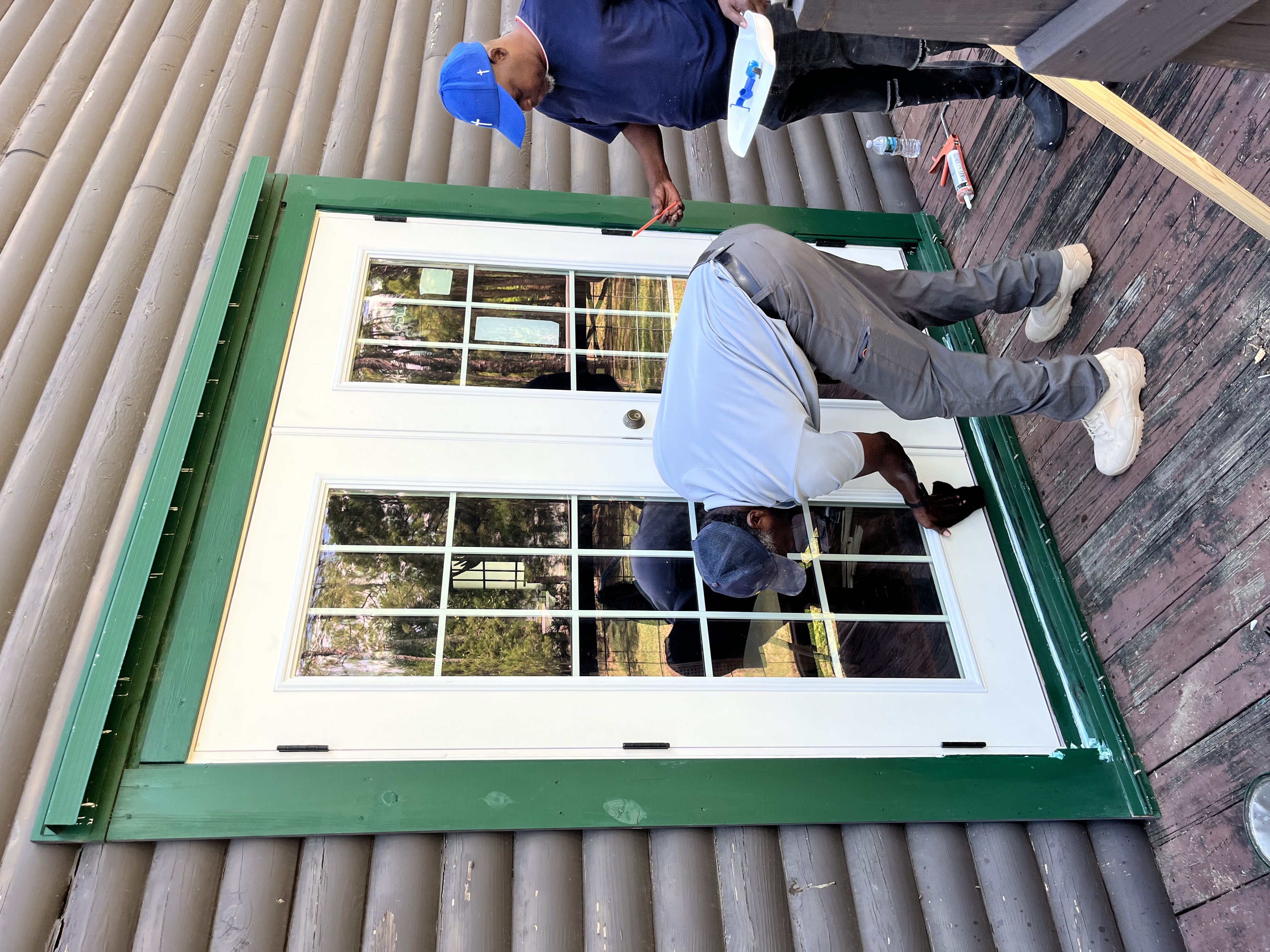






Top-rated generator install pros.

Get matched with top generator install pros in Fort Pierce, FL

Enter your zip and get matched with up to 5 pros

Need a pro for your generator install project in Fort Pierce, FL?

Select your specific project to find the pro for you.

Find Generator install pros in Fort Pierce

Avatar for Florida Standby Power Systems
Florida Standby Power Systems
5.0(
2
)
Generator - Repair - For Business

Serving Fort Pierce, FL and surrounding areas

Approved

In business since 2024

Free estimates

Emergency services offered

"Florida Standby Power Systems is A great company to work with. They are professional and have very high standards. The work they do is done correctly, on time, and professionally. I would recommend them for anyone who has industrial generators that need to be serviced or repaired."
Radiator install
Damaged transfer
Repaired switch
Maintenance
Response time6 hrs
Response rate100%
3 neighbors recently requested a quote
Bo's Generators
New to Angi
Fixed Generator - RepairGenerator - Repair - For Business

Serving Fort Pierce, FL and surrounding areas

Approved

In business since 1973

Free estimates

Credit card accepted

For over 50 years, Bo's Electric has been the local generator experts of South Florida. Committed to delivering the utmost customer satisfaction, we offer cutting-edge security and safety solutions at highly competitive prices. We install and maintain generators so that our customers always have the power they need.\n\nOur team is not just trained, but also seasoned with rich experience, having catered to numerous local clients over the years. By choosing Bo's Electric, you're opting for unparalleled expertise, timely service, and the assurance that all your generator needs will be addressed with meticulous care. Florida generators are our specialty.

...
Showing 1-10 of 98
Generator Install questions, answered by experts

Here’s what you can run with different wattages and types of generators:

Portable generator:

  • 2,000 watts can handle a large appliance like a freezer or refrigerator, plus a few smaller items like phones or computer chargers. 

  • 4,000 watts will keep two large appliances operating and a few smaller devices.

  • 8,000 watts should power most essential appliances and other devices, including a sump pump, well pump, or your dishwasher.

Partial to whole-house generator:

  • 20,000 watts and above will make it seem like your home’s power is still on.

With proper maintenance, a whole-house generator can last between 20 and 40 years. The specific lifespan depends on how often and for how long the generator is used, and some models may have their life expectancy rated in hours of operation. To maximize its lifespan, expect to spend around $150 to $300 per year for annual maintenance checks from a qualified technician. During these checks, a technician will inspect the engine filter, starting mechanism, fuel, lubrication, and coolant levels. Consulting your installer and choosing a low-impact fuel like natural gas or diesel can also help ensure your generator lasts as long as possible.

A 1,500 square foot home will likely need a 15kW to 20kW generator. When deciding on whole-house generator size, add up the total wattage of the devices that you’d like to continue running during a power outage. That way, you can ensure you purchase a generator that can power your necessary appliances or medical equipment during an electrical emergency.

The amount of time a standby generator can run continuously is around 3,000 hours on average. However, standby generators can generally run indefinitely as long as they have a continuous fuel supply. Generators hooked up to a home’s natural gas supply are the best option for extended usage, as these won’t rely on a finite fuel supply based on how much you have in storage. Generators running on liquid propane or diesel won’t last as long, as these require fuel storage and regular refueling to stay running.

While the rating will tell you how many watts the refrigerator needs at the peak of its cycle, it requires additional wattage to start. At the bare minimum, you’ll need a 1,500-watt generator to get the fridge up and running after a blackout. A 2,000-watt generator should be sufficient for most home refrigerators.

The Fort Pierce, FL homeowners’ guide to generator installs

From average costs to expert advice, get all the answers you need to get your job done.