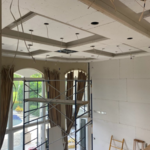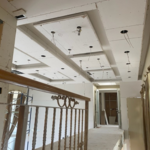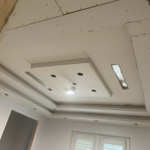





Top-rated drywall pros.

Get matched with top drywall pros in Coconut Grove, FL

Enter your zip and get matched with up to 5 pros

Need a pro for your drywall service project in Coconut Grove, FL?

Select your specific project to find the pro for you.

TRUSTED BY COCONUT GROVE, FL HOMEOWNERS

  • Average homeowner rating star icon4.7
    Average homeowner rating
  • Verified reviews icon215
    Verified drywall services reviews

Find Drywall pros in Coconut Grove

Avatar for Instacure Mold Remediation, Inc
Instacure Mold Remediation, Inc
4.9(
84
)
Drywall - Repair

Serving Coconut Grove, FL and surrounding areas

Approved

In business since 2017

Free estimates

Credit card accepted

"The company contacted me about the scope of the, I send the picture of the drywall repair need to be done, they gave me the price which I agreed, made arrangement with the tenant the day repair could be done. they came on time and did the repair of the drywall. since I live in Tampa I asked them to send me the picture of the progress of the work performed, which they did. Everythimg went smoothly, Even the tenenat send me the picture of the work performed. In the end I was very pleased of the work performed."
Professional Mold Removal
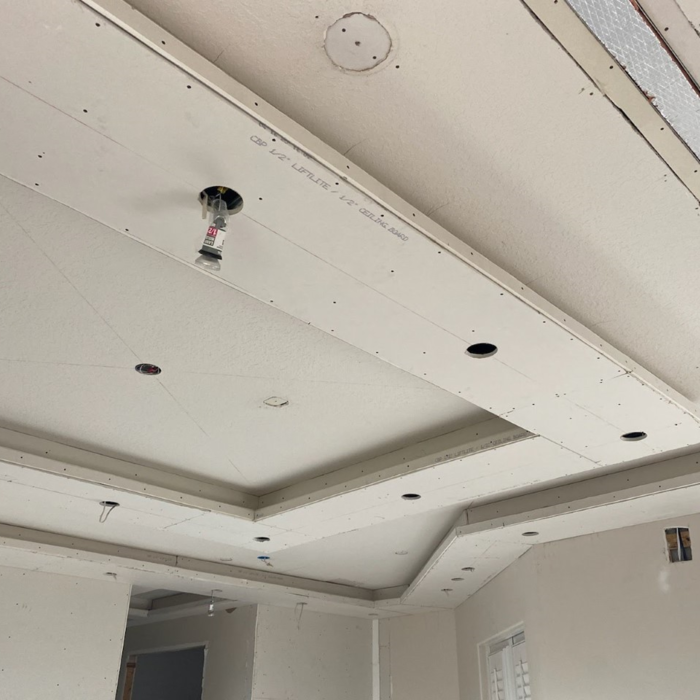
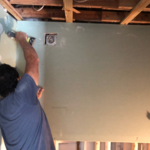
Drywall Installations
Mold in the Framing and Insulation
Laminate Floor Install
Removing Mold

+166

Response time6 hrs
3 neighbors recently requested a quote
Recommended by97%of homeowners
Avatar for APR Home Improvement
APR Home Improvement
4.6(
36
)
Drywall - InstallDrywall - Repair

Serving Coconut Grove, FL and surrounding areas

Approved

In business since 2013

Warranties offered

Small jobs welcome

"Alexander was very professional, polite and prompt. He was organized, knowledgeable and detailed with his work. He repaired/installed drywall and baseboards in my garage, office and laundry room. I would highly recommend Alexander for contractor and handyman services. I will definitely use his services again."
Water damage
Water damage
Bathroom remodeling
Bathroom remodeling
Bathroom remodeling

+14

Response time1 day
2 neighbors recently requested a quote
Recommended by100%of homeowners

...
Showing 1-10 of 1004
Drywall questions, answered by experts

It’s not a good idea to plaster over broken plaster (unless by broken you’re referring to cracked, in which case that’s perfectly fine). However, broken plaster can be a sign of a larger underlying issue like foundation damage or severe damage to the lath holding up the plaster, so it’s worth investigating before you simply plaster on top of the damage.

While a normal moisture level for drywall is between 5% and 12%, replacement is recommended if you get consistent readings above 17%. At this level, the drywall is likely too compromised by extensive moisture damage to be considered safe. You can replace either the entire sheet or just the affected section. If you are unsure after a visual inspection, it is best to have a contractor or water restoration provider use a professional moisture meter to get an accurate reading.

Yes, you can use drywall repair techniques for some types of plaster damage. Tiny holes and small cracks in plaster can be patched in similar ways to drywall. You apply the necessary compound to fill the hole, wait for it to dry, then sand it down. For larger damage, like water damage or mold, you need to use plaster-specific techniques and materials.

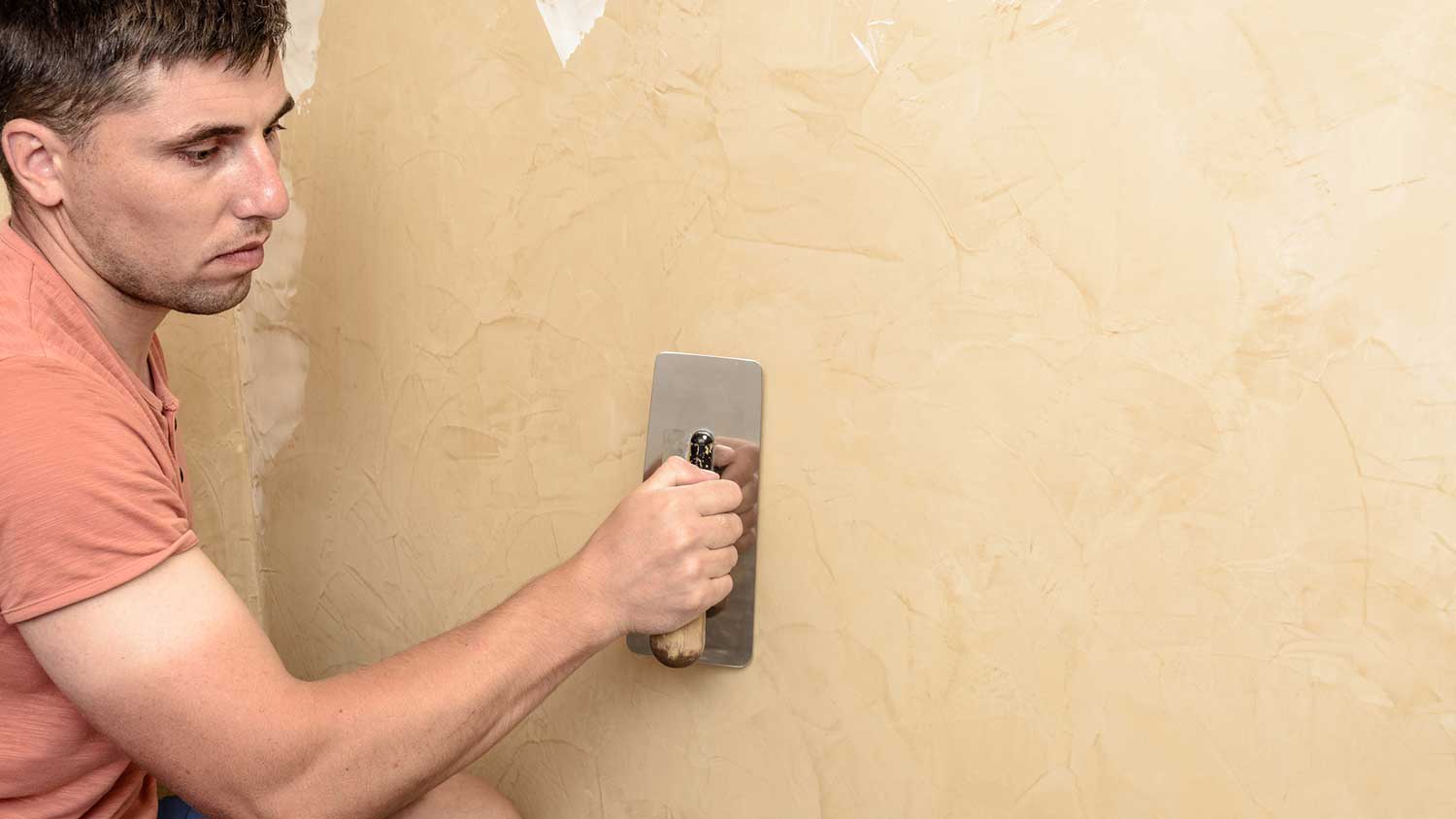
Drywall texture refers to the techniques used on the surface of drywall to create a pleasing visual or tactile effect. Depending on your desired outcome, drywall texture can range from incredibly subtle to a focal point of a room. Textures play a significant role in interior design and are an excellent and relatively cost-effective way to change the feeling of a room.
Plastering and skimming are two different techniques for finishing walls. Plastering involves applying a thick layer of a plaster mixture—typically containing gypsum, lime, cement, sand, and water—to create a new surface. This process often requires multiple coats and is used for repairing significant damage or creating decorative textures. Skimming, on the other hand, is a technique that involves applying a thin layer of drywall compound or joint compound over an existing surface to smooth it out, covering minor imperfections, small cracks, or uneven textures for a polished look. Plastering is generally more costly and labor-intensive than skimming. Although some people use the terms interchangeably, they refer to different processes and materials.

The Coconut Grove, FL homeowners’ guide to drywall services

From average costs to expert advice, get all the answers you need to get your job done.