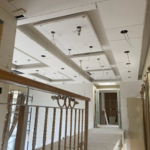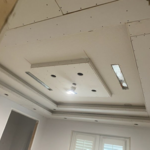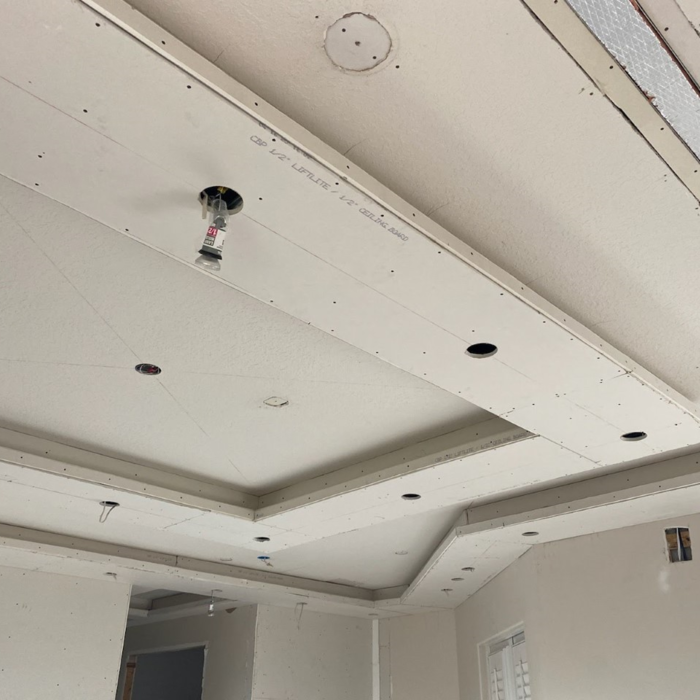





Top-rated drywall pros.

Best drywall pros near Miami Beach, FL

Enter your zip and get matched with up to 5 pros

Need a pro for your drywall service project in Miami Beach, FL?

Select your specific project to find the pro for you.

TRUSTED BY MIAMI BEACH, FL HOMEOWNERS

  • Average homeowner rating star icon4.7
    Average homeowner rating
  • Verified reviews icon202
    Verified drywall services reviews

Top-Rated Drywall pros in Miami Beach - Updated Nov 2026

Avatar for Craftman Ventura Group, LLC
Craftman Ventura Group, LLC
5.0(
62
)
Drywall - Repair

Serving Miami Beach, FL and surrounding areas

Approved

In business since 2010

Free estimates

Emergency services offered

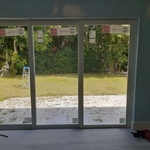
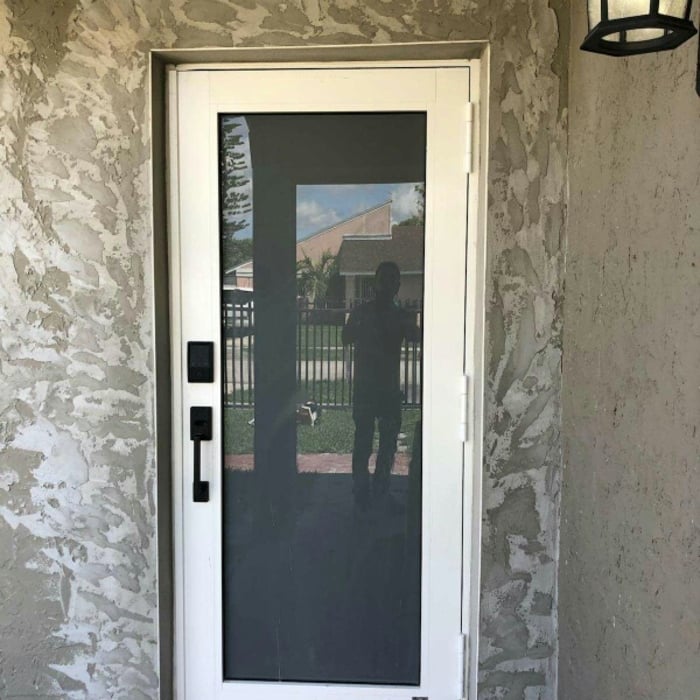
"Gabriel is a talented professional. We had a few holes in our drywall from a pipe leak and he replaced the drywall, applied a stencil knockdown, and pained all within a few hours. It looks brand new! Gabriel works quickly and meticulously, and he is respectful of his workspace. I would definitely recommend his services."
Before
After
Before
Before
After

+160

Response time50 mins
Response rate95%
Recommended by93%of homeowners
Avatar for GMC Remodeling Miami, LLC
GMC Remodeling Miami, LLC
4.7(
63
)
Drywall - Repair

Serving Miami Beach, FL and surrounding areas

Approved

In business since 2017

Emergency services offered

Small jobs welcome

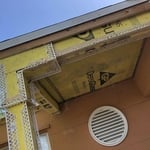
"I hired GMC remodeling for drywall and subfloor repairs. They did a fantastic job in a short period of time. They matched the drywall texture with current ones very well. Highly recommend!"
Acoustic Ceiling
Acoustic Ceiling
Acoustic Ceiling
Acoustic Ceiling
Acoustic Ceiling

+236

Response time5 hrs
Response rate98%
20 neighbors recently requested a quote
Avatar for Marshal Ver Steeg
Marshal Ver Steeg
5.0(
5
)
Drywall - InstallDrywall - Repair

Serving Miami Beach, FL and surrounding areas

Approved

Free estimates

Emergency services offered

Small jobs welcome

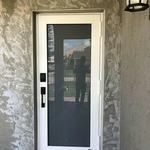
"We hired Marshall to take down some damaged drywall in several rooms and the reinstall new drywall. He did a fantastic job, was timely, professional and importantly the quality of his work was excellent. We subsequently hired him again to resize all the internal doors in the house after we had our floors retitled. Again the work was excellent and Marshall polite and professional as before. Would highly recommend."
Drywall repair
Microhood installation
Drywall repair
Pedestals

+3

4 neighbors recently requested a quote
...
Showing 1-10 of 997
Drywall FAQs, answered by experts

Whether a drywall anchor can be reused depends on its material, type, and the method of removal. Plastic anchors, including expansion and self-drilling types, are generally designed for single use as they tend to break or deform upon removal. Metal anchors, such as toggle bolts, are more durable and may be reusable if they are not damaged during extraction. However, with toggle bolts, the toggle piece can fall into the wall cavity when the bolt is removed, making it difficult to retrieve. If an anchor is damaged during removal, for instance by having its head cut off, it cannot be reused regardless of the material.

On average, drywall installation costs around $2,000, with a typical range of $400 to $6,000, including materials and labor. The final price depends on several factors. The most significant is the size of the area, as many contractors charge per square foot. Other cost factors include the complexity of the job (e.g., cutting around multiple windows and doors, corners, or curved walls), accessibility, location, the thickness of the drywall, the height of the room, and the desired level of finish. The level of finish can range from simply hanging the drywall to taping and mudding the seams and painting the walls.

There are six levels of drywall finish, from 0 to 5, that refer to the amount of work performed during the finishing process.

Level 0: Drywall is hung with no finishing work.

Level 1: Tape is placed over the seams between drywall sheets.

Level 2: A thin layer of mud is applied over the tape and screw holes. This level is common for utility rooms or walls that will be covered.

Level 3: A full coat of mud covers the screw holes and tape, but the surface is not sanded. This is often used in garages.
Level 4: This is the most common finish for visible interior walls. It involves applying two coats of mud over seams and screw holes, with sanding between each coat, creating a smooth surface ready for flat paint.

Level 5: This is a high-end finish for luxury homes. It includes full taping, mudding, and sanding, plus a final skim coat over the entire surface before painting.

The easiest way to tell if a wall is load bearing is to check if it’s an exterior wall or if it runs perpendicular to the joists above and below it (or parallel to beams). Exterior walls are almost always load-bearing, and walls that run under beams or parallel to them are also usually load-bearing. There are exceptions to these rules, and walls that don’t fit into these categories can still be load-bearing. If you’re unsure, hire a structural engineer to look at your home to assess whether or not the wall is structural.

Yes, you can apply new plaster over an existing plaster surface, such as a wall or ceiling, provided the old plaster is in good condition. Before you begin, check the stability of the existing plaster. The surface must be clean, free of loose material, and have no peeling paint. It is also recommended to roughen the surface slightly to promote adhesion. For older plaster, applying a base coat like a PVA emulsion or a specific bonding agent or primer is crucial. This step makes the existing plaster less porous and ensures the new and old layers adhere properly for a smooth, long-lasting finish.
The Miami Beach, FL homeowners’ guide to drywall services
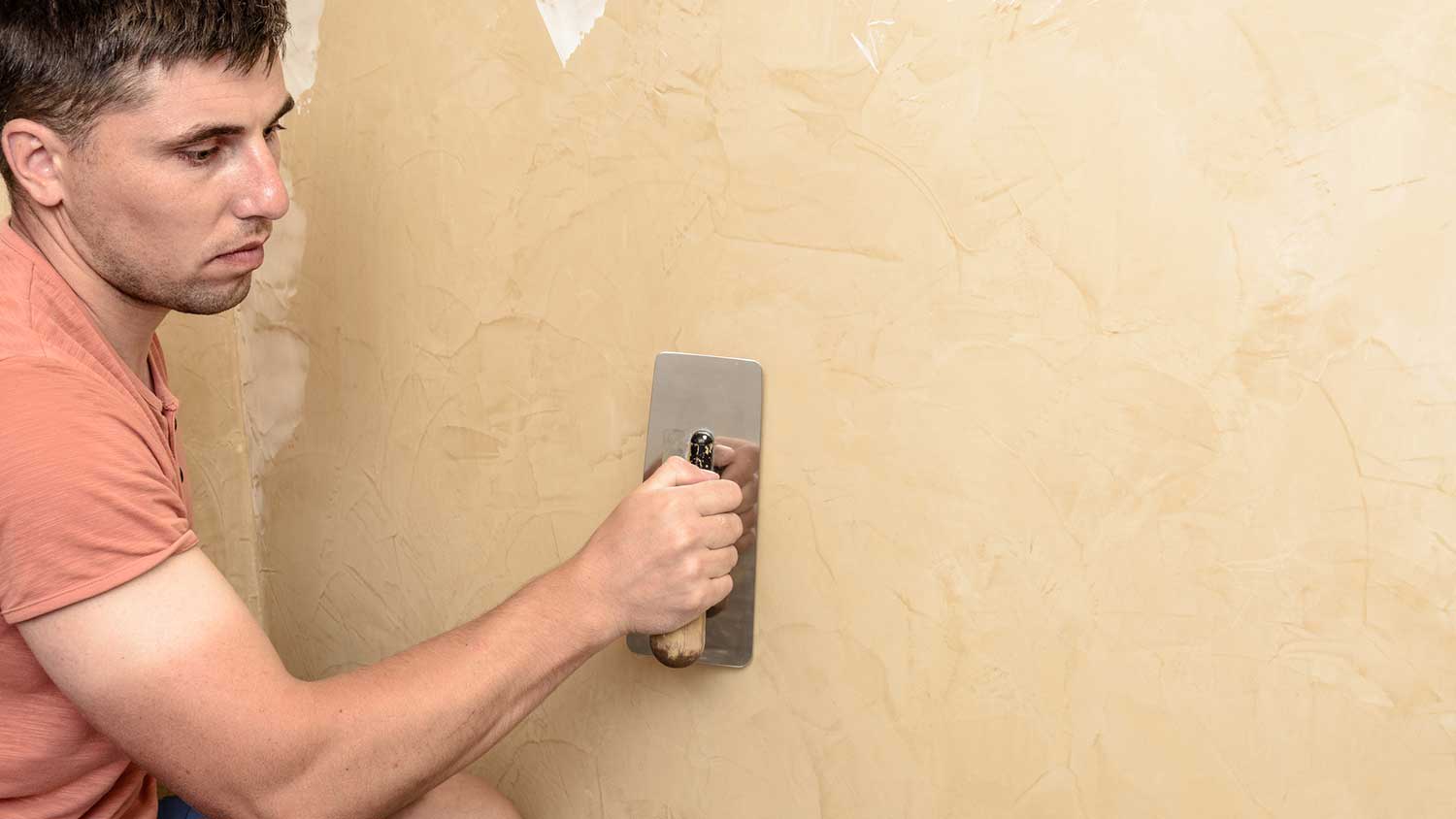
From average costs to expert advice, get all the answers you need to get your job done.