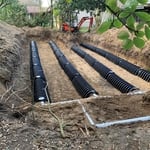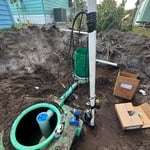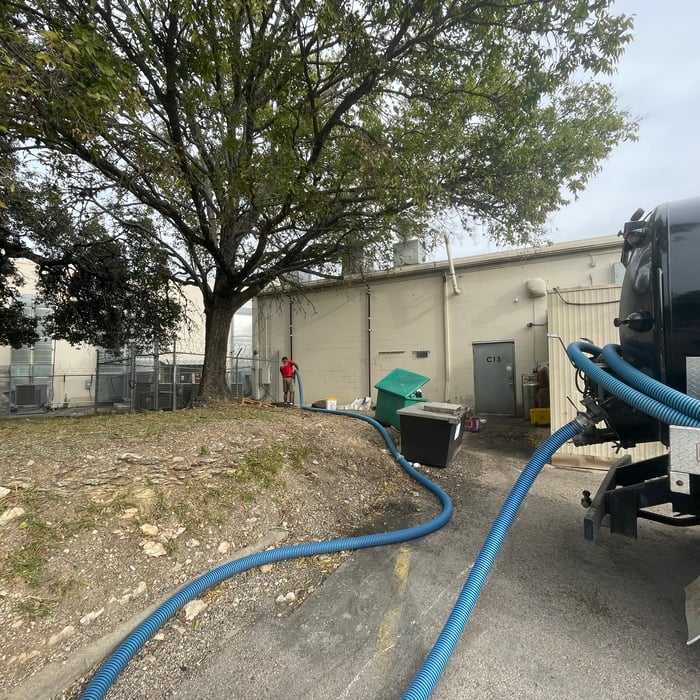





Top-rated septic tank pros.

Best septic tank pros near Bunnell, FL

Enter your zip and get matched with up to 5 pros

Need a pro for your septic tank service project in Bunnell, FL?

Select your specific project to find the pro for you.

TRUSTED BY BUNNELL, FL HOMEOWNERS

  • Average homeowner rating star icon4.6
    Average homeowner rating
  • Verified reviews icon46
    Verified septic tank services reviews

Top-Rated Septic tank pros in Bunnell - Updated Nov 2026

Avatar for Ocala Septic LLC
Ocala Septic LLC
New to Angi
Septic System - Install or ReplaceSeptic System - RepairSeptic System - Install or Replace - For Business+1 more

Serving Bunnell, FL and surrounding areas

Approved

In business since 2022

Free estimates

Warranties offered

Cameron Environmental is a locally owned septic company providing affordable, innovative, and environmentally responsible solutions throughout Central Florida. With more than 20 years of industry experience, our trained professionals understand the unique septic needs of local homeowners, businesses, and contractors.\n\nWe offer a wide range of services, including septic system installations, inspections, consultations, permitting, and project coordination. Our company is built on integrity, dependable workmanship, and courteous customer service.\n\nFree estimates are available, along with discounts for veterans, first responders, teachers, and seniors.

38 neighbors recently requested a quote

Thomas Wall Plumbing Contractor, Inc.
2.3(
2
)
Septic System - Install or ReplaceSeptic System - Install or Replace - For BusinessSeptic System - Repair+3 more

Serving Bunnell, FL and surrounding areas

In business since 1972

Free estimates

Emergency services offered

We pride our company on reliability, great communication, integrity, and quality work. We are experts in our trade and will do our best to keep you as educated as we can on your particular task or project. We look forward to earning your business! Book with us online or feel free to give us a call today!\n\n \n\n

Response time2 days
Recommended by100%of homeowners
Septic Tanks FAQs, answered by experts

The average three to four-bedroom home typically uses a well pump rated for 8 to 12 gallons per minute (GPM). To find the most accurate size for your specific needs, a common rule of thumb is to count the number of water fixtures and appliances in your home and aim for that number in GPM. This calculation allows for about one gallon of water per minute per fixture. Because estimating the correct size can be challenging, it's best to have a professional technician make the final determination. A professional can ensure your pump provides sufficient water for your home, especially during peak usage hours.

Ideally, you should conduct a mechanical inspection and a bacterial or well water inspection yearly. While you might be able to push it off to every other year, it’s best to have peace of mind, especially when it comes to something that you use so frequently. 

If you experience repeated gastrointestinal illness in the household, it's important to test the well water more regularly for quality and cleanliness to check for bacteria.

There are a few signs that indicate a failing drain field. For instance, if your septic tank starts requiring more pumping than normal, your drain field might be failing. Other signs to watch for include poor drainage after rain, standing water or sewage over the septic system, a strong septic smell outside, new and healthy grass growing over the drain field, and plumbing backups in your sinks, bathtubs, or toilets.

Both materials are suitable for septic tanks, but concrete usually lasts longer than plastic. If you’re buying a new tank, the prices are similar for plastic ($500 to $2,500) and concrete ($700 to $2,000). However, there’s a notable difference in repair prices, with plastic tank repair costs ranging from $150 to $2,000, while concrete repairs are between $700 and $5,000.

Septic drain lines (or leach lines) are typically buried between 18 and 36 inches underground, and should be at least 6 inches below the surface. These pipes are perforated and surrounded by filtering materials like sand or gravel. Burying the lines at this depth helps minimize odors and allows bacteria and other biological processes in the soil to effectively treat the wastewater. Burying lines too close to the surface can cause issues unless the soil is very compact and stable.

The Bunnell, FL homeowners’ guide to septic tank services

From average costs to expert advice, get all the answers you need to get your job done.