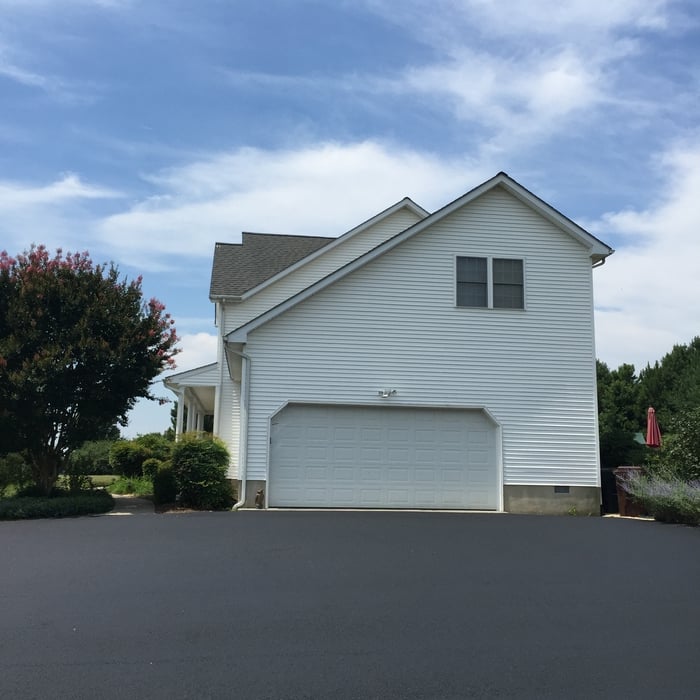
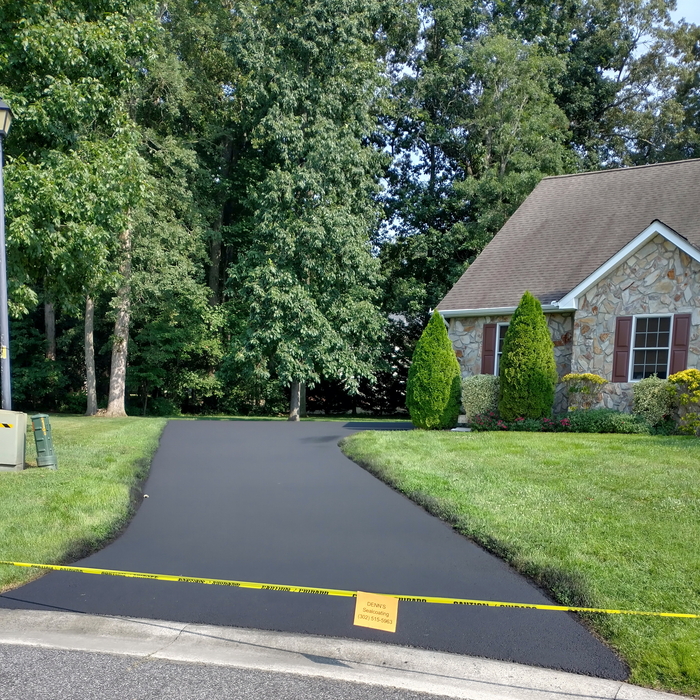
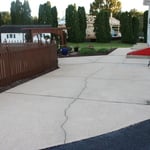
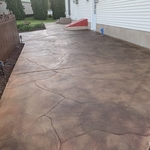
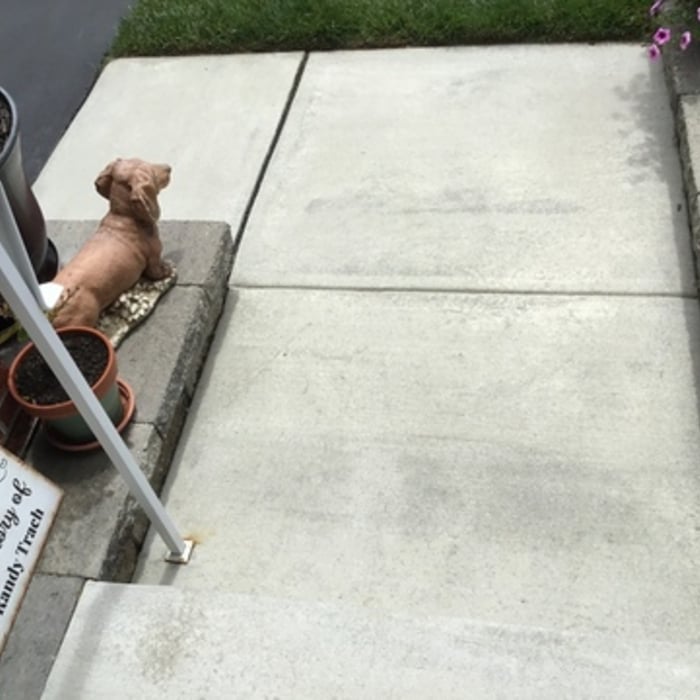
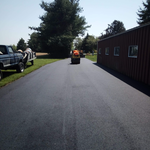
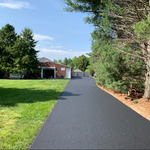
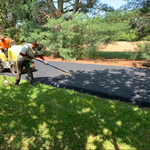
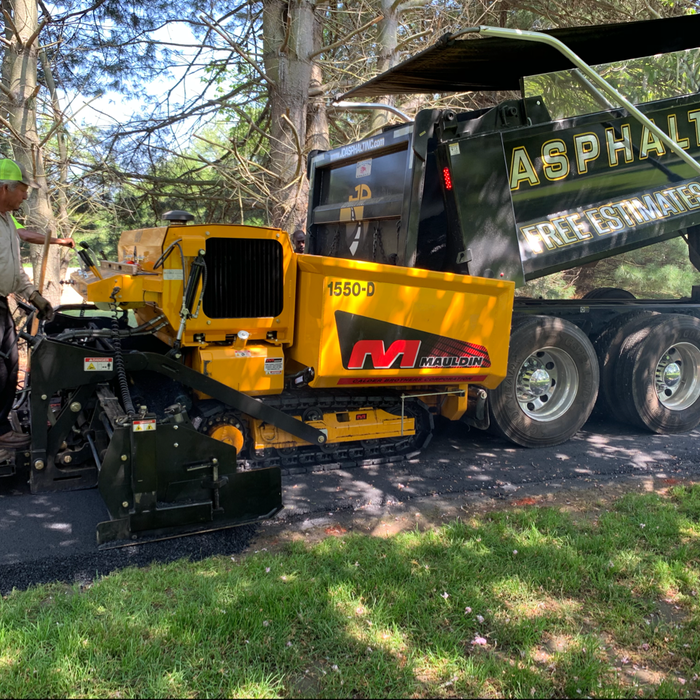
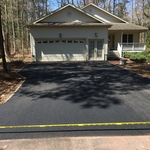
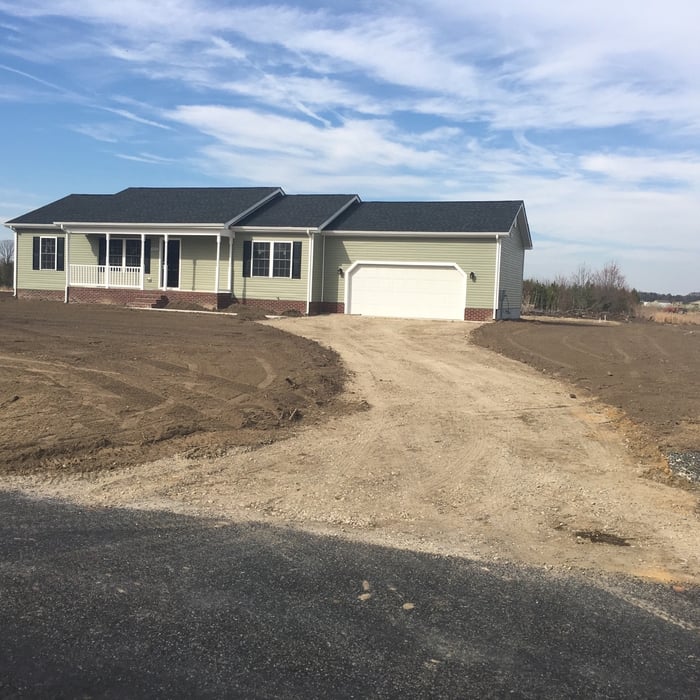
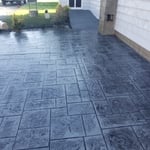
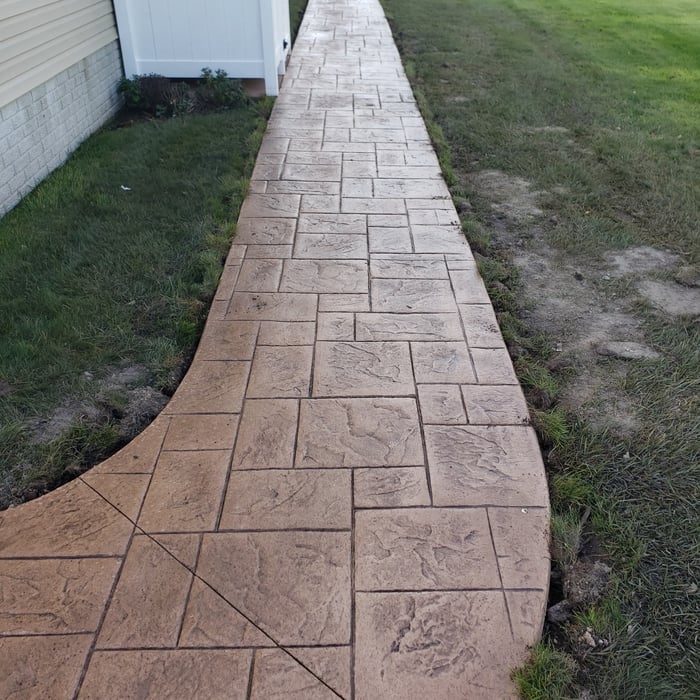
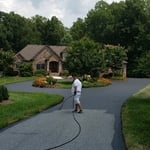
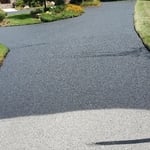
"Dennssealcoating did an excellent job on my driveway They filled in all the cracks put a nice coat on and very professional . They took their time and did it right .My driveway will last for years Ià ¢à  à  m sure. This company is the best if you donà ¢à  à  t use this company you will definitely regret it."
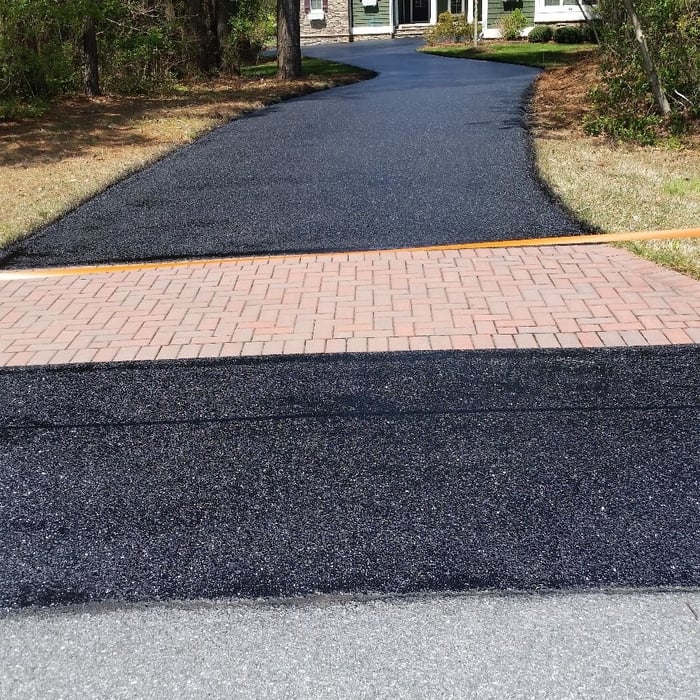
"Blair Carmean & Sons did a great job installing my new driveway. Mike explained what he was going to do and answered all my questions. Thanks to Mike and his crew."
"The team did a superb job. The team quickly responded to provide a quote. Once approved, they kept me informed of everything. They were respectful and understanding of the customer. D & S Brick receives my highest recommendation."
The answer to whether or not you need to get a permit before you start your driveway can vary widely based on local ordinances and the scope of your driveway ideas. In most urban and suburban areas, a permit is needed before building a new driveway to ensure that a homeowner is using safe materials and proper drainage practices while designing and constructing a new driveway. In some rural areas, a homeowner may not be required to apply for a permit. When building a new driveway on your own, always check with your local building department to see if you need to request a permit. When hiring a driveway contractor, verify that the right permits are being used before driveway construction begins.
Yes, using recycled asphalt millings is an eco-friendly alternative compared to concrete. Millings are reclaimed pieces of gravel that are recycled into aggregate that can be used on driveways, patios, walkways, basketball courts, tennis courts, and more.
Sealing coat asphalt after 6-12 months and then every 2-3 years is recommended.
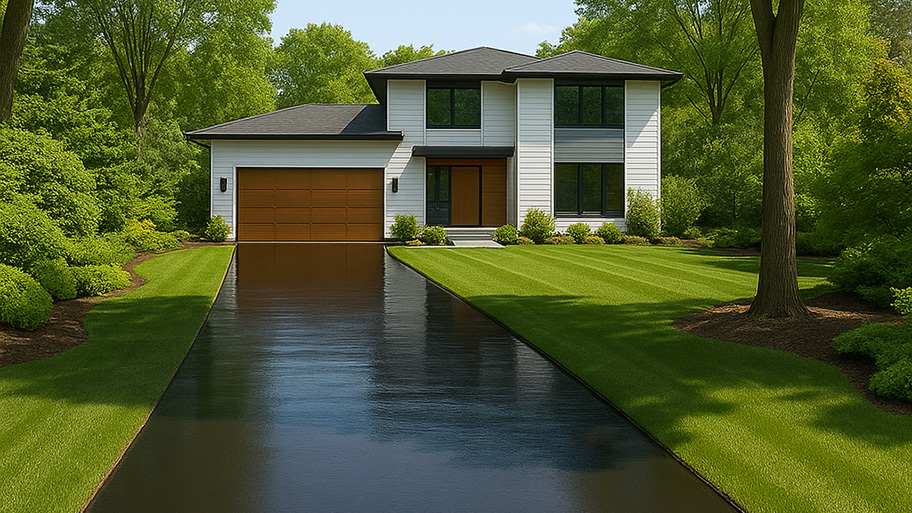
New asphalt typically needs 24 to 72 hours to dry before it can handle light foot traffic and careful driving. Although it may appear solid after a few days, the full curing process, where the asphalt reaches its peak strength, takes much longer—generally from 30 days to a year.
During this extended curing time, the surface remains relatively soft and can be damaged by heavy vehicles, sharp objects, or high temperatures. To protect your investment, it's best to avoid parking heavy machinery on the asphalt until it has fully cured.
The exact time required for drying and curing depends on several factors, including the weather, the specific asphalt mix, and its thickness. For the most accurate advice tailored to your situation, consult with your asphalt contractor.
This creates a risk for your driveway to fail after asphalt curing because it doesn't have a lasting bond with the surface. In order to get asphalt to perform as intended, it's necessary to prepare the dirt surface correctly first. The loose soil base under the new driveway must be compacted until it is stable enough to support the weight of the asphalt.
The Frederica, DE homeowners’ guide to asphalt driveway services
From average costs to expert advice, get all the answers you need to get your job done.
Adding a new asphalt driveway to your home can boost its overall appearance and give homeowners a nice ROI down the line. But how long do asphalt driveways last, and what can you do to maximize their lifespans? Read this guide to find out.