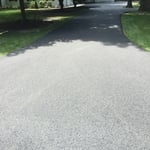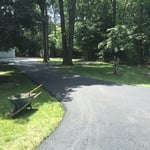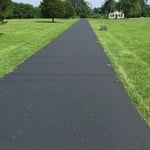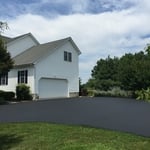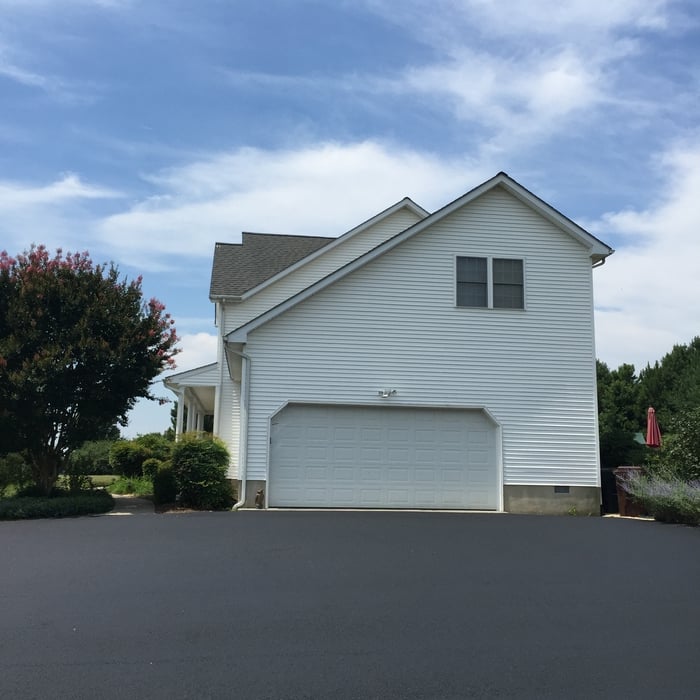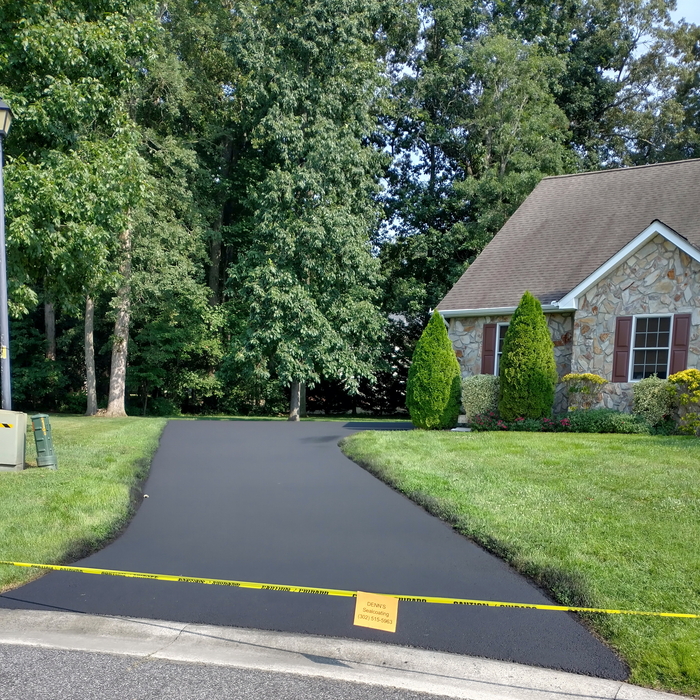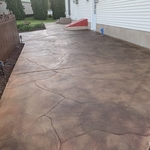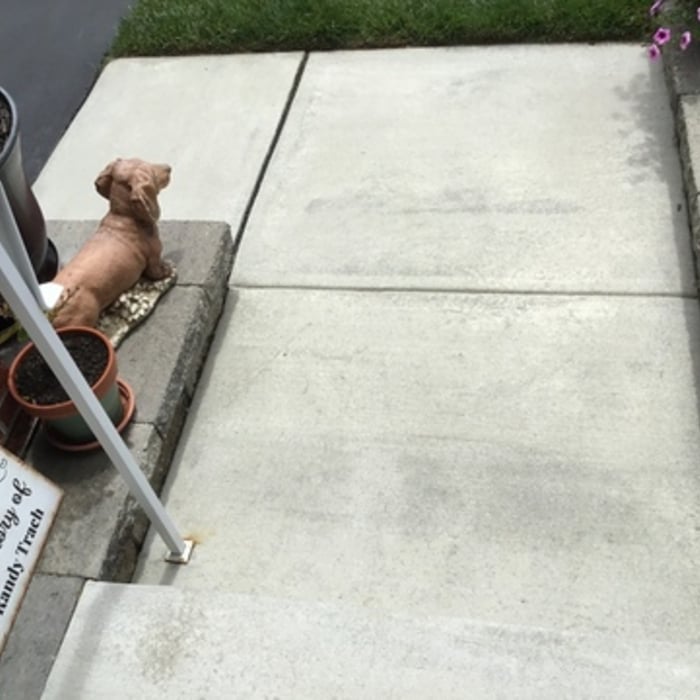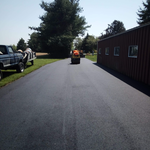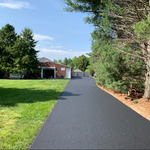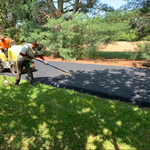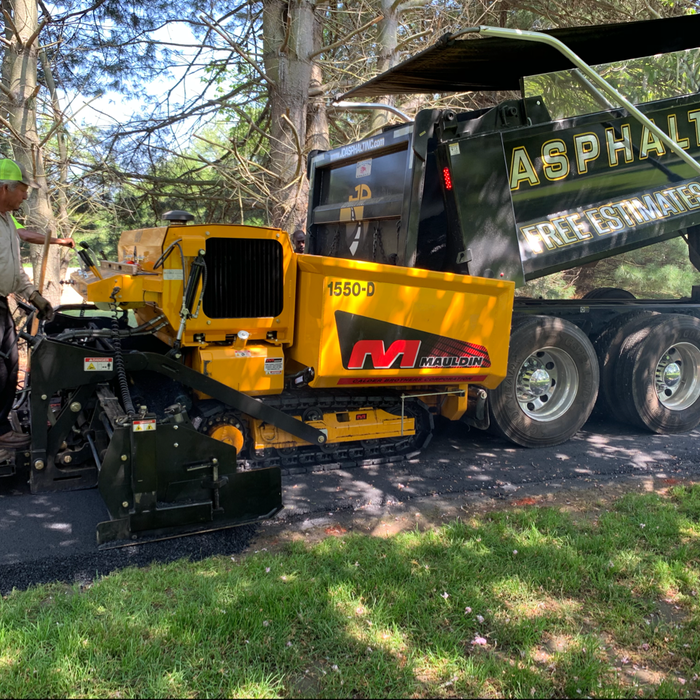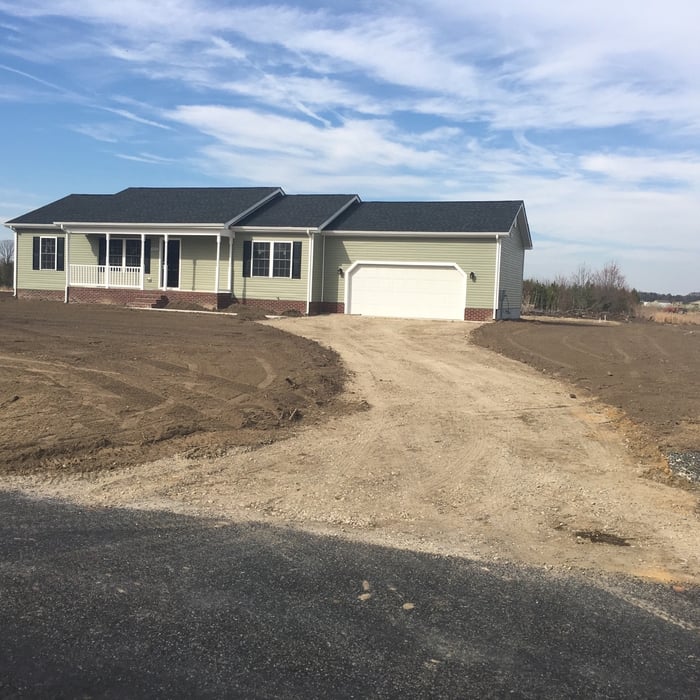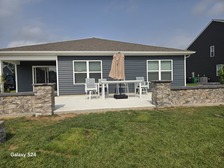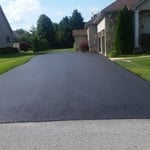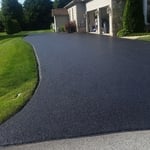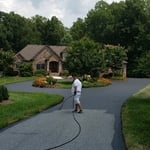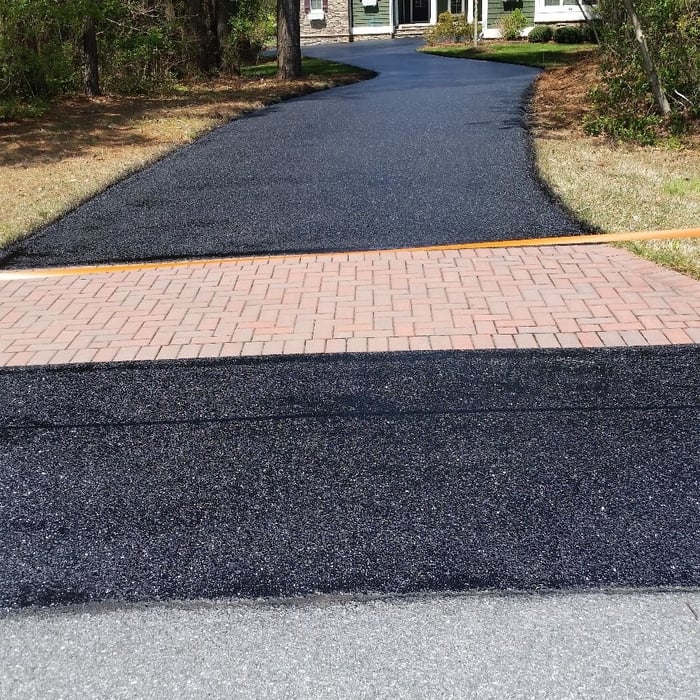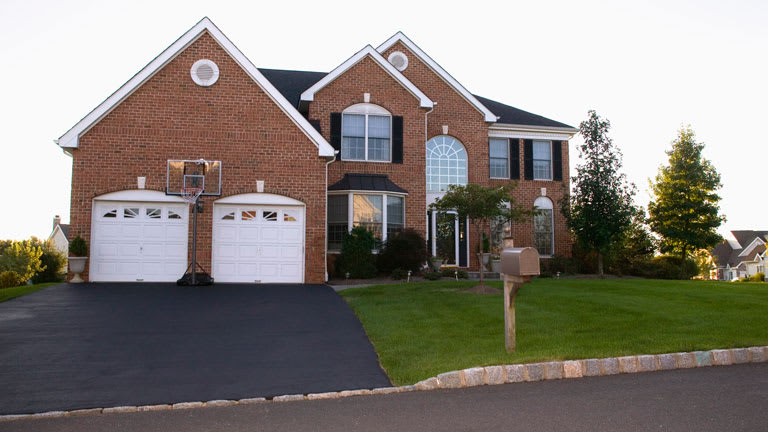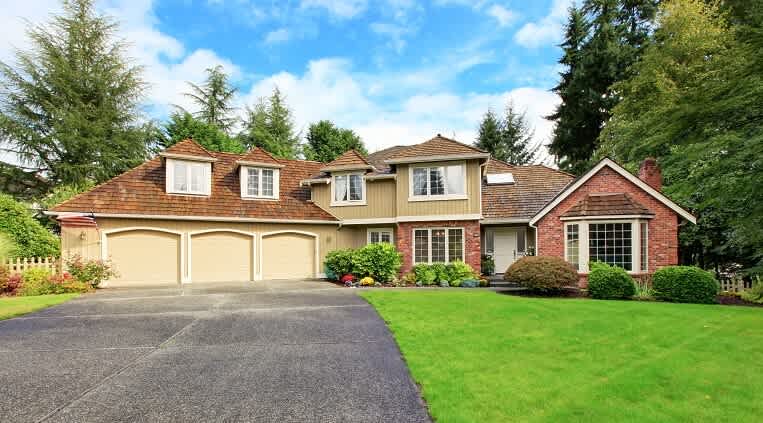
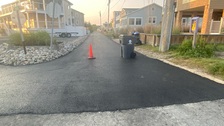



"Dennssealcoating did an excellent job on my driveway They filled in all the cracks put a nice coat on and very professional . They took their time and did it right .My driveway will last for years Ià ¢à  à  m sure. This company is the best if you donà ¢à  à  t use this company you will definitely regret it."
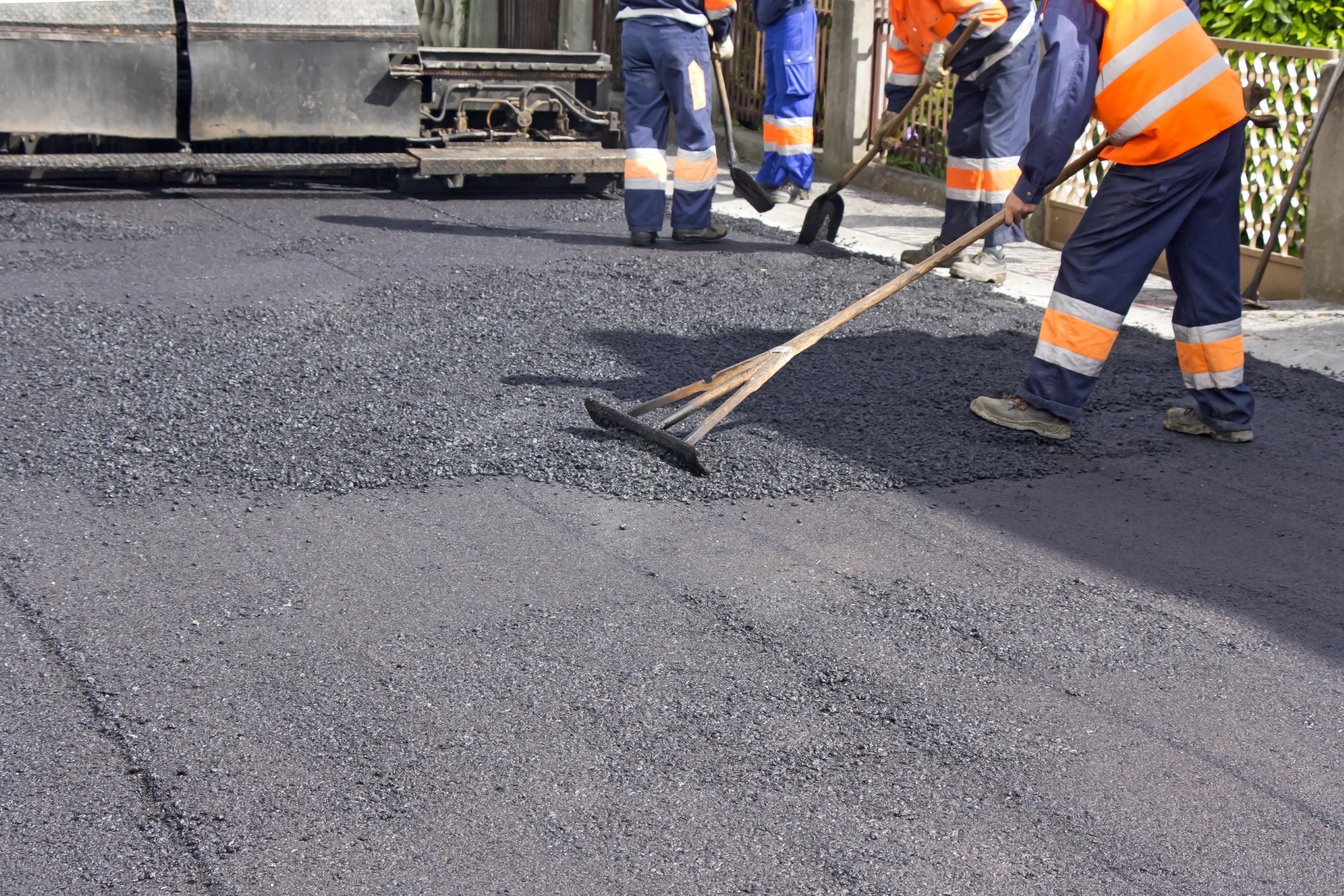
"Jimmy and he crew did an excellent job. They removed some roots underneath the old cracked driveway and build a new foundation for a new layer of asphalt."
"Blair Carmean & Sons did a great job installing my new driveway. Mike explained what he was going to do and answered all my questions. Thanks to Mike and his crew."
Chip seal layers gravel and a liquid bitumen one at a time on-site, while asphalt directly pours a pre-combined mixture. Asphalt must be sealed, but it will last up to four times as long as chip seal driveways. Aesthetically, chip seal has a natural, rustic look compared to the traditional asphalt slab.
Cobblestone is just one of many driveway materials. Other, more economical, albeit less elaborate options include concrete, asphalt, and gravel.
If you want a material that most closely resembles cobblestone, your best option is bricks or pavers. Both cost anywhere from $10 to $50 per square foot and can be laid in all kinds of patterns. Depending on the type of paver you choose, you can also get a good bang for your buck by investing in durable natural stone.
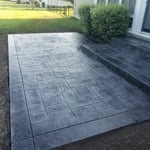
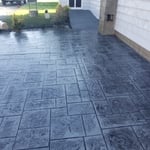
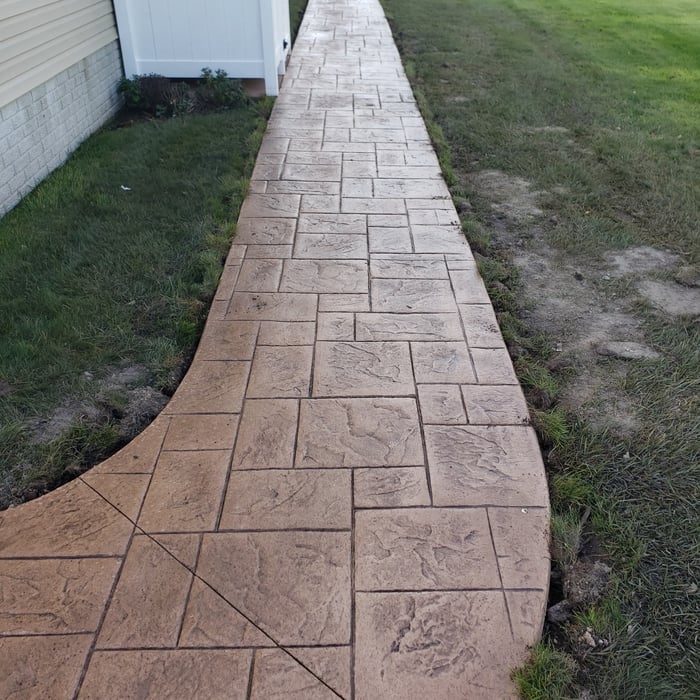
Concrete is typically the best material for a driveway if you’re looking for longevity, cost-effectiveness, and ease of maintenance. But, it’s not ideal for areas with annual freeze-frost cycles, nor is it the most attractive option—although you can get it stamped or painted. If your location is consistently below freezing, asphalt may be a better choice.
Asphalt is made of aggregate materials (sand, rocks, and gravel) and bitumen, a viscous, petroleum-based, waterproof substance. These materials are mixed together at extremely high temperatures to form asphalt.
Gravel is one of the few driveway materials that can handle rain the second it’s installed. Unlike asphalt, which needs days to set, or concrete, which requires weeks to cure, gravel is ready as soon as it’s compacted. It’s naturally permeable, allowing water to drain straight through—with no risk of pooling or surface damage. Gravel driveways are one of the most affordable, at $1 to $3 per square foot, and can also last upward of 100 years.
The Riverview, DE homeowners’ guide to asphalt driveway services
From average costs to expert advice, get all the answers you need to get your job done.
Adding a new asphalt driveway to your home can boost its overall appearance and give homeowners a nice ROI down the line. But how long do asphalt driveways last, and what can you do to maximize their lifespans? Read this guide to find out.