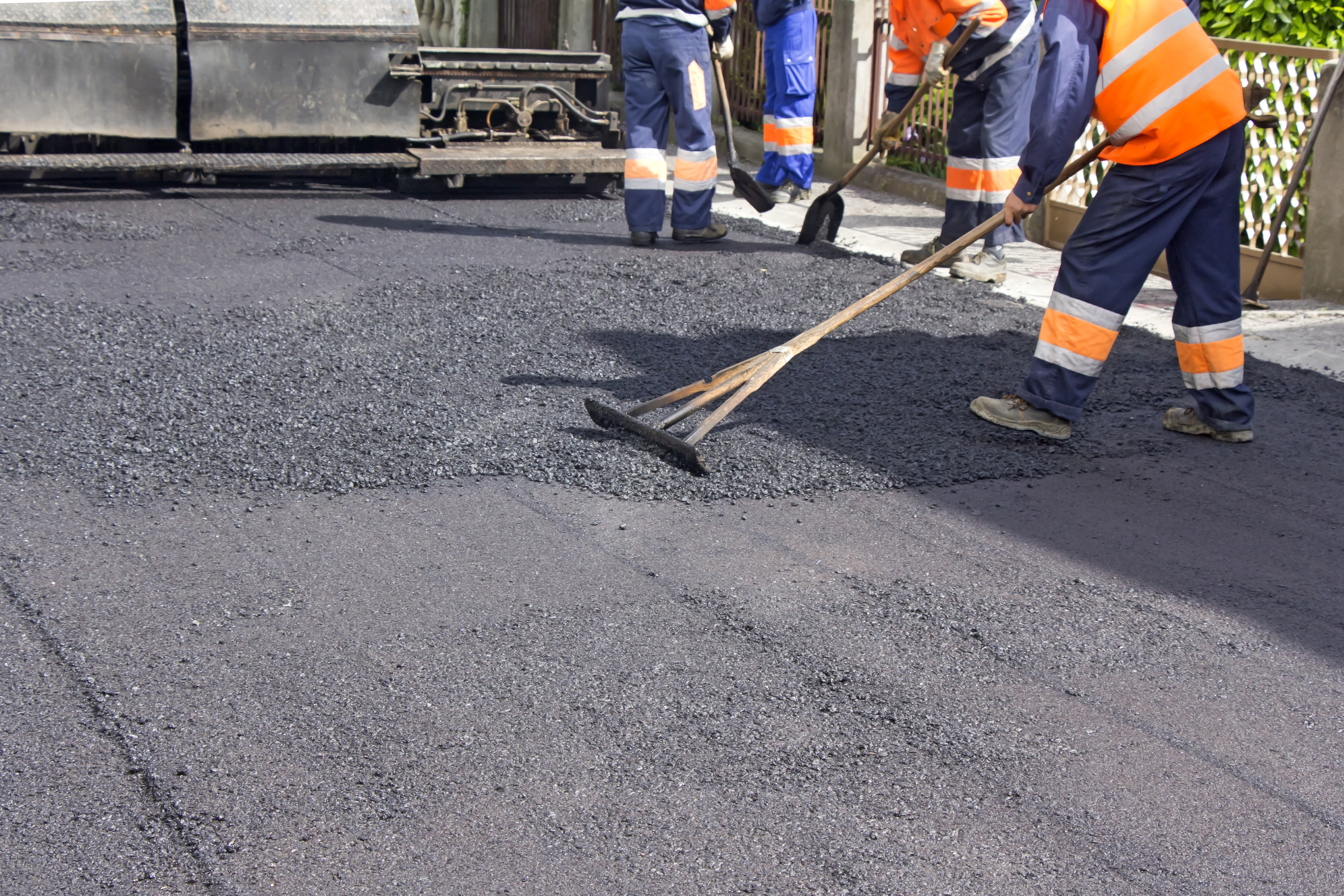
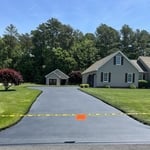
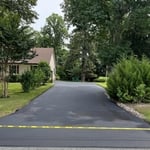
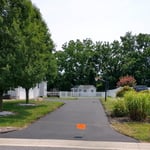
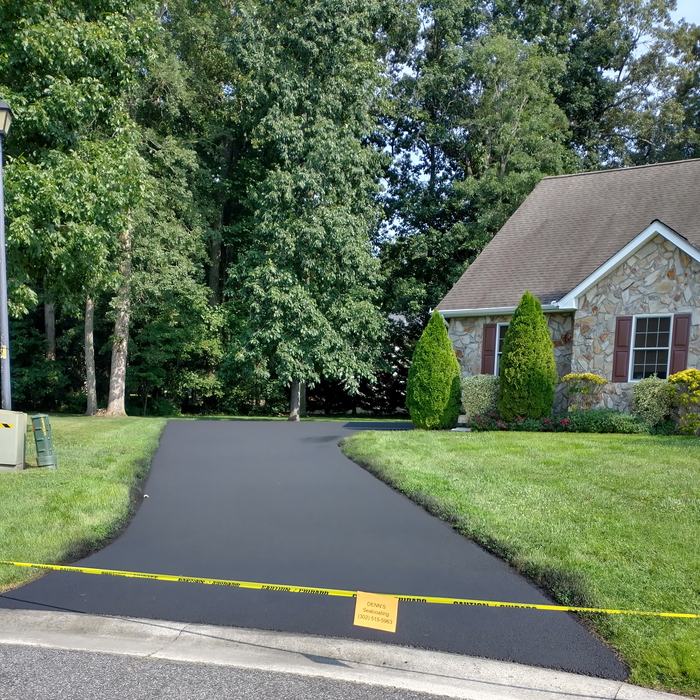
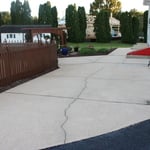
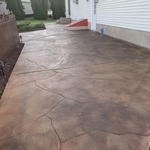
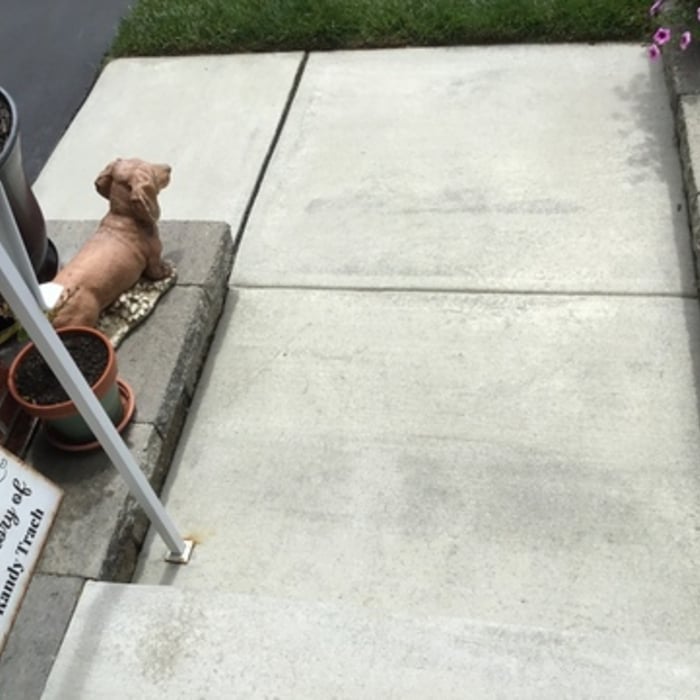
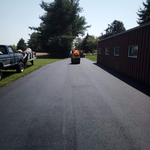
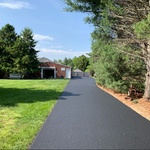
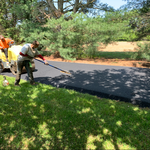
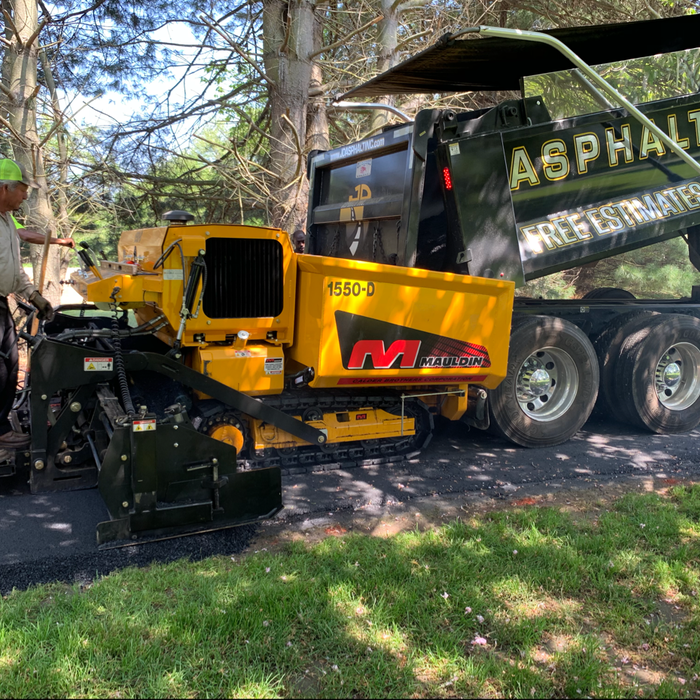
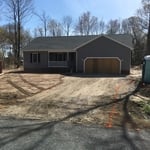
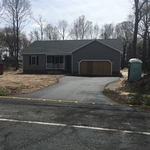
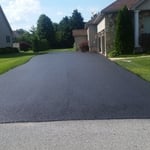
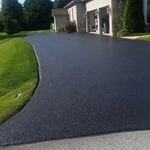
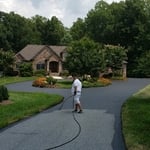
"Robert was very nice. He gave me an estimate, which included cutting out parts and replacing sections of my driveway, revealing the entire driveway and was able to do it in the same week. His men did a wonderful job and he came to check on them several times during the process. Highly recommend!!"
"Dennssealcoating did an excellent job on my driveway They filled in all the cracks put a nice coat on and very professional . They took their time and did it right .My driveway will last for years Ià ¢à  à  m sure. This company is the best if you donà ¢à  à  t use this company you will definitely regret it."
"Honestly, working with Joe was great and he made the entire process smooth and easy. Then to top it off, the quality of work is amazing! Anyone looking to pave their driveway needs to give Joe and his crew a call."
"Blair Carmean & Sons did a great job installing my new driveway. Mike explained what he was going to do and answered all my questions. Thanks to Mike and his crew."
"The team did a superb job. The team quickly responded to provide a quote. Once approved, they kept me informed of everything. They were respectful and understanding of the customer. D & S Brick receives my highest recommendation."
"Jimmy and his crew were on time, worked well together and completed our driveway in a professional and orderly fashion. I would strongly recommend Zweemer paving
Mason E"
Yes, recycled asphalt driveway costs can be substantially lower than new asphalt. With new asphalt costing between $90 and $190 per ton, this option can cost as much as 10 times more than laying down asphalt millings.
Yes, it is possible to pave over an existing driveway, but whether it's the right choice depends on several factors. If the underlying structure of your current driveway is still strong, concrete or asphalt resurfacing can be a cost-effective way to prolong its life. However, if your driveway has significant issues like potholes, deep cracks, or other inconsistencies, it is best to remove the old driveway and start from scratch. Key factors to consider include the current driveway's condition, the compatibility of the new material, the added thickness and height, and the necessary surface preparation.
The answer to whether or not you need to get a permit before you start your driveway can vary widely based on local ordinances and the scope of your driveway ideas. In most urban and suburban areas, a permit is needed before building a new driveway to ensure that a homeowner is using safe materials and proper drainage practices while designing and constructing a new driveway. In some rural areas, a homeowner may not be required to apply for a permit. When building a new driveway on your own, always check with your local building department to see if you need to request a permit. When hiring a driveway contractor, verify that the right permits are being used before driveway construction begins.
Asphalt edging secures the sides of your driveway to prevent crumbling and cracking over time. Most driveways have edges with a 45-degree grading. This helps transfer some of the stress from the asphalt to the ground underneath. If your driveway doesn’t have proper edging, the pressure from your car may break down the edges over time.
Driveways should be sloped with a minimum 2% slope—anything lower will cause precipitation and runoff to collect. A 2% slope is the equivalent of a 2-foot rise over 100 feet. One quick way to check the integrity of your driveway’s slope: no more than four inches of water should collect on the surface longer than 15 minutes after rain.
The Felton, DE homeowners’ guide to asphalt driveway services
From average costs to expert advice, get all the answers you need to get your job done.
Adding a new asphalt driveway to your home can boost its overall appearance and give homeowners a nice ROI down the line. But how long do asphalt driveways last, and what can you do to maximize their lifespans? Read this guide to find out.