



Top-rated haulers.

Get matched with top haulers in Windsor Locks, CT

Enter your zip and get matched with up to 5 pros

TRUSTED BY WINDSOR LOCKS, CT HOMEOWNERS

  • Average homeowner rating star icon4.7
    Average homeowner rating
  • Verified reviews icon103
    Verified hauling services reviews

Find Haulers in Windsor Locks

Avatar for DirtyWorks LLC
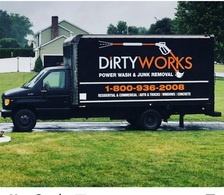
DirtyWorks LLC
5.0(
10
)
Waste, Junk, Building Materials and Debris - Remove and Haul

Serving Windsor Locks, CT and surrounding areas

Approved

In business since 2019

Free estimates

Credit card accepted

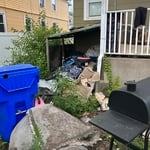
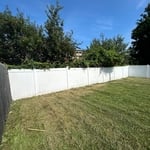
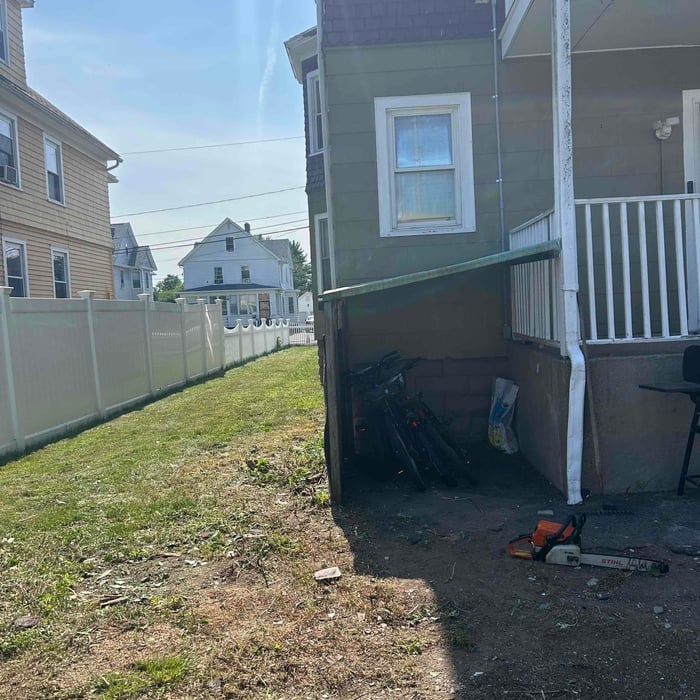
"Mike and his crew were wonderful to work with. They were professional and always communicative, worked very neatly and executed this project very well. And they were very courteous to say the least. I ended up rehiring for a large fence removal. He also did some hauling of debris just before my house sold and went the extra mile and taking an old shelf out of the basement."
Response time4 hrs
Response rate100%
40 neighbors recently requested a quote
...
Showing 1-10 of 129
Hauling questions, answered by experts

How to dispose of excess sealant depends on the type of sealant you need to get rid of. You can simply allow latex or water-based sealants to dry out before including them in your normal household waste. Sealants that contain oils or polyurethanes require disposal at a hazardous waste disposal site or recycling facility.  

While a biohazard cleanup sounds like a scary process, knowing what to expect can help ease your concerns and set you up for success. It’s good to note that more than one professional might be needed depending on your situation, but that will be determined during the assessment. What you can expect during a home biohazard cleanup is the following:

  • Assessment: The first step in this process is for a biohazard cleanup professional to assess the damage. They create a report that includes the biohazard safety level, the needed damage cleanup, and the time it should take to complete the project. 

  • Setup: The cleanup professional prepares the site to prevent cross-contamination and reduce toxicity risk. This process can include tarping and creating decontamination zones. 

  • Removal of surface contamination: Any contaminated materials are removed from the area, starting with large materials followed by small ones. The professional can assess any floor-related damage once everything is removed from the site. 

  • Salvaging items: The biohazard cleanup professionals assess which items can be saved and which are contaminated beyond the point of saving. Those deemed unsafe will be disposed of immediately. 

  • Waste disposal: The next step is carefully disposing of the hazardous waste. Your professional will place the contaminated items in specific containers to keep the contamination from spreading.   
  • Disinfection: The house will be disinfected and odor-neutralized. Even more minor details, like light switches and bulbs, will be disinfected so that they do not recontaminate the area in the future. 

  • Restoration: Once the decontamination is complete, the last step is to restore the home. This includes repairing the damage to flooring, walls, or even the home's foundation.  

In many cases, you can sell or upcycle rebar that you don't need. Rebar is often repurposed to make furniture, decorations, and other structural projects. However, if you want to recycle rebar, you'll need to separate it from any other materials you worked with, like concrete, and then contact your local municipality to see if they have a recycling program near you.

Professionals safely remove water or fuel tanks by emptying the contents, cutting and disconnecting lines, and lifting the tank for disposal while adhering to environmental regulations.

Costs depend on waste volume, service frequency, and additional options like bulk pickups.

The Windsor Locks, CT homeowners’ guide to hauling services

From average costs to expert advice, get all the answers you need to get your job done.