

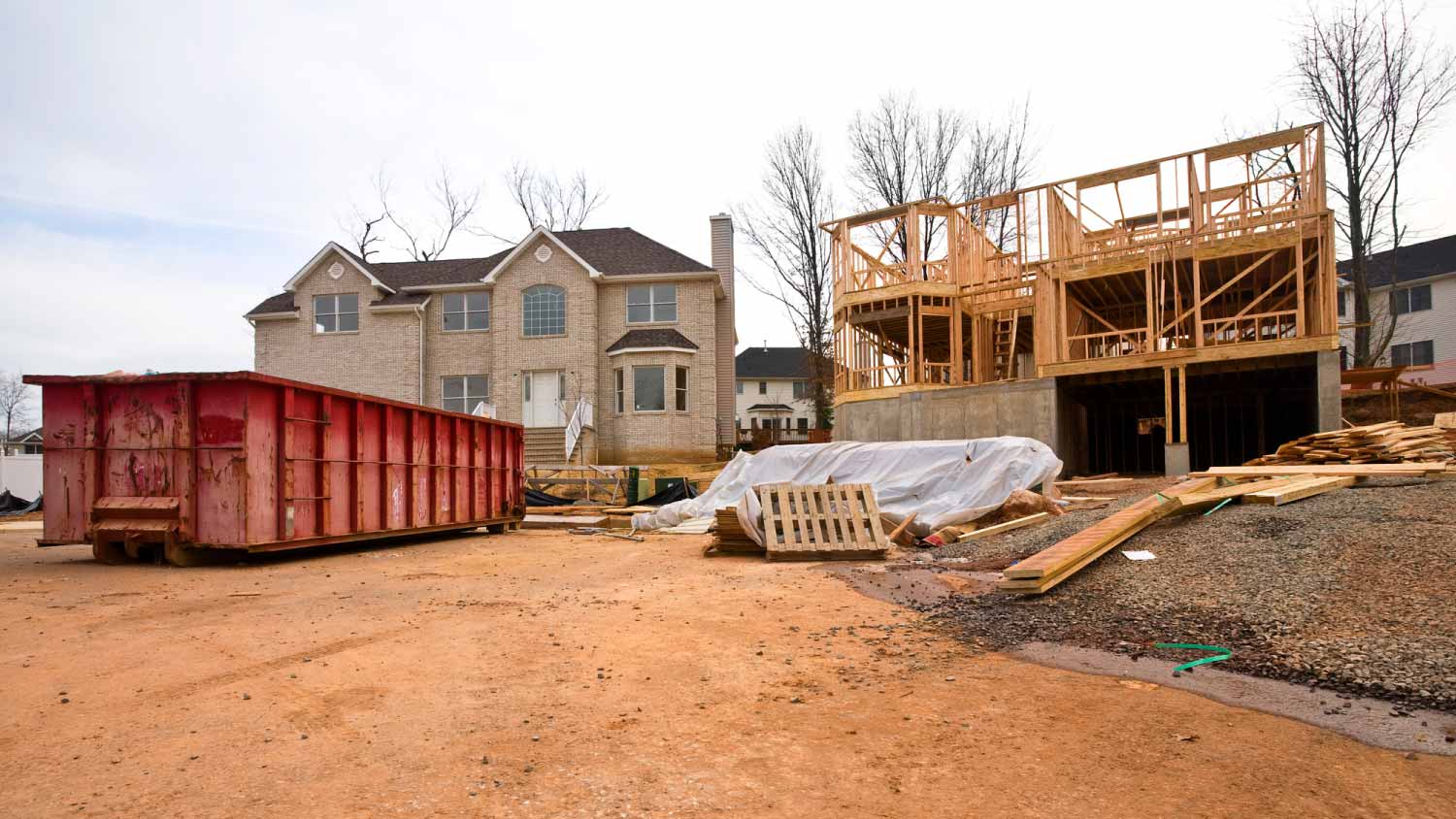
Learn how much construction debris removal costs, exploring how factors like the volume, debris type, and removal method affect your final price.
Hauling costs depend on your project and location. Check with a local pro for your specific job.

Professional junk removal costs average $241, though your total depends on how much debris you need hauled and the type of waste.
The volume of junk you need removed determines your cost, with bulky appliances and furniture costing more than lightweight items.
You should account for disposal fees, dumpster permits, and labor when creating your budget, with labor costs between $100 and $300.
Hiring a local junk removal professional handles the heavy lifting and proper disposal while protecting your home from damage during the haul.
In 2026, homeowners across the country pay a national average of $241 for junk removal, based on 44,583 verified projects from Angi Pros. Most people spend between $133 and $372, with your total driven by the volume of waste, the type of materials being hauled, and labor costs (between $100 and $300). If you're clearing out a single room versus an entire property, or dealing with heavy appliances instead of lightweight clutter, your final bill can shift significantly.
Junk removal is not the same as standard residential trash pickup, which typically costs $25 to $100 per month and is often bundled into your property taxes or utility bills. For our purposes, junk removal covers bulky items, electronics, appliances, and chemicals that cannot go in your weekly trash bins—think large furniture, tires, construction equipment, paint cans, or oversized yard waste. If you are unsure whether an item qualifies as junk, check with your local waste management service or sanitation department before scheduling a pickup.
Prices start at a minimum charge of $60 to $150 for a single bulky item, rise to around $600 for large appliances and furniture, and can reach a maximum of around $700 for a full truckload of mixed garbage. The type of junk you need removed is the first question any pro will ask, and it has a direct impact on your cost. Hazardous materials and items requiring special disposal will push costs toward the higher end of that range.
The table below covers standard prices for the most common types of junk homeowners need removed:
| Type of Junk | Average Cost to Remove in 2026 |
|---|---|
| Bulky furniture | $80–$400 per piece |
| Carpeting | $75–$300 |
| Construction debris | $100–$800 |
| Electronics | $20–$200 |
| General debris | $100–$800 |
| Hazardous waste | $150–$300 |
| Landscaping material | $140–$180 per ton |
| Major appliances | $60–$250 |
| Mattresses | $75–$150 |
| Pool equipment | $60–$200 |

The volume of debris you need removed is the second most important cost factor in junk removal, with a small truckload starting at $75 and a large truckload going up to $800. Weight, bulkiness, and truck compatibility all influence the final price.
Pros typically quote jobs based on cubic yards, and you may need to pay for a minimum of 2 cubic yards—roughly one-eighth to one-quarter of a truckload—even if your haul falls short of that. Items that require special equipment or multiple people to lift will increase labor costs on top of the volume-based rate.
Here's how the quantity of your junk affects the removal cost with a 20-yard dump truck:
| Quantity of Trash | Average Cost in 2026 |
|---|---|
| ⅛ of a truckload (2–3 cubic yards) | $75–$125 |
| ¼ of a truckload (3–4.5 cubic yards) | $125–$200 |
| ½ of a truckload (4.5–11 cubic yards) | $200–$400 |
| ¾ of a truckload (11–13 cubic yards) | $400–$600 |
| Full truckload (13–17 cubic yards) | $600–$800 |
Depending on the company, dumpsters are often priced based on the cubic yard capacity and/or weight limits, with additional fees for exceeding the limit. To avoid extra charges, homeowners and business owners should be mindful of weight restrictions and avoid overloading the dumpster with heavy materials.
The cost to rent a dumpster runs around $380 for a single week, covering haul-away service, permit costs, and dumping fees. Renting a dumpster is a practical alternative to full-service junk hauling, and it often costs less since you handle the loading yourself. If you need a large roll-off dumpster, that price can climb to $800 per week.
Here's a breakdown of dumpster rental costs per week, based on dumpster size in cubic yards:
| Dumpster Size in Cubic Yards | Average Cost per Week in 2026 |
|---|---|
| 2 | $75–$200 |
| 5 | $150–$175 |
| 8 | $225–$325 |
| 10 | $250–$575 |
| 20 | $275–$700 |
| 30 | $300–$725 |
| 40 | $350–$800 |
Some dumpster companies allow you to rent a dumpster for one or two days instead of a week, which can save you money and limit the amount of time a dumpster is parked on your property.
The largest roll-off dumpster can hold around 40 cubic yards of debris, so you'll be able to get more junk in it than a haul-away service would in a standard truck, potentially saving you money.
Hauling debris to the landfill yourself costs between $50 and $100 per ton, depending on local rates. Most junk removal pros include these fees in their base price, so DIY hauling is only a money-saver if you have a truck and are willing to invest the time and effort. If you go the self-haul route, confirm the landfill's accepted materials and hours before making the trip.
Recyclable items like tires, scrap metal, and some electronic waste still come with hauling and recycling fees—tires, for example, cost $5 to $15 per tire to recycle. If your area has local recycling programs and you have a vehicle to transport the materials, you may be able to drop them off at no charge beyond your own time and effort. It is worth calling ahead to confirm what your local program accepts before loading up your vehicle.
Deep cleans often cost about $0.20 per square foot or between $120 and $360 as a flat fee for the whole house. If you need a house fully emptied, junk removal is often just the first step—you will likely need cleaning professionals for a deep clean or general cleanout once the junk is gone. Budgeting for both services up front will give you a more accurate picture of your total project cost.
When you need your junk removal services affects the cost, too. Most homeowners carry out construction and renovation projects in the spring and early summer, so your costs could be a touch higher during these seasons. You might want to time your junk removal services for the off-season to save a bit of money.
Additionally, if you need to get rid of your junk in a rush, you could pay a small premium to expedite the junk removal.
Local disposal fees apply regardless of whether you haul your junk yourself or hire a pro, and they typically run $50 to $100 per ton. Hazardous waste is a different story—special handling and facility requirements drive those fees up significantly, with costs reaching $250 to $500 per ton if your waste is considered hazardous. Ask your junk removal company upfront whether disposal fees are included in their quote or billed separately.
In most cases, labor costs for junk removal fall between $100 and $300, depending on the volume, weight, and bulkiness of what needs to be hauled. Labor makes up the largest share of any junk removal bill and is typically included in the base rate for professional service or the cost to rent a dumpster. Difficult access—such as navigating stairs or tight hallways—will push labor costs toward the higher end of that range.
If you need to park a dumpster on public property—such as a street or sidewalk—you will likely need a permit, which costs anywhere from $10 to $100 a week, depending on your location. Most junk hauling companies include standard dumping fees in their dumpster price, but disposing of hazardous materials can push your total significantly higher. Check with your municipality before scheduling delivery to confirm permit requirements and avoid unexpected fees.
Your geographical location and where the junk sits on your property both affect your final junk removal cost. In higher cost-of-living areas, labor rates rise accordingly, and you could pay 10% to 20% more or less than the national average depending on where you live. Junk that is difficult to access—such as appliances on upper floors or debris in tight spaces—adds to labor time and cost regardless of your region.
Here's how the average dumpster rental cost varies based on location:
| Location | Average Dumpster Rental Cost in 2026 |
|---|---|
| Grand Rapids, MI | $400–$800 |
| St. Cloud, MN | $300–$540 |
| Seattle, WA | $340–$660 |
| Fort Myers, FL | $320–$530 |
| Steamboat Springs, CO | $280–$380 |
| Los Angeles, CA | $400–$1,000 |
| New York City, NY | $500–$1,000 |
| Austin, TX | $320–$480 |
| Boone, NC | $560–$700 |
| Great Falls, MT | $300–$480 |
Additionally, professionals will consider how much of their time and effort will go into accessing the junk once they're on your property. If you have landscaping debris on the front lawn, and your pro can back the truck up right to the area for easy loading, you'll pay less for labor than you would if you have appliances or bulky furniture that you need your movers to maneuver up or down stairs and around tight corners in your home.

The type of junk you need removed plays a major role in determining your total cost, from lightweight electronics to heavy construction debris. Common categories include construction waste, appliances, furniture, electronics, yard waste, and hazardous materials, each priced differently based on disposal requirements and labor involved. Knowing the typical cost range for your specific junk type helps you compare quotes and avoid surprises.
Construction waste removal typically costs $100 to $800 when charged by the truckload, which is the most common pricing method since mixed debris is easier to measure by bulk than by piece. Most pros will weigh the debris or charge by the truckload rather than pricing individual items. In areas with high disposal rates for construction materials, costs can climb to $1,300 to dispose of a 20-yard dumpster's worth of debris.
Appliance removal costs vary based on the type of appliance and what it contains, with a washing machine costing $75 to $150 and a hot tub costing $200 to $600. Chemicals like freon in refrigerators and freezers can increase the price, while appliances with valuable scrap metal can lower it.
Before scheduling a pickup, check your local requirements for properly disposing of large appliances, since some items cannot simply go to a standard landfill.
The table below includes some common junk removal prices for appliances:
| Appliance | Average Removal Cost in 2026 |
|---|---|
| Boiler/furnace | $200–$400 |
| Dishwasher | $75–$150 |
| Dryer | $80–$200 |
| Freezer | $100–$200 |
| Fridge | $50–$150 |
| Hot tub | $200–$600 |
| Oven | $80–$200 |
| Washing machine | $75–$150 |
| Water heater | $90–$200 |
| Window AC | $50–$90 |
For furniture-only jobs, most pros charge a minimum flat fee of $75 to $150 and then price each additional piece by volume and weight. The cost to haul away furniture is usually calculated on a per-piece basis, though you may pay by the truckload if furniture is mixed in with a general junk removal haul. Heavier, bulkier items that require maneuvering through tight spaces or up stairs will cost more due to increased labor.
Here's a breakdown of the estimated costs to remove different furniture items:
| Furniture | Average Cost to Remove in 2026 |
|---|---|
| Armchair | $50–$100 |
| Bookcase | $75–$200 |
| Carpet | $75–$300 |
| Couch | $100–$200 |
| Dining table | $100–$200 |
| Entertainment center | $100–$300 |
| Mattress | $75–$150 |
| Patio set | $150–$250 |
| Piano | $200–$400 |
Keep in mind that slightly worn items may have a home at your local charity or second-hand store. If that's the case, and you can transport the furniture yourself, you'd likely pay nothing for disposal.
Most haulers charge a flat trip fee of $75 to $100 regardless of how little e-waste you have, so it pays to wait until you have a collection before scheduling a pickup. Electronics are classified as hazardous waste and require special disposal, especially items with batteries. Larger items like standalone printers can cost around $200 to remove.
Yard waste removal costs depend on the scale of the job, with a standard fall or spring cleanup from a landscaper will cost between $100 and $250. If you need large debris hauled—branches, leaf piles, stones, and similar material—the service will run between $70 and $500 depending on volume. Larger, heavier loads that require multiple trips or special equipment will push costs toward the higher end of that range.
The cost of hazardous waste removal depends on the type of waste, with batteries starting at $0.10 per pound and fire extinguishers going up to $12 per pound. Pricing is higher than standard junk hauling because the materials require special handling and must go to a designated facility rather than a landfill.
Common household items classified as hazardous waste include paint, paint thinners, freon, certain light bulbs, automotive liquids, household cleaners, lawn care chemicals, and pool chemicals. Companies typically price hazardous waste jobs based on the specific material and total weight, so costs vary widely.
Here are the estimated junk removal costs for hazardous waste:
| Hazardous Waste | Average Removal Cost in 2026 |
|---|---|
| Automotive liquids | $0.80–$2.50/gallon |
| Batteries | $0.10–$10.25/lb |
| Electronics (e-waste) | $0.80–$1.50/lb |
| Fire extinguishers | $8–$12 each |
| Household cleaners | $4.00/lb |
| Lawn chemicals | $2.25–$4/lb |
| Lightbulbs | $1–$2 each |
| Paints/solvents | $0.80–$4/lb |
| Pool chemicals | $4/lb |
Hiring a professional junk removal service near you makes clearing out unwanted items easier, faster, and far less stressful than going it alone. A trained team brings the right tools, vehicles, and expertise to safely remove everything from furniture and appliances to yard debris and renovation leftovers. They handle the heavy lifting, sorting, and proper disposal—often recycling or donating usable items—and use the right techniques to protect your walls, floors, and doorways throughout the process.
Removing junk from your home can get overwhelming quickly. Consider the benefits of hiring a pro:
Professionals handle all the heavy lifting, sorting, and hauling so you don't have to.
They know how to properly dispose of items, including tricky items such as electronics, appliances, and hazardous materials.
Many companies try to remove junk the eco-friendly way and recycle or donate usable items instead of sending everything to the landfill.
Pros use the right equipment and techniques to avoid damage to walls, floors, and doorways.
Pro services carry coverage to protect you from injury or damage claims.
While it's best to leave major junk removal tasks to the pros, you can assist by completing these minor prep tasks:
Sort your items based on their next location, ranging from the local dump to the donation center.
Consider renting a dumpster for construction or remodel projects.
Separate general waste from hazardous waste, including fertilizer, paint, and medications.
A few smart moves before and during your junk removal project can meaningfully reduce what you pay. Knowing where costs tend to add up—and how to avoid them—puts you in a better position to get the job done without overspending.
DIY what you can: Any work you can do yourself or with the help of friends and family will save you money on labor. If hauling the junk away isn't feasible, consider renting a dumpster instead.
Donate items, if possible: Contact local charities for donatable items and textiles. Habitat for Humanity commonly has donation sites where you can haul your items.
Lean on bulk pickup: Many local cities and townships will offer bulk pickup included in your regular sanitation service costs to get rid of one or more large items each month, so always look into these services if you only need a few items taken away.
Look for local hazardous waste disposal programs: If you need to get rid of household hazardous waste, check your area for collection programs. You'll need to transport the material yourself, but there's often no fee for disposal.
Give away tree debris: Advertise branches or tree debris to locals seeking free firewood.
Prepare your collection site: If you're having a professional come pick up your items, gather your debris into one area to reduce lifting and sorting costs, if possible. Any time you can save your professionals money, you'll save on labor costs.
Get multiple quotes: Shop around to speak with at least three local junk removal companies to compare quotes.
Be ready to discuss with a pro the amount and type of items they need to remove and where they will be removed from.
Specify the desired location of each type of item, ranging from the local dump to a recycling center.
Ask your junk removal pro whether you need to bag or box items up beforehand to prepare for their arrival.
Home is the most important place on earth, which is why Angi has helped more than 150 million homeowners transform their houses into homes they adore. To help homeowners with their next project, Angi provides readers with the most accurate cost data and upholds strict editorial standards. We’ve surveyed over 30,000 real Angi customers about their project costs to develop the pricing data you see, so you can make the best decisions for you and your home. We pair this data with research from reputable sources, including the U.S. Bureau of Labor Statistics, academic journals, market studies, and interviews with industry experts—all to ensure our prices reflect real-world projects.
Want to help us improve our cost data? Send us a recent project quote to [email protected]. Quotes and personal information will not be shared publicly.
A reliable team for moves across state. My switch to a new place needed careful lifting through tight hallways. The movers checked the doorway first, then carried heavier pieces with slow, controlled movements. Their patience helped prevent damage, and I?d choose them again.
This company is professional and efficient. We have used them for two moves and will definitely use again if needed. The drivers/movers have been pleasant and well mannered. The dispatcher is easy to work with and communicated well through out the process. Their assistance it completely worth...
 All My Sons Moving & Storage
Incredible workers! Very skilled with the machinery, climbing, cutting, roping, and removal. Handled everything. Professionals!
 Hoffman Expert Tree Services
Excellent experience in mounting our 77 inch TV with in wall cable management. Service was efficient and would highly recommend!
 Tether House
Window Depot did an amazing job on my deck. I wasnt sure what I wanted to do, but their composite decking was affordable and will last a long time. I am excited to have family over, and I am no longer embarrassed by my backyard. Jeff and the ground crew were polite, respectful, and caring for...
 Window Depot USA of Central Ohio
Storms Mobile Welding was great to work with. They were prompt, professional and did an overall excellent job on the project. I highly recommend.
Cameron and his crew did an excellent job. On time, professional and courteous. My driveway looks awesome!!
 All Star Paving and Sealing
Did an amazing job transforming my yard. Also installed sod in places, would recommend to everyone.
 Cardinal Landscaping & Construction LLC
Absolutely amazing, Rob and his team are extremely efficient and professional. Pink Dumpster Rentals, Demolition, And Hauling is a go to for getting my property cleared up so we can pursue the upgrades we want to make on our home.
 Pink Dumpster Rentals, Demolition, And Hauling
I am very pleased with the services performed by OTS. Bless my late Mother, but she was a bit of a pack-rat. The basement of her home was crammed with 40+ years of "stuff," and the other companies I contacted were concerned with possible mold contamination of the items due to the musty smell...
From average costs to expert advice, get all the answers you need to get your job done.
Learn how much construction debris removal costs, exploring how factors like the volume, debris type, and removal method affect your final price.

Mattresses are considered hazardous waste, so you’ll likely have to pay disposal fees. Use this guide on mattress removal costs to see what your total will be.

Furniture removal costs depend on the type, size, and location of items. Learn the average cost of furniture removal to free up room in your home.
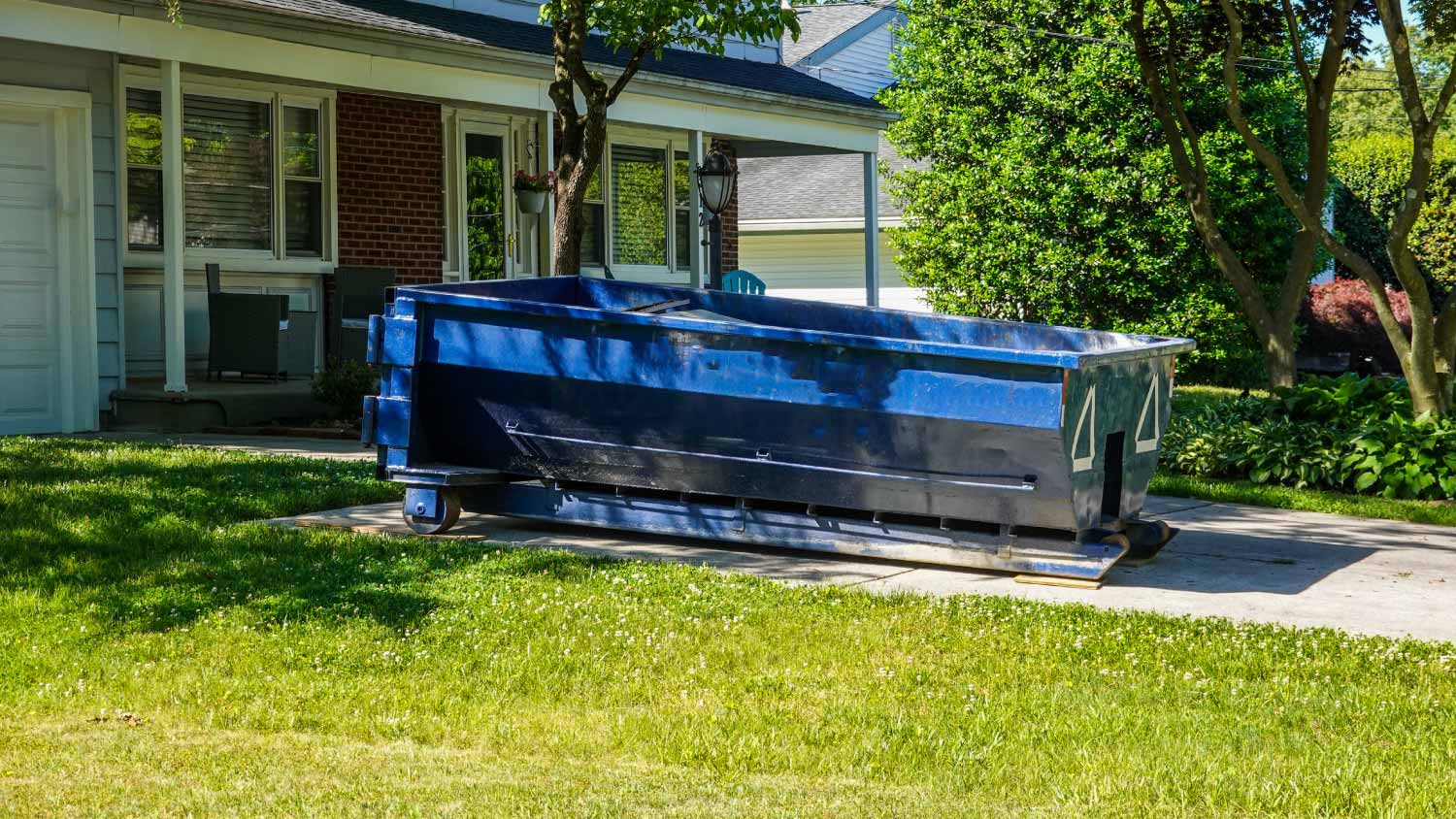
Junk removal services will haul away your clutter and save you multiple trips to the dump. Learn how to prepare for junk removal to make the process easier.
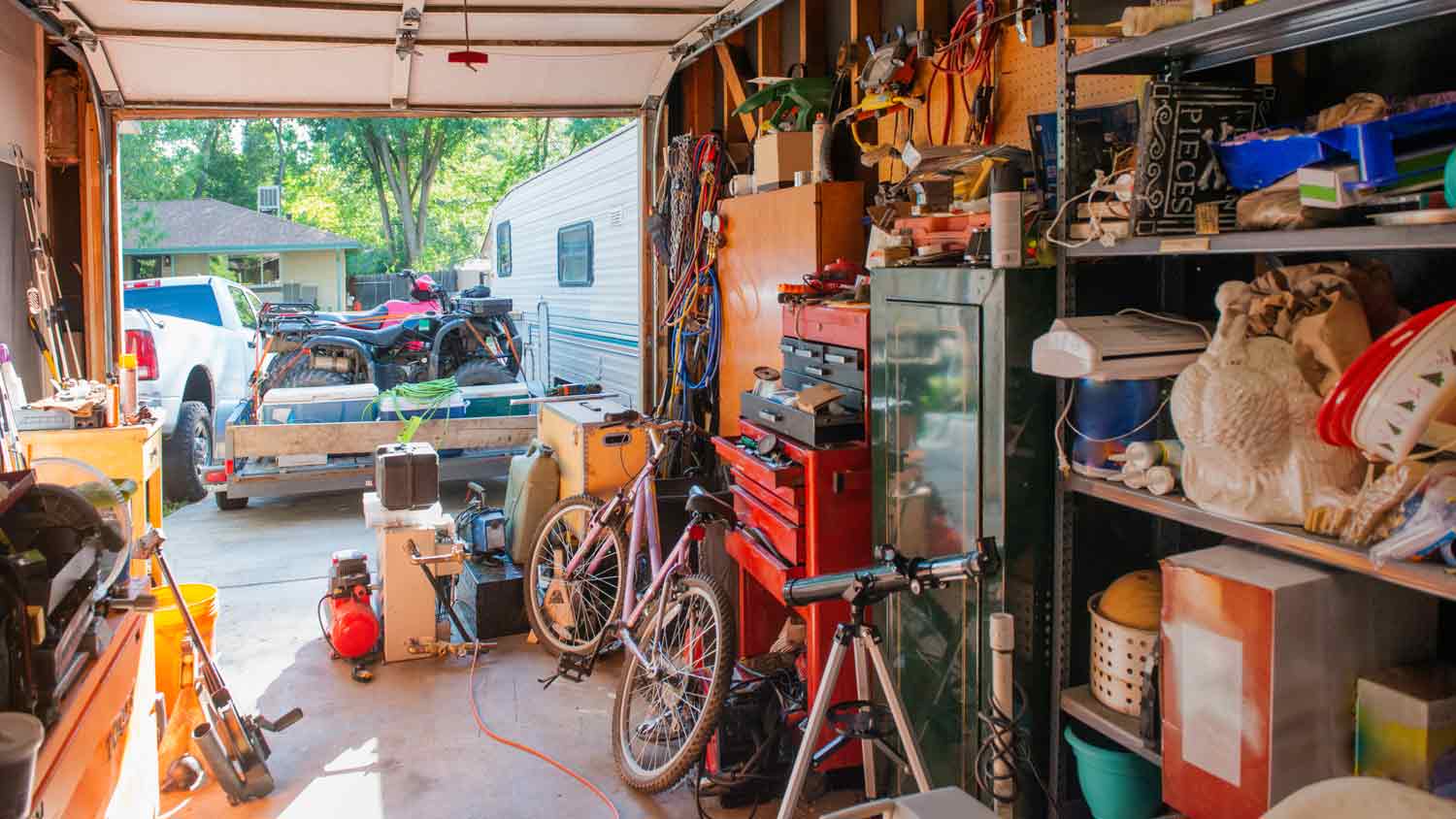
Junk can easily accumulate and overcrowd your home if you don’t get rid of it. Here are five key signs you need junk removal.

From that old gas grill to piles of torn-up linoleum, you may be wondering, "Who can haul my junk away?" Here's who to call when your junk is piling up.