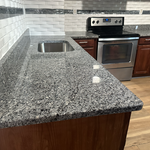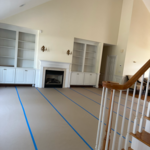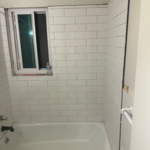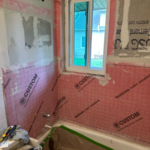



Top-rated drywall pros.

Get matched with top drywall pros in Stonington, CT

Enter your zip and get matched with up to 5 pros

Need a pro for your drywall service project in Stonington, CT?

Select your specific project to find the pro for you.

TRUSTED BY STONINGTON, CT HOMEOWNERS

  • Average homeowner rating star icon4.6
    Average homeowner rating
  • Verified reviews icon97
    Verified drywall services reviews

Find Drywall pros in Stonington

Avatar for Paul Enterprises, LLC
Paul Enterprises, LLC
4.6(
96
)
Drywall - Repair

Serving Stonington, CT and surrounding areas

Approved

Super Service Award Winner

In business since 1987

Free estimates

Small jobs welcome

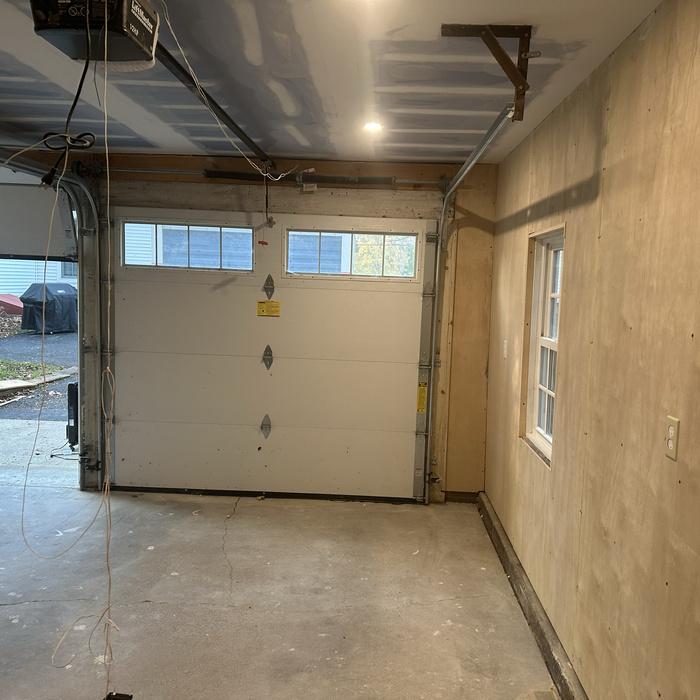
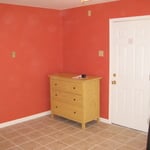
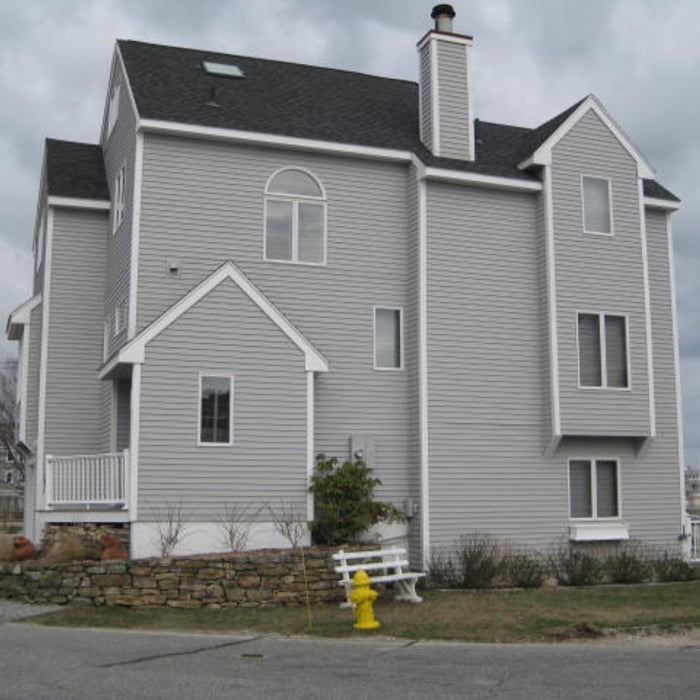
"Bill and his crew were efficient, knowledgeable and offered to caulk baseboards as well. I would happily show a photo of end product ( floor) but cannot figure out process. I highly recommend. ð . Also very friendly"
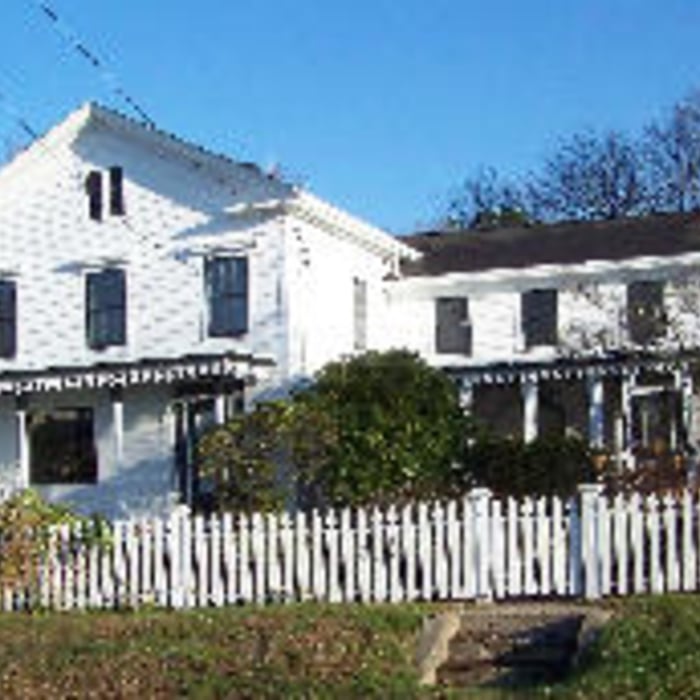
Traditional Home Exterior
Interior Painting
Bathroom Remodel/Makeover - Mason's Island
Interior painting - Mason's Island
 Home painting

+38

Response time1 day
14 neighbors recently requested a quote
Recommended by93%of homeowners
Avatar for Mr. Handyman of Norwich, New London and Glastonbury
Mr. Handyman of Norwich, New London and Glastonbury
5.0(
5
)
Drywall - Repair

Serving Stonington, CT and surrounding areas

Approved

In business since 2007

Free estimates

Emergency services offered

Mr. Handyman is your one-stop shop for a wide range of home maintenance and repair solutions. Our service technicians are highly skilled craftsmen with over 10 years experience in the field. Each member of our team is an employee of Mr. Handyman, not a subcontractor. We can accommodate small projects like changing light bulbs, to larger projects like deck builds and interior renovations. Our technicians are skilled in a variety of craft from frame to finish. We hold a valid Home Improvement Contractor license, offering services such as drywall, flooring, carpentry, light electrical & plumbing, decking, framing, and many more. Our service technicians are background checked and drug tested. We are licensed, bonded, insured, and guarantee our work.

Additional Photos
Additional Photos
Additional Photos
Additional Photos
Additional Photos

+4

...
Showing 1-10 of 105
Drywall questions, answered by experts

The two most common drywall thicknesses for ceilings are 1/2-inch and 5/8-inch. For most standard residential applications, 1/2-inch drywall is sufficient and widely used. It provides adequate support and is lighter and easier to handle during installation compared to thicker sheets. However, 5/8-inch drywall is often used for specific cases where additional benefits are needed. It is heavier but provides superior sound dampening and fire resistance. You should consider using 5/8-inch drywall for ceilings in commercial buildings, between a garage and a living space, or above a finished basement to meet building codes or for enhanced soundproofing.

Yes, taping inside corners is a critical step in the drywall installation process.  Properly taping inside corners is essential for achieving a professional look, and an installation that resists cracking and maintains its integrity over time. Taping the corners involves the application of a joint compound along the seam where two drywall pieces meet. This process provides reinforcement, conceals the seam, and prevents future gaps or cracks from developing.

You should do a little bit of sanding between adding coats of mud. Knock down any ridges or significantly imperfect areas through sanding, which should help you apply the next coat of mud smoothly. If your first coat of mud is pretty smooth after it dries, a quick sanding is all you’ll need. Don’t forget to wipe away any dust after each sanding process.

Plaster is a beautiful finish but is labor-intensive to install and remove. It’s vulnerable to cracking and more sensitive to moisture variance than drywall. Installing plaster on a new wall is an expensive process that can take days to weeks, depending on the scope. Removing a plaster wall can also be quite expensive and time-consuming.

Yes, if there is mold in your drywall mud and you then use it to build walls in your house—or if mold develops in your set drywall, like it can in hot and humid areas—it can lead to illness. Mold in your drywall (or other parts of your home) can make existing respiratory conditions or allergies worse, and the effect can be more intense for those who have existing health issues or compromised immune systems.

The Stonington, CT homeowners’ guide to drywall services

From average costs to expert advice, get all the answers you need to get your job done.