


Top-rated drywall pros.

Get matched with top drywall pros in Gales Ferry, CT

Enter your zip and get matched with up to 5 pros

Need a pro for your drywall service project in Gales Ferry, CT?

Select your specific project to find the pro for you.

TRUSTED BY GALES FERRY, CT HOMEOWNERS

  • Average homeowner rating star icon4.7
    Average homeowner rating
  • Verified reviews icon110
    Verified drywall services reviews

Find Drywall pros in Gales Ferry

Avatar for Paul Enterprises, LLC
Paul Enterprises, LLC
4.6(
96
)
Drywall - Repair

Serving Gales Ferry, CT and surrounding areas

Approved

Super Service Award Winner

In business since 1987

Free estimates

Small jobs welcome

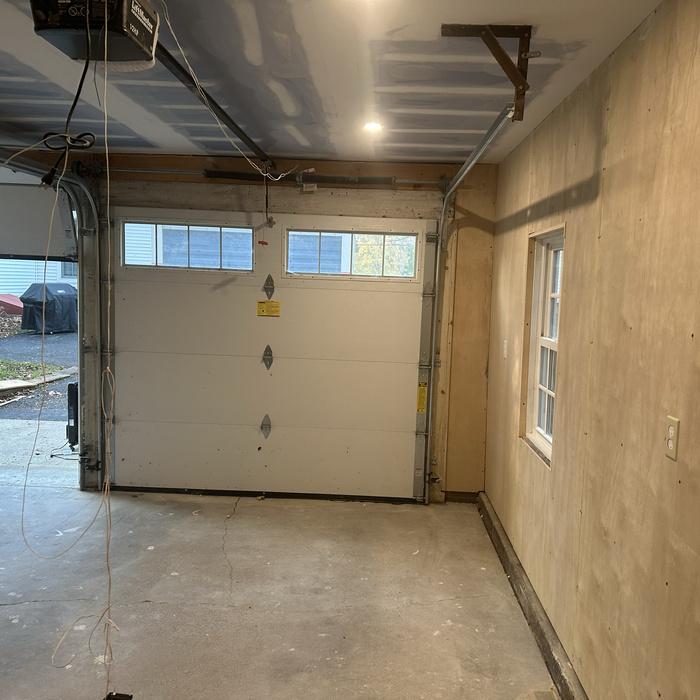
"Bill and his crew were efficient, knowledgeable and offered to caulk baseboards as well. I would happily show a photo of end product ( floor) but cannot figure out process. I highly recommend. ð . Also very friendly"
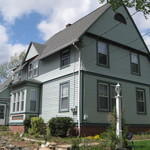
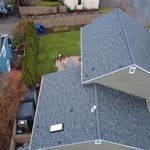
Traditional Home Exterior
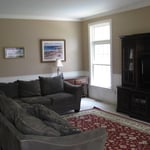
Interior Painting
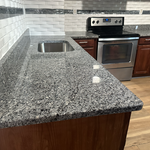
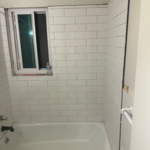
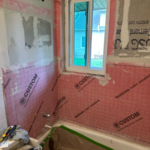
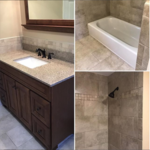
Bathroom Remodel/Makeover - Mason's Island
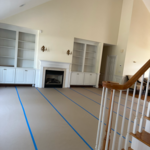
Interior painting - Mason's Island
 Home painting

+38

Response time1 day
14 neighbors recently requested a quote
Recommended by93%of homeowners
Avatar for Mr. Handyman of Norwich, New London and Glastonbury
Mr. Handyman of Norwich, New London and Glastonbury
5.0(
5
)
Drywall - Repair

Serving Gales Ferry, CT and surrounding areas

Approved

In business since 2007

Free estimates

Emergency services offered

Mr. Handyman is your one-stop shop for a wide range of home maintenance and repair solutions. Our service technicians are highly skilled craftsmen with over 10 years experience in the field. Each member of our team is an employee of Mr. Handyman, not a subcontractor. We can accommodate small projects like changing light bulbs, to larger projects like deck builds and interior renovations. Our technicians are skilled in a variety of craft from frame to finish. We hold a valid Home Improvement Contractor license, offering services such as drywall, flooring, carpentry, light electrical & plumbing, decking, framing, and many more. Our service technicians are background checked and drug tested. We are licensed, bonded, insured, and guarantee our work.

Additional Photos
Additional Photos
Additional Photos
Additional Photos
Additional Photos

+4

...
Showing 1-10 of 126
Drywall questions, answered by experts

The amount of drywall you need for a 1,000-square-foot basement depends on the ceiling height, angles, number of doors and windows, and more. To find the wall square footage, multiply the width and height of each wall, minus any gaps from windows or doors, and add the totals together. You’ll also need enough drywood nails or screws to install the drywall correctly.

Beadboard is a decorative element and lacks the structural integrity of drywall. It cannot hold much weight and is not meant to be used as an insulator or moisture barrier, like drywall is. In almost all cases, beadboard is placed over an existing wall surface which, in modern days, is usually drywall, but decades ago could have been wood paneling.

You can usually tell if you have plaster or drywall by touch (plaster is harder, colder, and smoother than drywall) or by tapping on it (drywall sounds hollow, plaster does not). If you still cannot tell, peek under an outlet cover and check the cut edges. The rough edges show the composition of the wall. You will see either drywall (two paper sheets sandwiching gypsum material) or only plaster material (no paper sheets).

Although they have similar applications, spackle and joint compound are not the same. Their primary differences lie in their composition, consistency, and ideal use cases.

Spackle is composed of gypsum and binding agents, making it thicker than joint compound. It dries quickly and is easy to sand, which makes it ideal for small wall repair projects like filling nail holes or patching minor damage.

Joint compound, also known as drywall mud, consists of limestone and gypsum. It is primarily used for large-scale projects, such as taping and finishing the seams on newly installed drywall. It tends to shrink more than spackle and can be more difficult to spread.

While both products can be used to fill small depressions and cracks, spackle cannot replace joint compound for taping and mudding new drywall. Conversely, you can often use joint compound for small patching jobs typically done with spackle.

Wet-sanding and dry-sanding each have pros and cons. Dry-sanding is less messy, so it’s a good option if you’re trying to minimize dust (for example, if you’re sanding an occupied home or working with particularly dry or dusty drywall mud). However, dry-sanding is quicker because you don’t have to keep rinsing a sponge or wait for it to dry before painting.

The Gales Ferry, CT homeowners’ guide to drywall services

From average costs to expert advice, get all the answers you need to get your job done.