






Top-rated movers.

Get matched with top movers in Stonington, CT

Enter your zip and get matched with up to 5 pros

Need a pro for your moving project in Stonington, CT?

Select your specific project to find the pro for you.

TRUSTED BY STONINGTON, CT HOMEOWNERS

  • Average homeowner rating star icon4.4
    Average homeowner rating
  • Verified reviews icon75
    Verified moving services reviews

Find Movers in Stonington

Avatar for All My Sons Moving & Storage

All My Sons Moving & Storage
4.4(
64
)
Moving In-State

Serving Stonington, CT and surrounding areas

Approved (Corporate)

In business since 1992

Free estimates

Credit card accepted

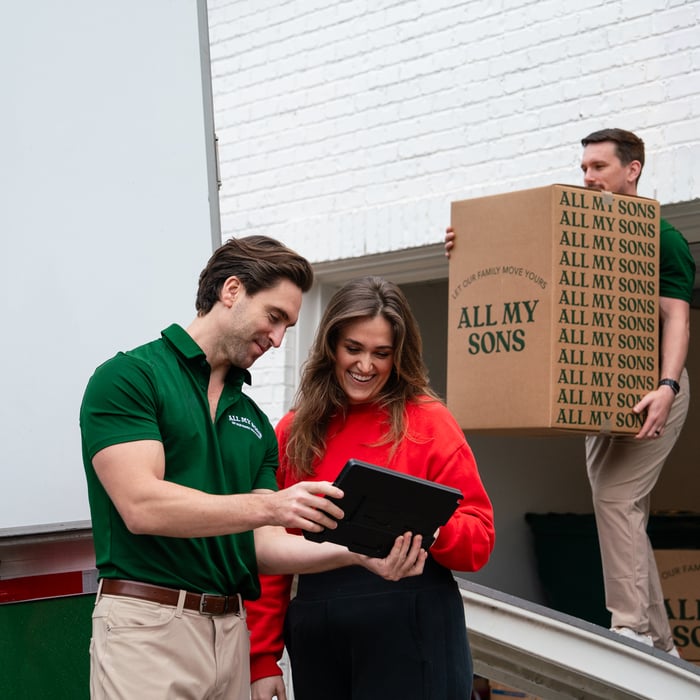
"The two moving persons were incredibly diligent and knowledgeable as well as very personable. Made my move easy and timely! They had a truck and all the equipment to move heavy items and wrapped furniture with their blankets. Highly recommend !"
All My Sons
All My Sons
All My Sons
All My Sons
All My Sons

+4

Response time9 hrs
Response rate100%
204 neighbors recently requested a quote
Avatar for OM Van Lines
OM Van Lines
5.0(
8
)
Moving Out-of-State

Serving Stonington, CT and surrounding areas

Approved

In business since 2020

Free estimates

Emergency services offered

"I was in search for movers to help me and my family move to NC. I didn't feel like doing the move myself this time around and sure I found this company OM Van Lines last minute. I was offered a great deal to get my move done and it wasn't as expensive as I thought I was going to be. My wife and family are happy and just wanted to say thank you guys. You guys made this a very pleasant experience. Highly recommend."
moving
moving
Project Photos
Project Photos
Project Photos

+2

350 neighbors recently requested a quote
Avatar for Moveking, LLC
Moveking, LLC
3.4(
19
)
Moving Out-of-State

Serving Stonington, CT and surrounding areas

Approved

In business since 2024

Free estimates

Credit card accepted

Moveking, LLC has 13 years of moving experience and is committed to excellence in every aspect of our business. We uphold a standard of integrity bound by fairness, honesty, and personal responsibility. Our distinction is the quality of service we bring to our customers. Accurate knowledge of our trade combined with ability is what makes us true professionals. Above all, we are watchful of our customers' interests, and make their concerns the basis of our business.\n

1 neighbors recently requested a quote
...
Showing 1-10 of 105
Moving questions, answered by experts

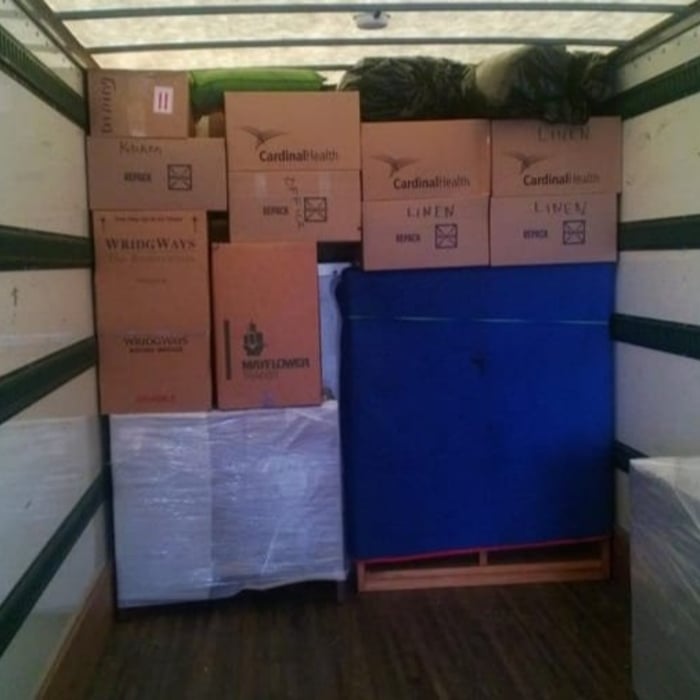
When loading a moving truck, the general rule is to load the heaviest and largest items first to create a stable base at the front of the truck, which helps balance the weight. You can start with large furniture like sofas, beds, mattresses, and tables to form a solid foundation, or begin by placing your heaviest boxes against the truck's walls to create a base layer. After the base is set, continue loading other large items like appliances and square furniture. Lighter and smaller objects, including most of your boxes, should be loaded last. They can be packed into gaps, around, and on top of the heavier items to maximize space. Following this order makes unloading easier and helps prevent damage to your belongings.

To treat office moving costs as capital expenses, which means recording them as assets, they must meet certain rules: they need to be essential for the business to keep running, directly related to the move, reasonable, and documented properly with invoices and contracts. These costs can include packing, transportation, and setting up the new office. Once these expenses are capitalized, they're treated like assets on the books and gradually accounted for over time through depreciation or amortization.

If you are hiring professional movers, their company will handle any permits and similar arrangements. But if you are renting a truck to move yourself, you may have to pay permits when moving across state lines or away from a specific city or town. Research your move and its requirements as you plan. Most states, cities, and even rental companies offer useful information about what permits you may need.

Building a house is generally more expensive upfront than moving an existing one. However, the total cost depends on factors such as location, size, materials, labor, and permits. Moving a house can incur significant expenses for transportation, permits, site preparation, and renovations. On the other hand, building a new house allows for customization and may have lower long-term maintenance costs.

Once you complete the moving process, you’ll have to transition into paying for your new living expenses, including monthly rent or mortgage payments. You should also consider the cost of property taxes, utilities, and new furnishings for your home.

The Stonington, CT homeowners’ guide to moving services

From average costs to expert advice, get all the answers you need to get your job done.