



Top-rated tree service pros.

Get matched with top tree service pros in Stonington, CT

Enter your zip and get matched with up to 5 pros

Need a pro for your tree service project in Stonington, CT?

Select your specific project to find the pro for you.

TRUSTED BY STONINGTON, CT HOMEOWNERS

  • Average homeowner rating star icon4.6
    Average homeowner rating
  • Verified reviews icon308
    Verified tree services reviews

Find Tree service pros in Stonington

Avatar for Dynamic tree works
Dynamic tree works
4.6(
25
)
Tree RemovalTree Removal - For Business

Serving Stonington, CT and surrounding areas

Approved

In business since 2024

Free estimates

Emergency services offered

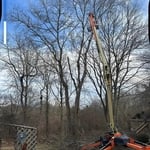
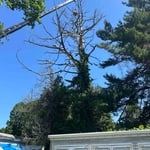
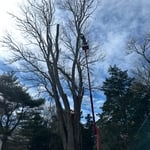
"They were great guys. They called me back within minutes and then showed up and did the job 2 hours after I made the call. They clean up everything great and did the job super safe. I would highly recommended them for any tree service you need"
Tree removal
Tree removal
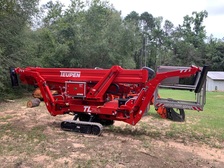
Tree removal crane day
Full removal
35 neighbors recently requested a quote
Recommended by54%of homeowners
Avatar for Falcone Landscape Design & Maintenance
Falcone Landscape Design & Maintenance
5.0(
11
)
Tree Removal

Serving Stonington, CT and surrounding areas

Approved

Super Service Award Winner

In business since 2023

Free estimates

Small jobs welcome

"Ryan was on time and completed the job exactly as expected. Cleaned up the area and removed all debris. I would highly recommend him and his staff for any of your landscaping or tree removal services. Very professional, friendly, knowledgeable and the price is very reasonable."
My Work
My Work
My Work
My Work
My Work

+70

Response time9 hrs
Response rate86%
24 neighbors recently requested a quote
...
Showing 1-10 of 71
Tree Service questions, answered by experts

Some fast-acting products can rot a tree stump in four to six weeks. Keep in mind, these products contain harsh chemicals that may prevent regrowth in the area. Other products, like fertilizer that contains lots of nitrogen, can enhance the process and rot a stump in about a year. (This is compared to the ten years it can take naturally for a stump to rot.)

There are a few general rules to follow that will help you prune your trees correctly. One of the most important rules is to prune during the correct season for the type of tree you have. Typically, pruning should be during late winter. For younger trees, you should not remove more than a ⅓ of the tree's crown when pruning. Also, remember to remove dead and diseased branches first, then proceed with pruning the rest of the tree.

It is possible to cut down a tree on your property yourself, but it is generally not recommended unless specific conditions are met. You should only consider this project if the tree is small (e.g., under 4-5 inches in diameter and short enough that you don't need a ladder to reach the branches), and you are experienced in handling a chainsaw. The tree must also be located far from any power lines, fences, homes, or other structures. Even for small trees, the work can be dangerous, and it's always advisable to have a spotter to ensure the tree falls correctly and no branches fall on you.

For any tree that is large, requires a ladder to access, or is near electrical lines or structures, you should always hire a professional. Attempting to remove a large tree yourself is extremely dangerous, poses a risk of serious injury, and could result in significant damage to your property.

Before any tree removal, it's also important to check your local and state regulations to ensure the tree is not historic or otherwise protected by your city.

Generally, you should prune around 20% of an apple tree’s growth—and never more than 30%. This means that if you have a severely overgrown tree, it can take a few seasons to prune it back enough to produce the healthiest fruit. 

If you’re dealing with a newly planted or juvenile tree, hold off on pruning beyond the initial shaping. Wait at least a couple of seasons into fruit production since pruning can increase the number of water sprouts and unproductive foliage.

Palm tree stumps can take as long as seven to ten years to rot naturally. Whereas some tree stumps rot within a year, palm trees tend to last longer due to their deep root networks. Chemical rotting (described above) can help speed the process up so your palm tree stumps rot in under two months.

The Stonington, CT homeowners’ guide to tree services

From average costs to expert advice, get all the answers you need to get your job done.