







Top-rated fire pit installation pros.

Get matched with top fire pit installation pros in Monroe, CT

Enter your zip and get matched with up to 5 pros

Need a pro for your fire pit installation project in Monroe, CT?

Select your specific project to find the pro for you.

TRUSTED BY MONROE, CT HOMEOWNERS

  • Average homeowner rating star icon4.5
    Average homeowner rating
  • Verified reviews icon475
    Verified fire pit installation services reviews

Find Fire pit installation pros in Monroe

Fire Pit Installation questions, answered by experts

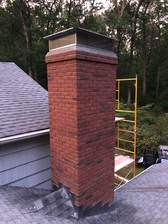
Chimney caps are necessary both from a building safety standpoint in most municipalities and to keep your home protected from a variety of issues. Chimney caps are not only mandated by building code in most areas, but they also serve to keep squirrels, raccoons, and other pests out of your home, as well as snow and rain. Therefore, they help to avoid property damage, making them a worthwhile investment.

When a carbon monoxide alarm goes off, you should always take it seriously. Infrequent and occasional chirps often point to a low battery, a faulty device, or dust buildup (this usually affects smoke detectors and not standalone CO detectors). A continuous alarm signals an emergency, and you should immediately evacuate and call 911. When it comes to carbon monoxide in your home, it’s better safe than sorry.

According to the National Fire Prevention Association (NFPA), the leading cause of house fires is cooking accidents, followed by fires started by heating equipment. Electrical issues are the third most common cause of house fires. The best way to keep your home protected is to use caution when cooking and never leave a stove or oven unattended while in use. You can also keep up with chimney cleaning and avoid using space heaters to reduce the risk.
Yes, a water leak poses a major fire risk at your home because water is a conductor of electricity. Water that comes into contact with sparks or electrical wires can instantly ignite flammable materials. Additionally, any type of exposure to water can cause wires and other electrical components within your home to corrode. When assessing categories of water damage, it's important to know that even a small amount of moisture near wiring could cause sparks that lead to a fire.

You should never block both the top and bottom of your chimney. Proper airflow is essential because the temperature inside the chimney will still fluctuate as your house warms and cools. Moisture can build up without ventilation, leading to dampness in your walls over time. Blocking the top prevents debris and animals from entering, but the chimney still needs air circulation to avoid condensation issues. Allowing the chimney to breathe maintains the health of your home and prevents long-term damage.

The Monroe, CT homeowners’ guide to fire pit installation services

From average costs to expert advice, get all the answers you need to get your job done.