
Top-rated arborists.

Best arborists near Monroe, CT

Enter your zip and get matched with up to 5 pros

Need a pro for your arboricultural service project in Monroe, CT?

Select your specific project to find the pro for you.

TRUSTED BY MONROE, CT HOMEOWNERS

  • Average homeowner rating star icon4.6
    Average homeowner rating
  • Verified reviews icon976
    Verified arboricultural services reviews

Top-Rated Arborists in Monroe - Updated Nov 2026

Avatar for Arbor Doc
Arbor Doc
5.0(
10
)
Trees & Shrubs - Treat, Protect and MaintainTrees & Shrubs - Treat, Protect and Maintain - For Business

Serving Monroe, CT and surrounding areas

Approved

In business since 2025

Free estimates

Warranties offered

"I needed invasive vines and poison ivy removed from areas around my property.Matt went over the whole job with me and explained the way he would do it and assured me about the safety of his method. He even noticed something that needed to be be treated on a magnolia in my yard. He arrived the next day and did the job quickly and thoroughly. Hi price was more than fair. The fact that he was a licensed arborist and had other certifications was doubly ressuring."
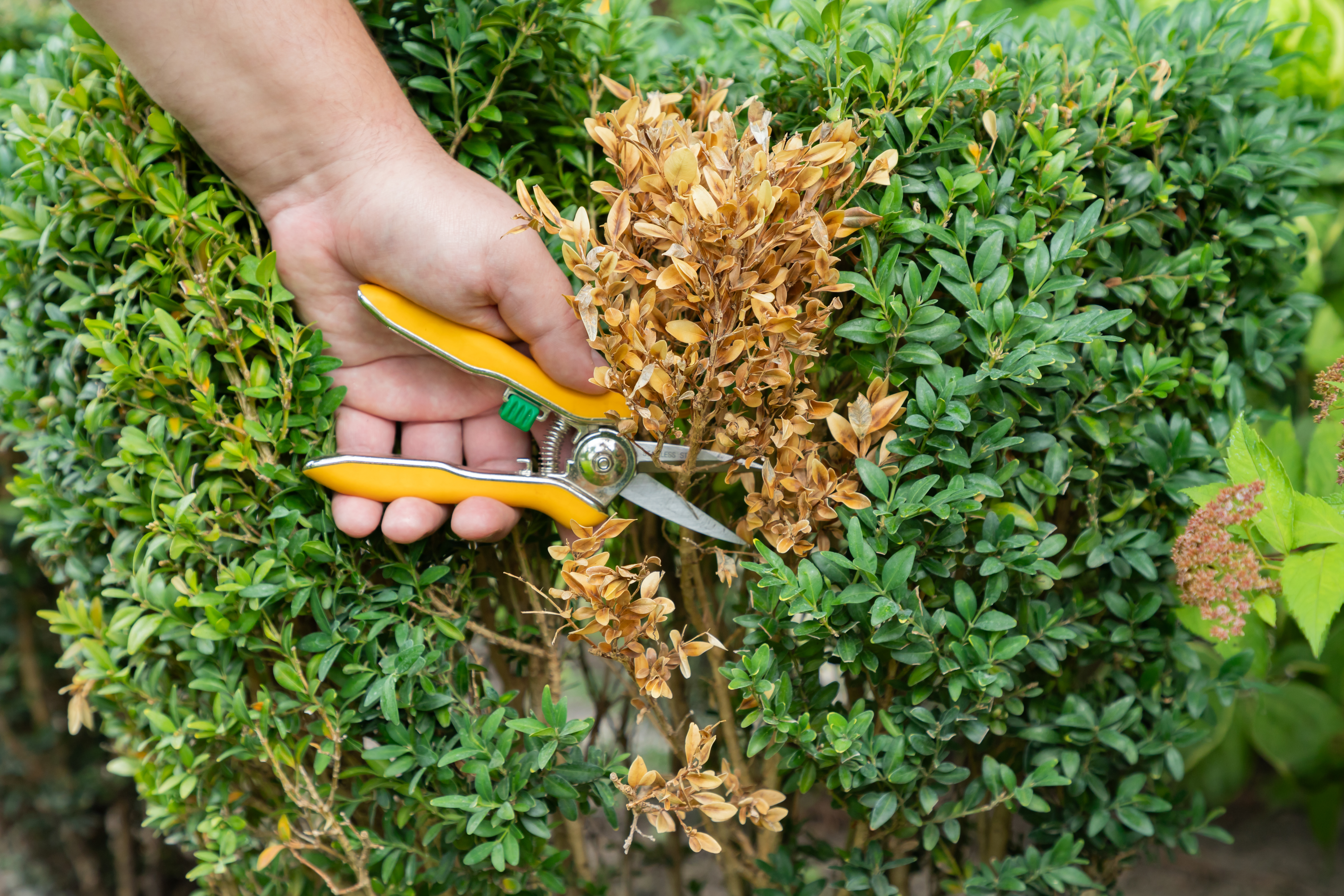
Hedge Trimming
Hedge Trimming
Hedge Trimming
Response time10 hrs
Response rate100%
7 neighbors recently requested a quote
Avatar for Stump Chompers
Stump Chompers
4.9(
33
)
Tree Stump - RemoveTree Stump - Remove - For Business

Serving Monroe, CT and surrounding areas

Approved

In business since 2009

Free estimates

Customers say: Quality work

"Don was very pleasant to work with and was easy to contact. He was available on weekends to discuss the job and various options, and then I felt comfortable with him going to the property at a later date. They have a wide array of machine options so can handle a lot of jobs."
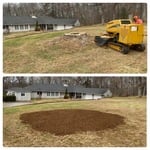
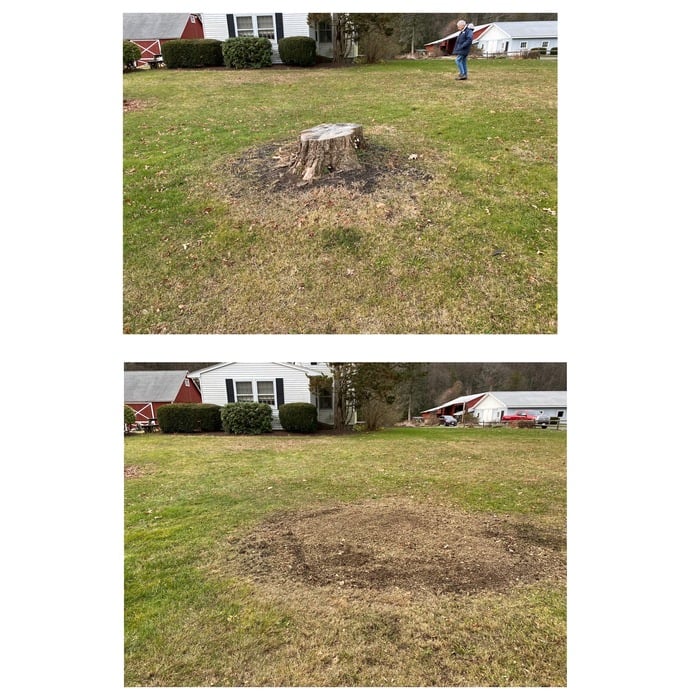
Our work
Our work
Our work
Our work
Our work

+2

Response time2 days
Recommended by100%of homeowners
Avatar for JJT landscaping
JJT landscaping
4.7(
14
)
Tree RemovalTree Removal - For BusinessTree Stump - Remove+1 more

Serving Monroe, CT and surrounding areas

Approved

Super Service Award Winner

In business since 2023

Free estimates

Emergency services offered

"Honestly, Reliable and fantastic Work Ethic Contracted for weekly grass mowing and Spring and Fall Cleanup. The relationship grew to installing patio, wall and other outdoor projects. Highly recommend. I’m very picky and they met all expectations!"
Additional Photos
Additional Photos
Additional Photos
Additional Photos
Additional Photos

+4

2 neighbors recently requested a quote
Recommended by92%of homeowners
...
Showing 1-10 of 298
Arborists FAQs, answered by experts

If you don’t cut down a dead, dying, or diseased tree, it can become a nesting place for pests like mosquitos, bees, beetles, wasps, fly larvae, and more. Some pests will live in the tree, while others will feed off the decaying wood. Unhealthy trees are also more likely to fall over, potentially injuring people and causing damage to your property.

DIY home gardening can be relaxing, joyful, and cost-effective. From mowing your lawn to planting your own flower beds, there is a wide variety of gardening tasks that you can do yourself to make your yard look beautiful. If you’d rather spend your time not in the dirt, or if you’d like someone to take care of your plants for you, calling a professional gardening service is best. They can give you a workup of what services you’ll need and how often to schedule them.

Completely topping a plum tree is a risky business. Cut too much, and you’ll kill your tree. That said, you do need to trim the top of your tree to encourage bushy growth, maintain your tree’s vase shape, and limit size. 

A plum tree's central leader (or trunk) should never extend more than 3 feet above the highest branch. When you first plant your tree, cut the central leader so it’s 2 to 3 feet tall. As it grows, cut it back 12 to 20 inches until it reaches its desired height. Never prune more than one-third of the new growth.

Some trees will bounce back just fine, and others will struggle and possibly die. Evergreens, for instance, have a very difficult time recovering after droughts and usually die after periods of extreme dryness. Usually, you’ll have to just wait and see—if the drought occurs in wintertime, it’s possible that your tree will recover during the gentler springtime.

In most cases, your neighbor is responsible for roots from their tree that cause damage to your property. If your pavement, the foundation of your home, or a fence is damaged by roots from a neighbor’s tree, you likely will have legal recourse for financial relief. While it’s better to notify your neighbor of any problems you notice as soon as they arise to avoid costly damage, there are some instances where filing a civil suit is your only recourse. Your homeowner’s insurance company might wish to do so on your behalf if you file a claim.

The Monroe, CT homeowners’ guide to arboricultural services

From average costs to expert advice, get all the answers you need to get your job done.